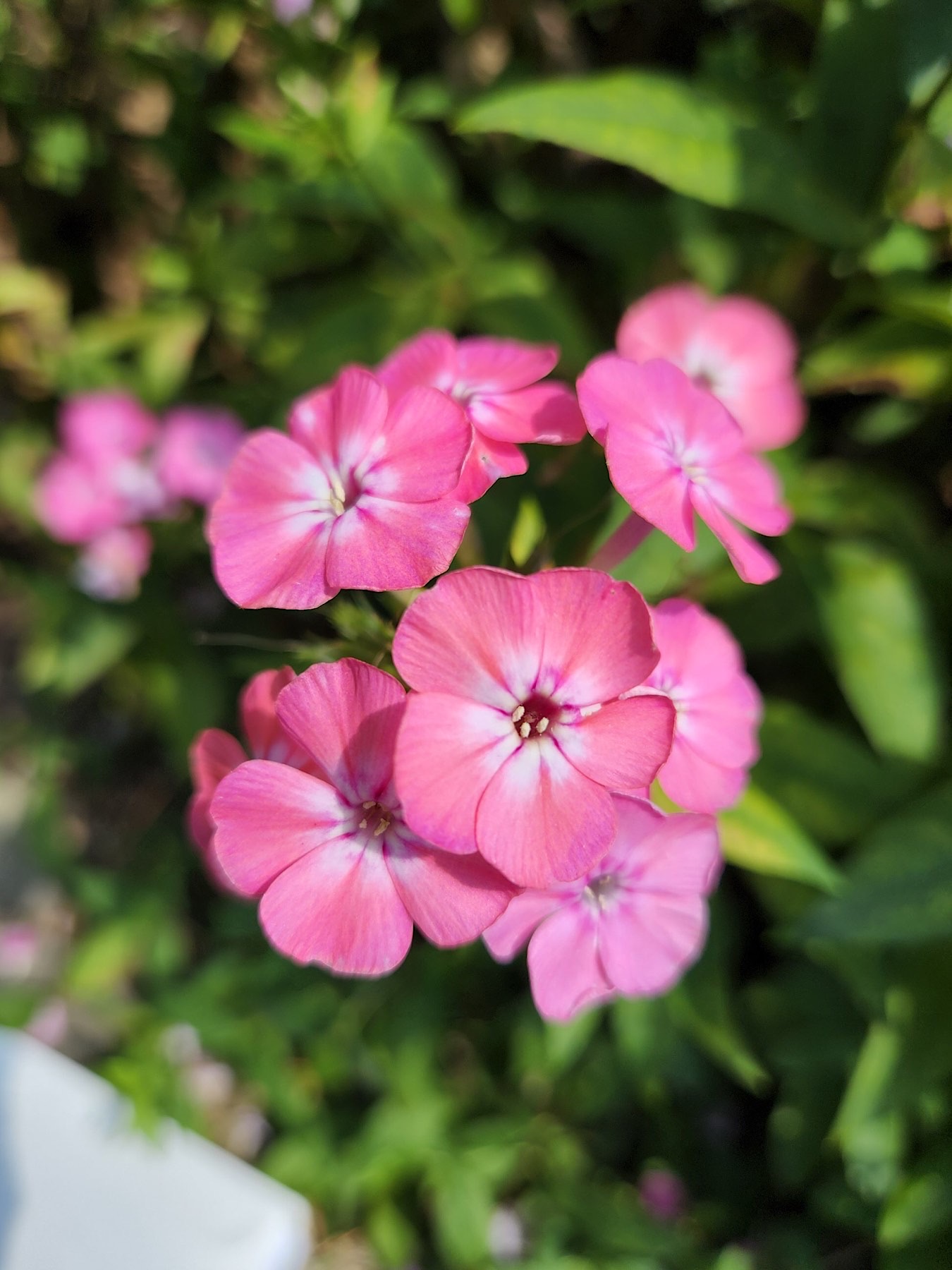
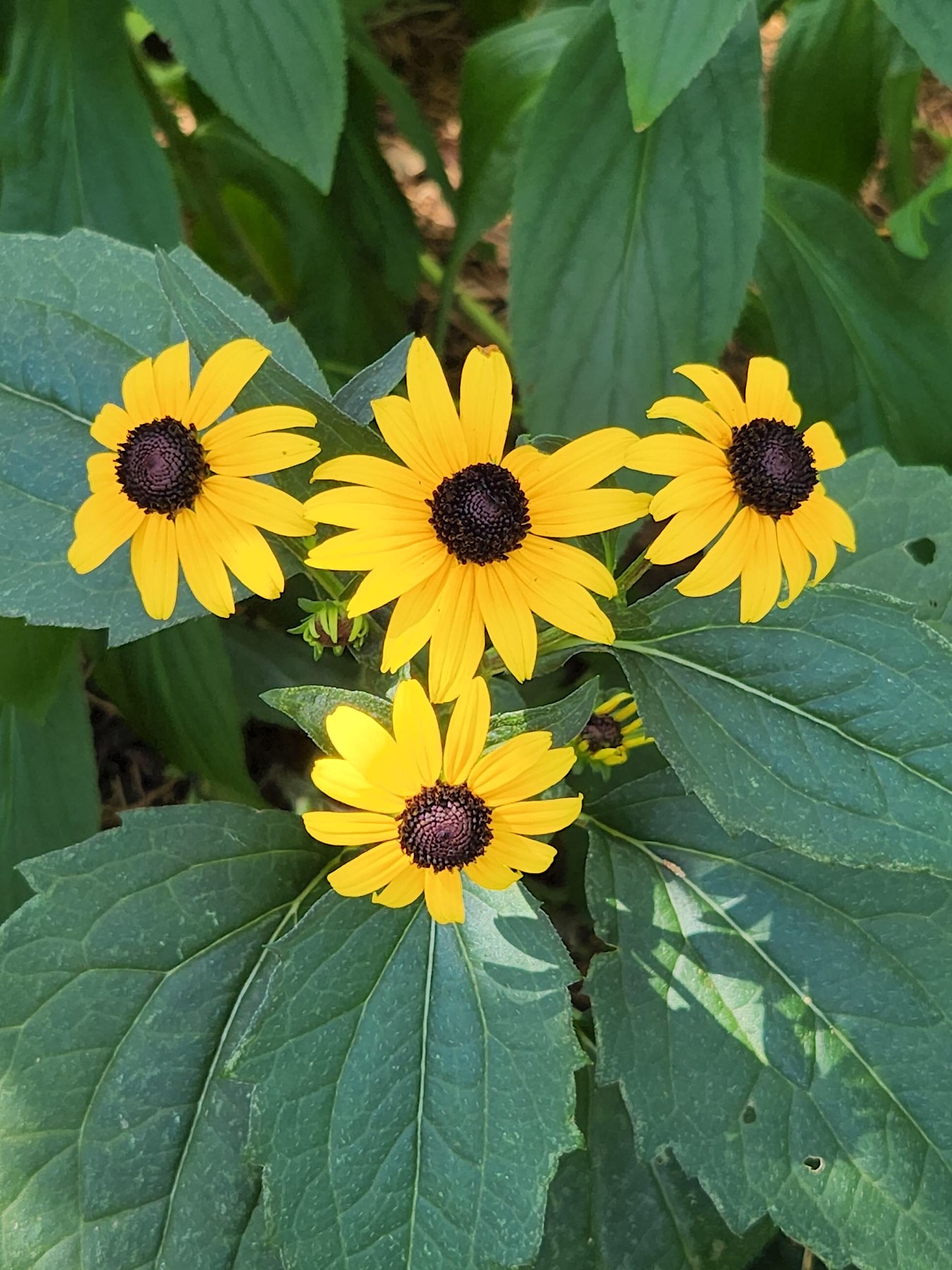
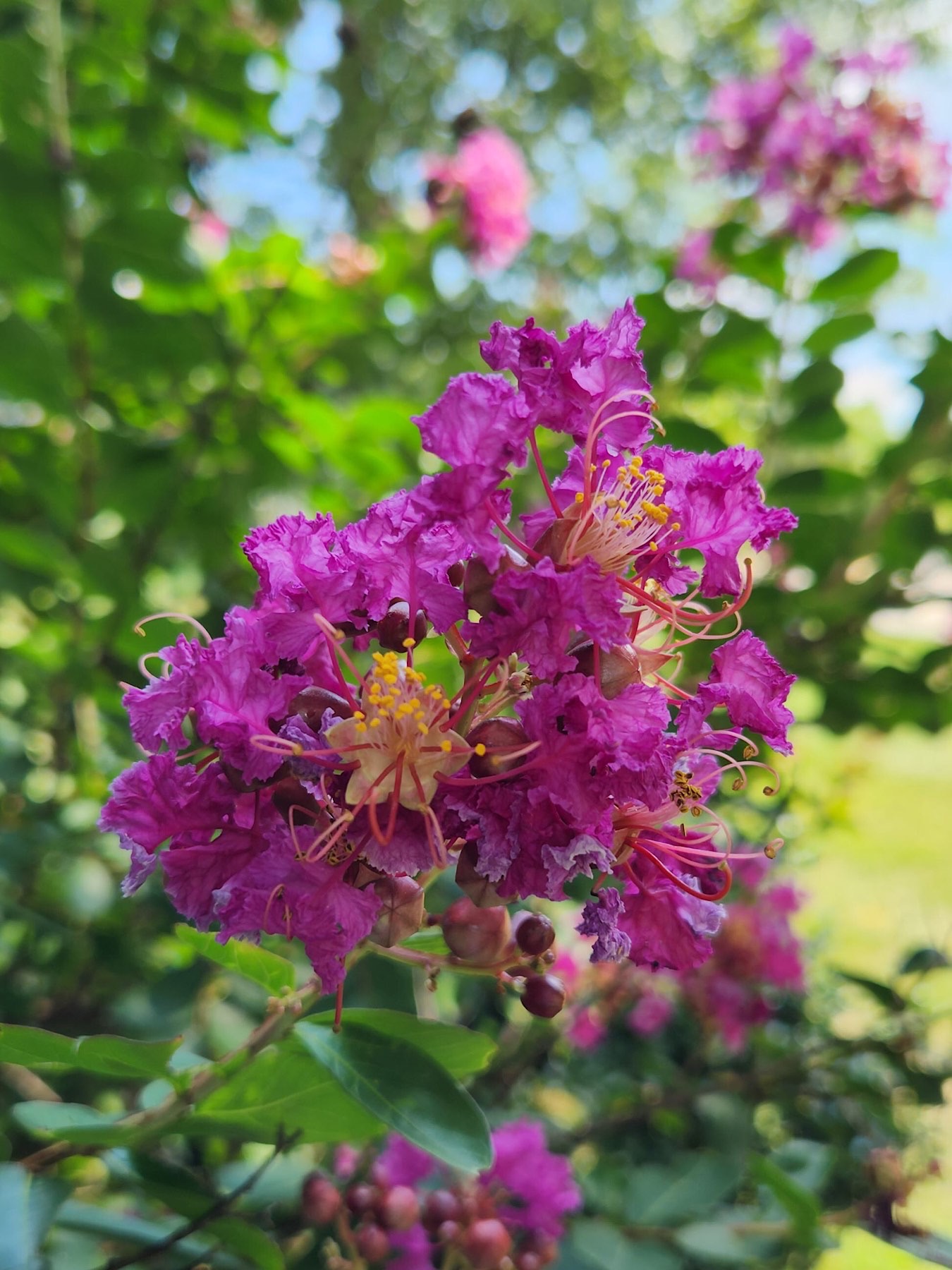
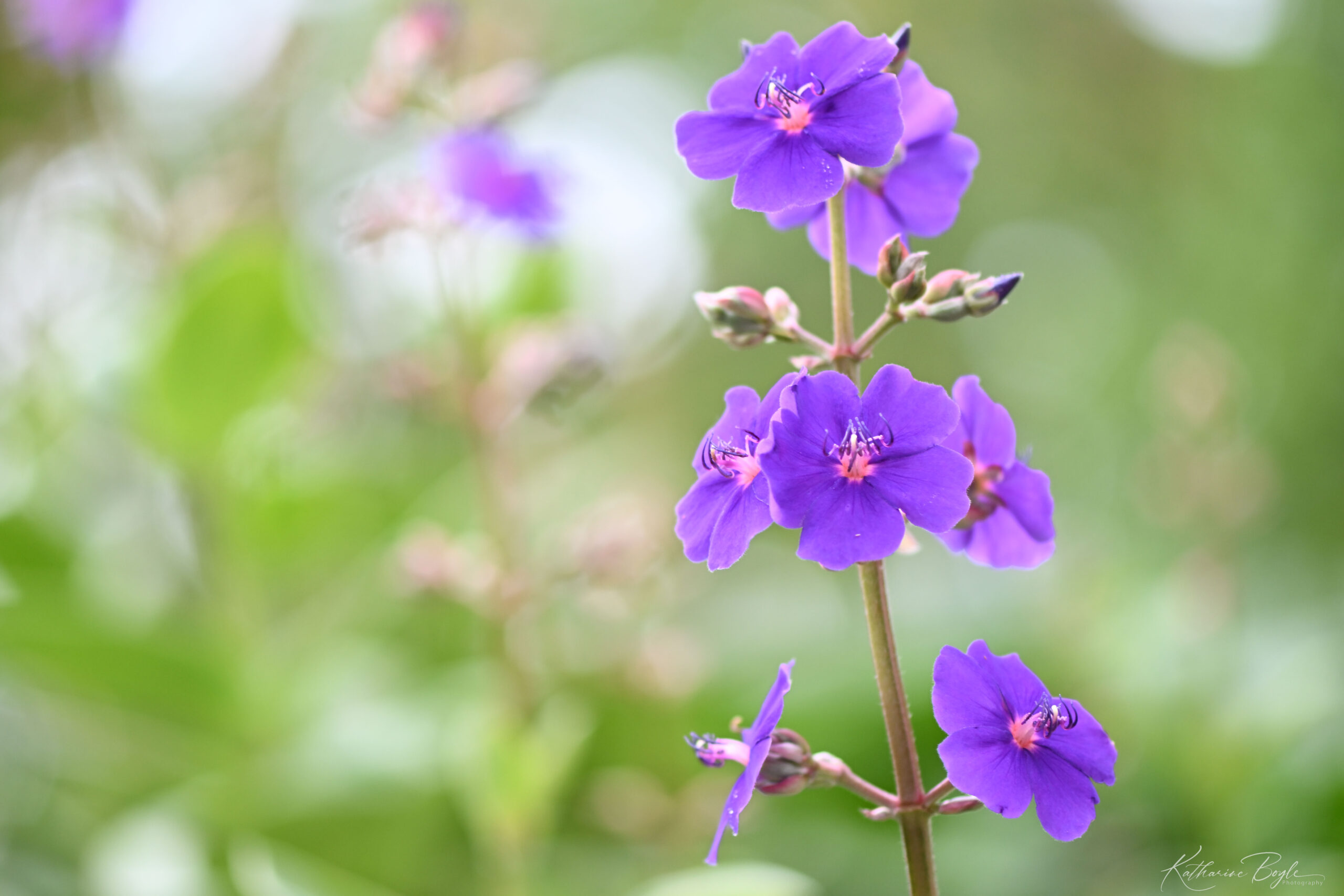

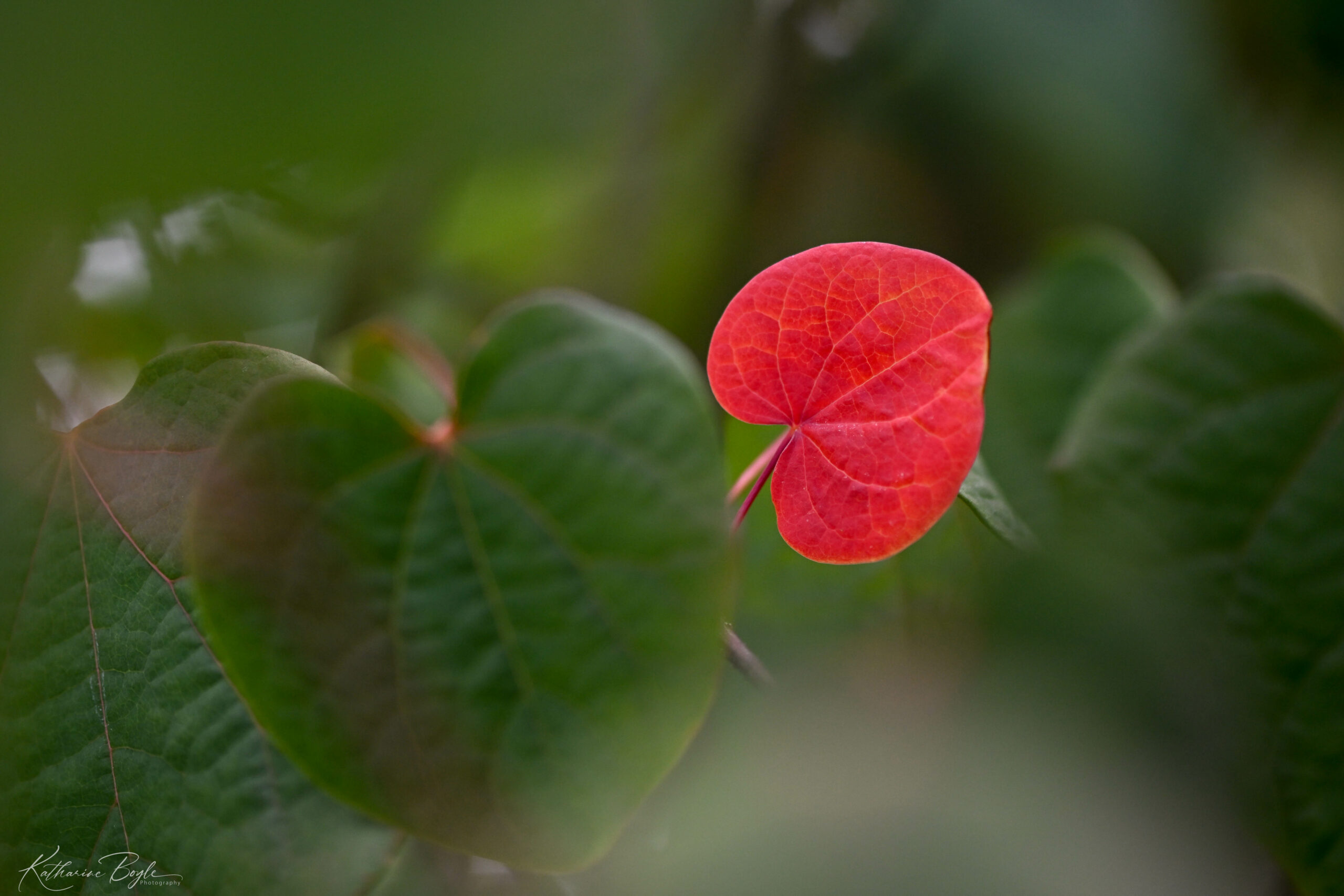
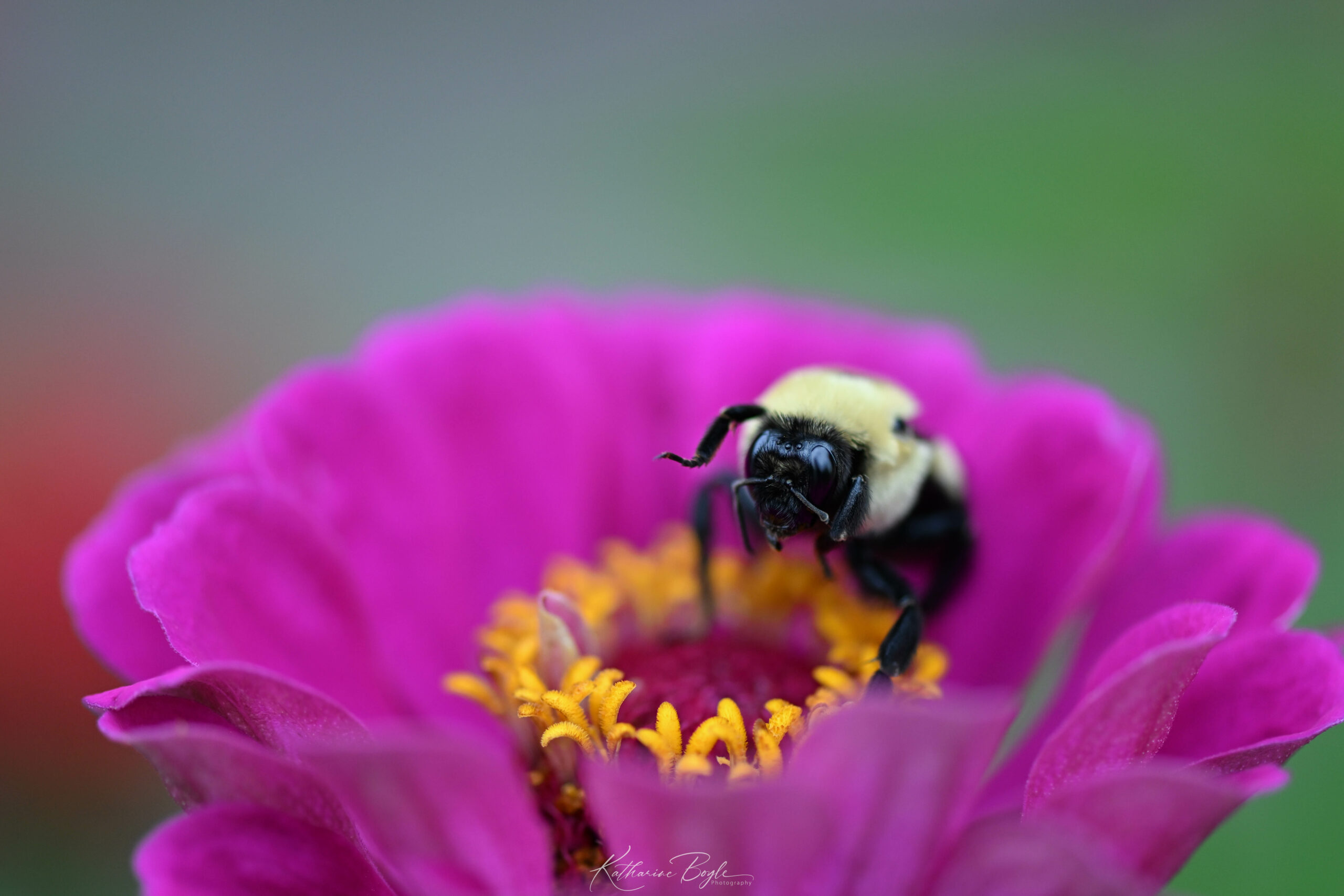
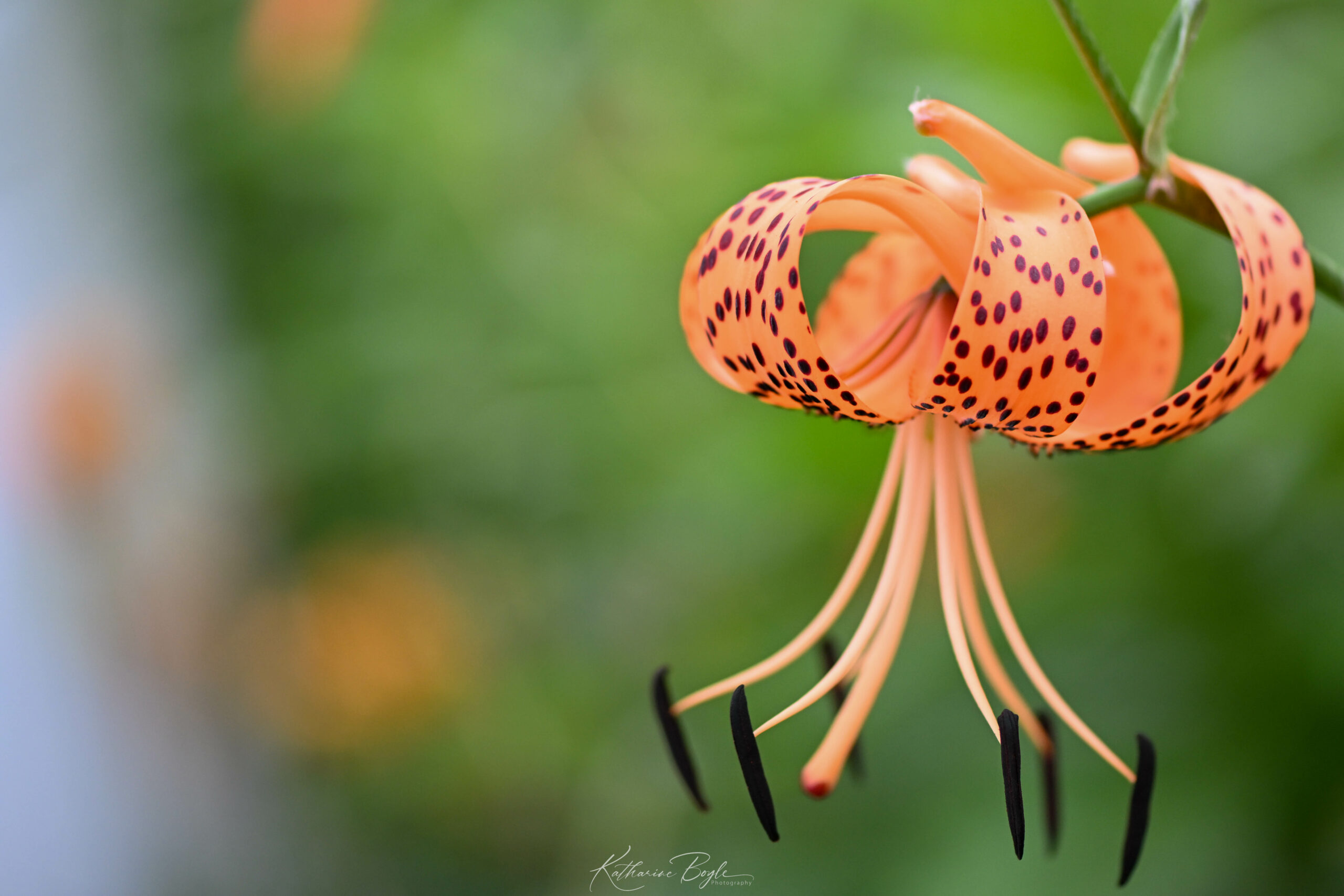
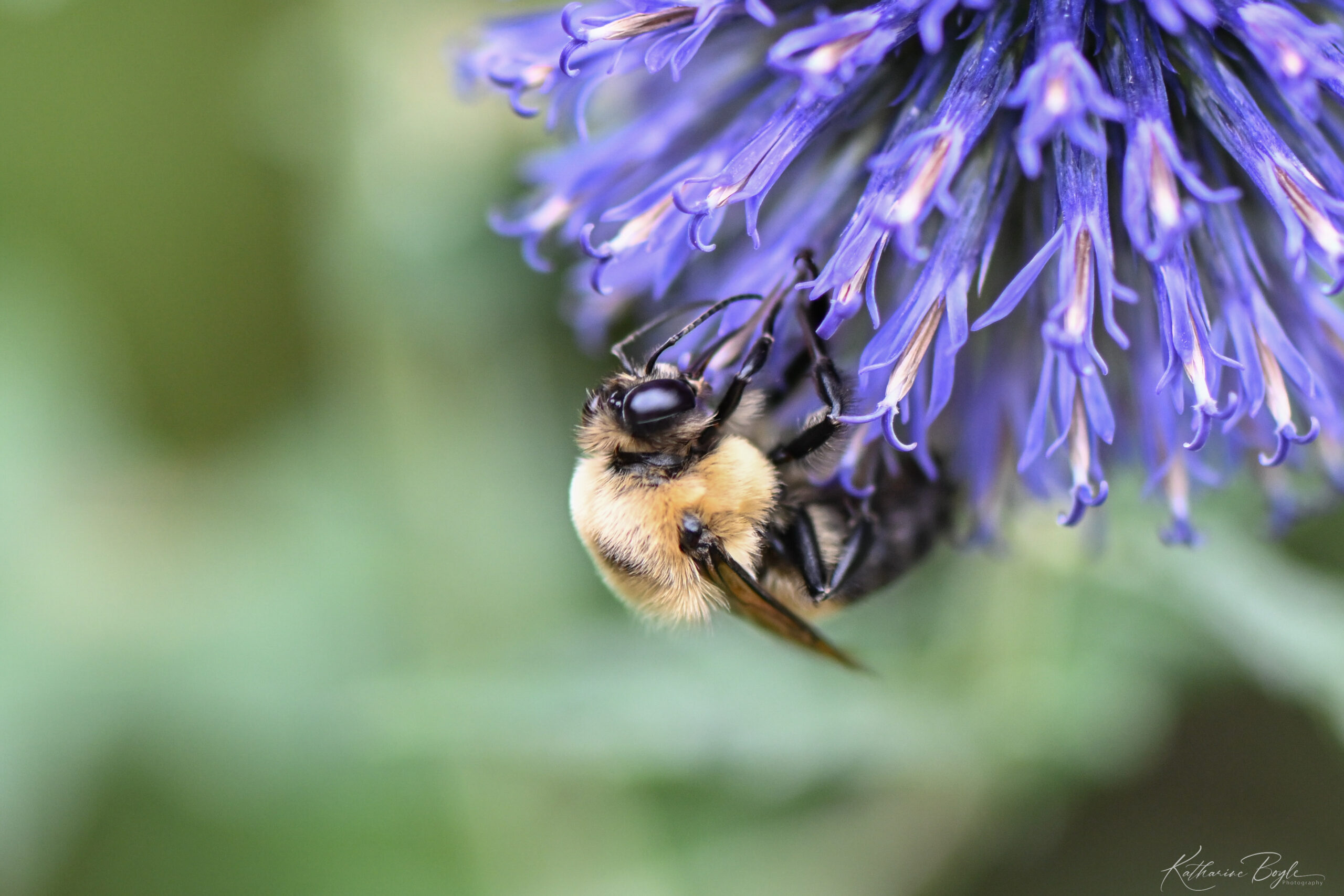
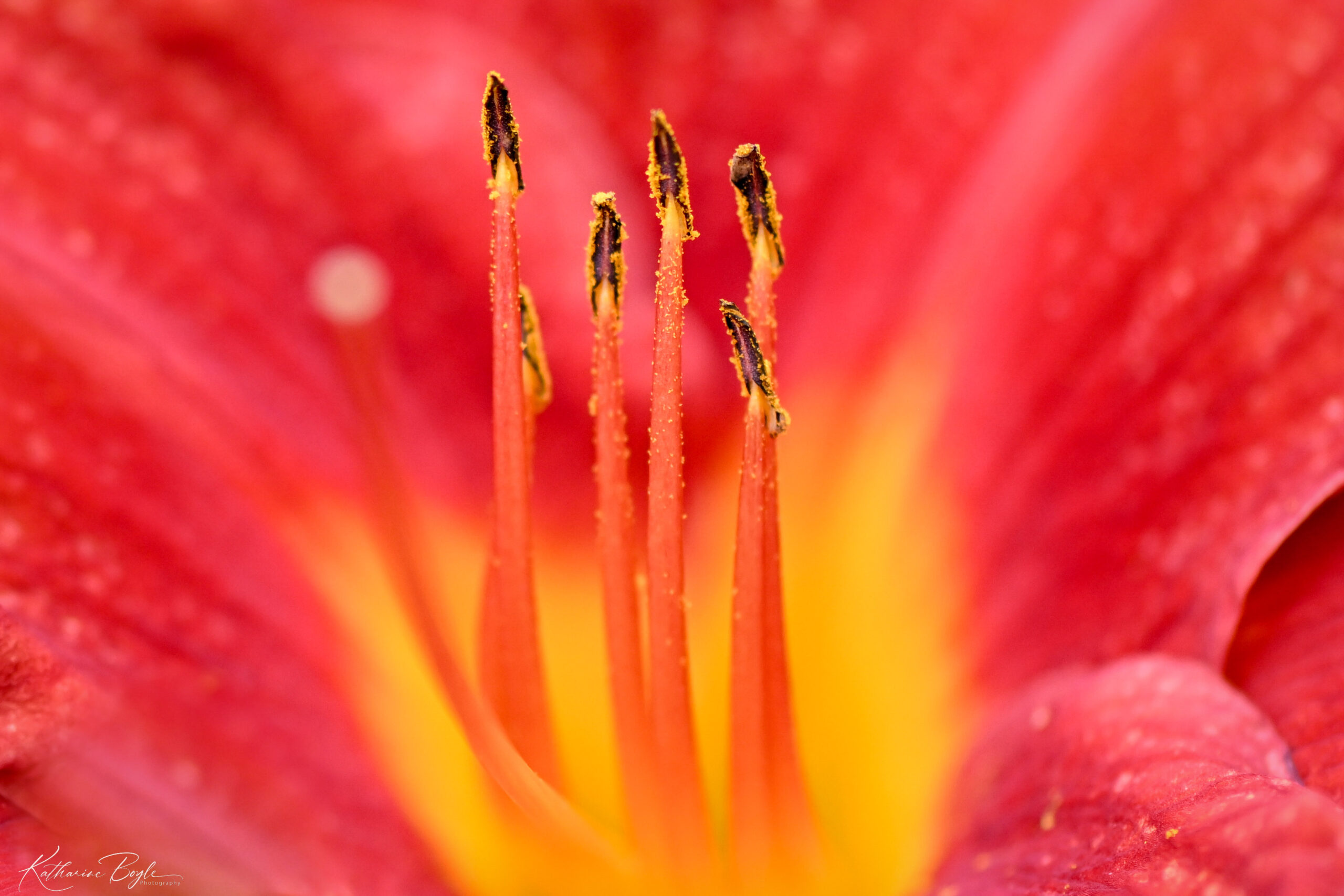
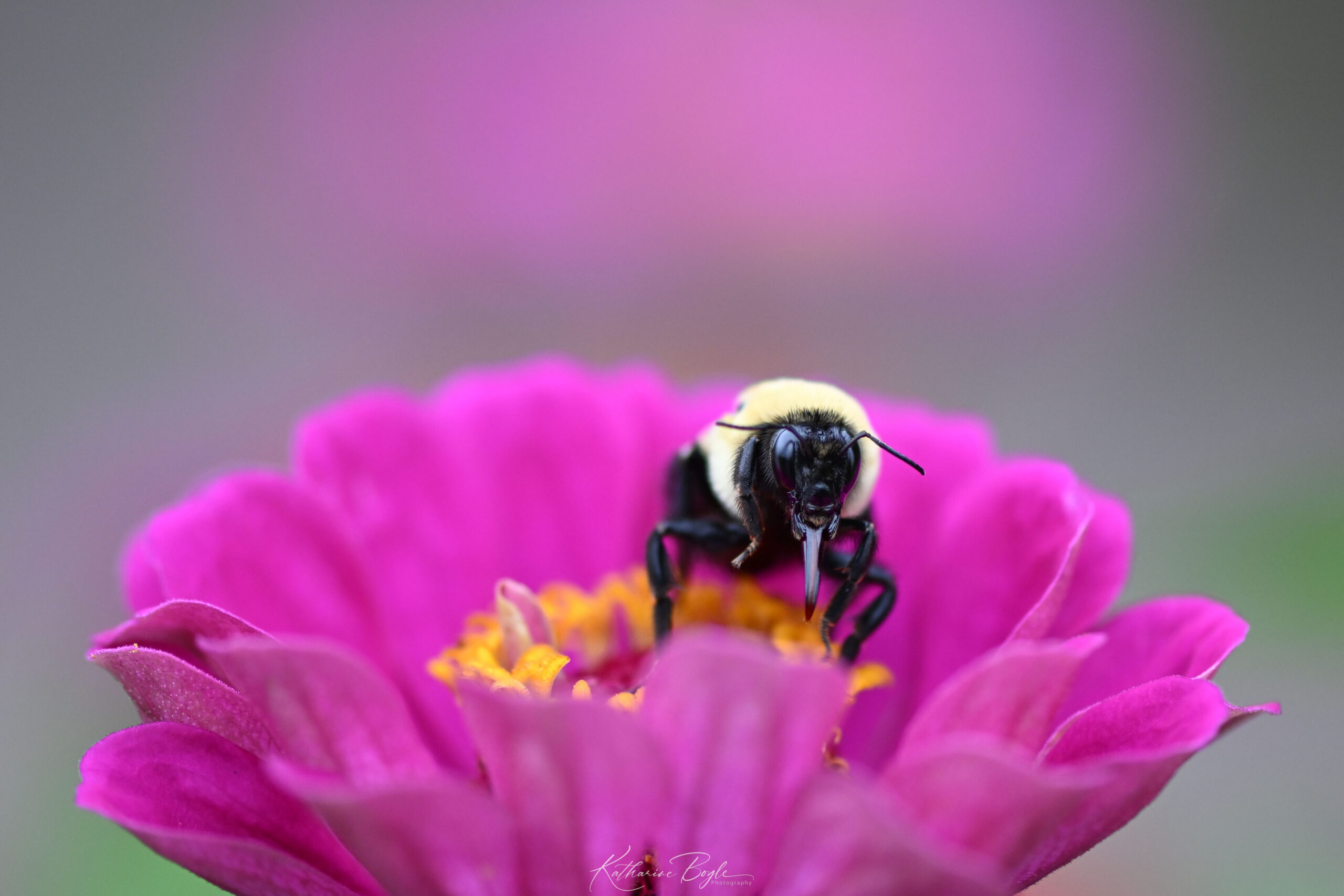
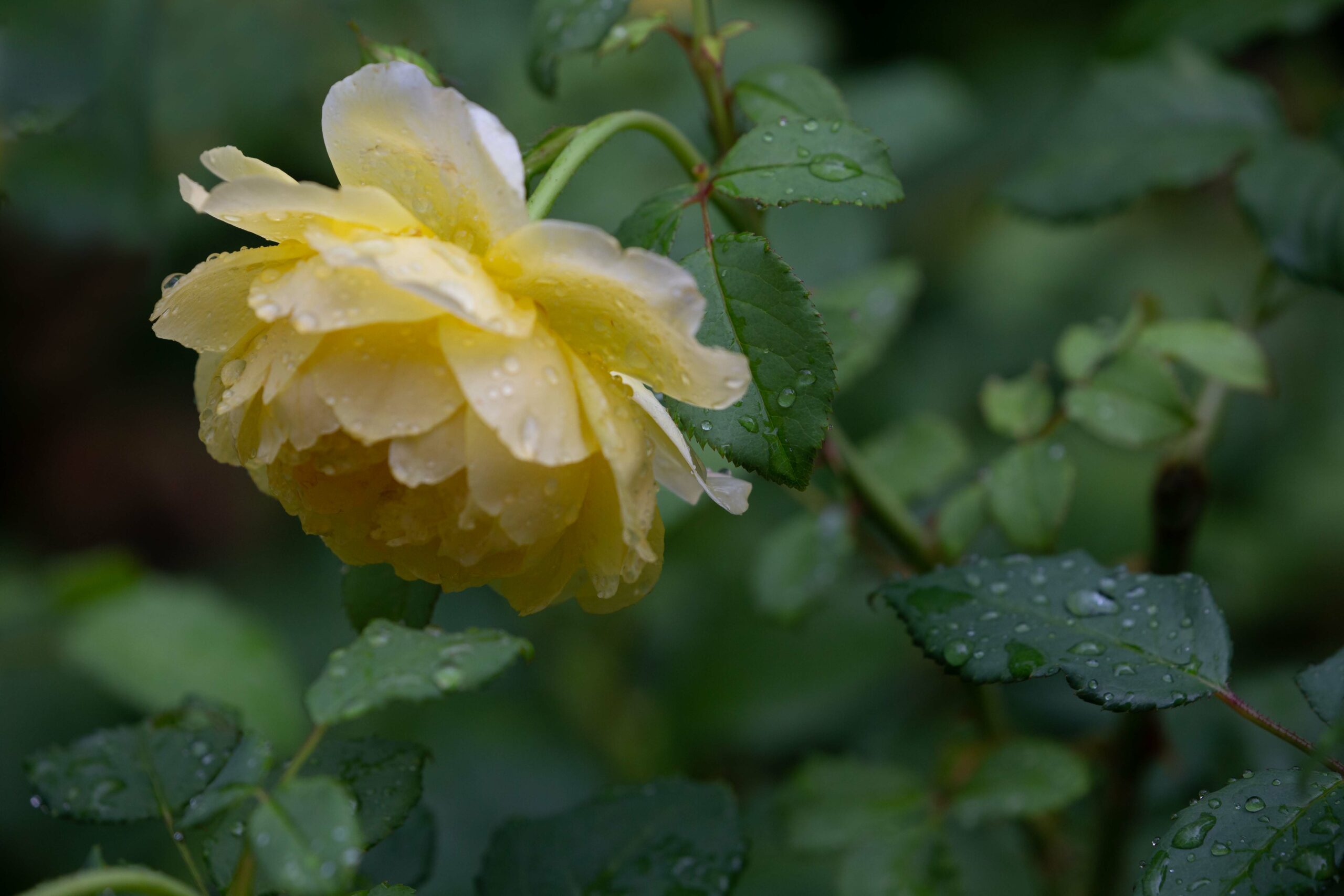
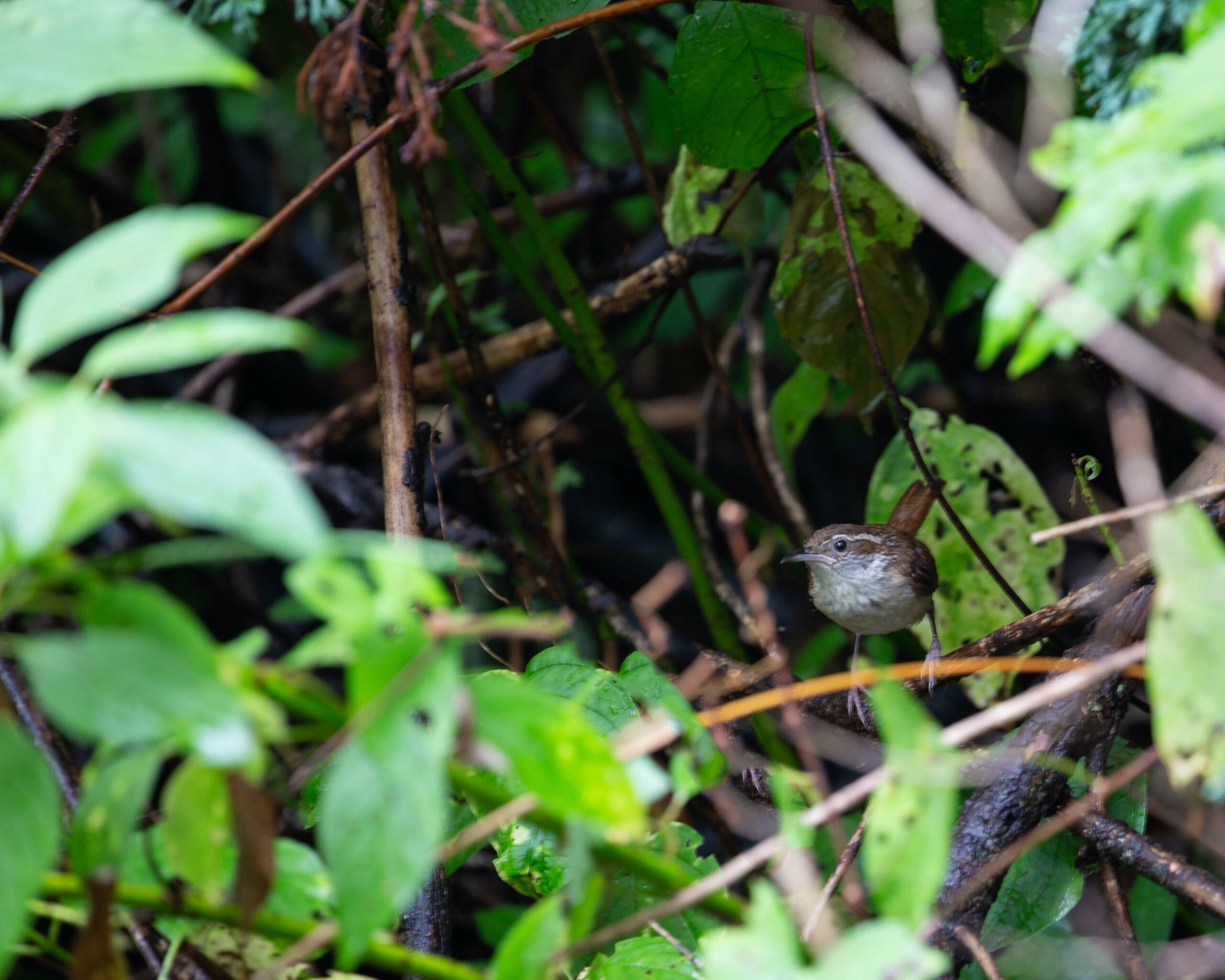
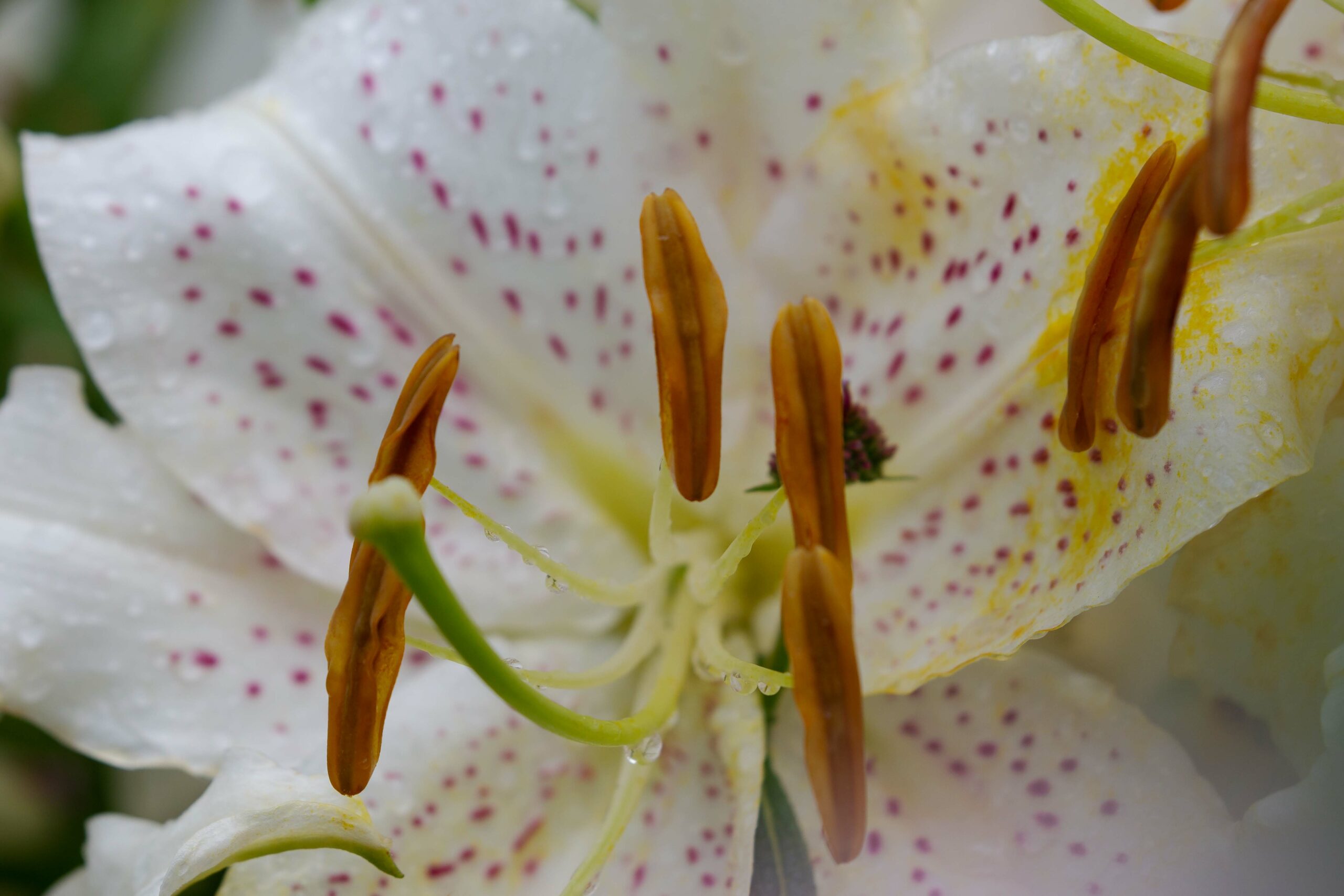
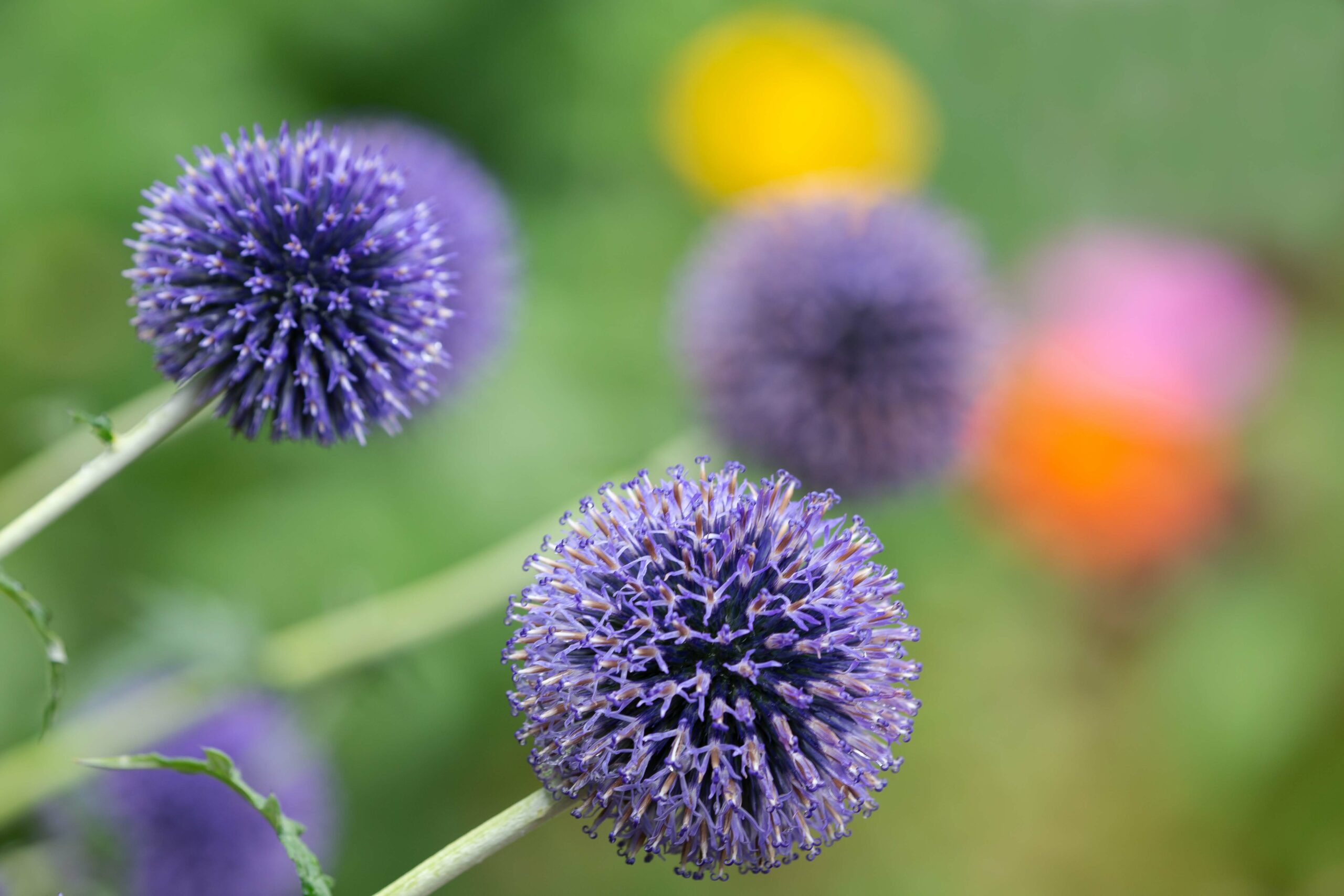
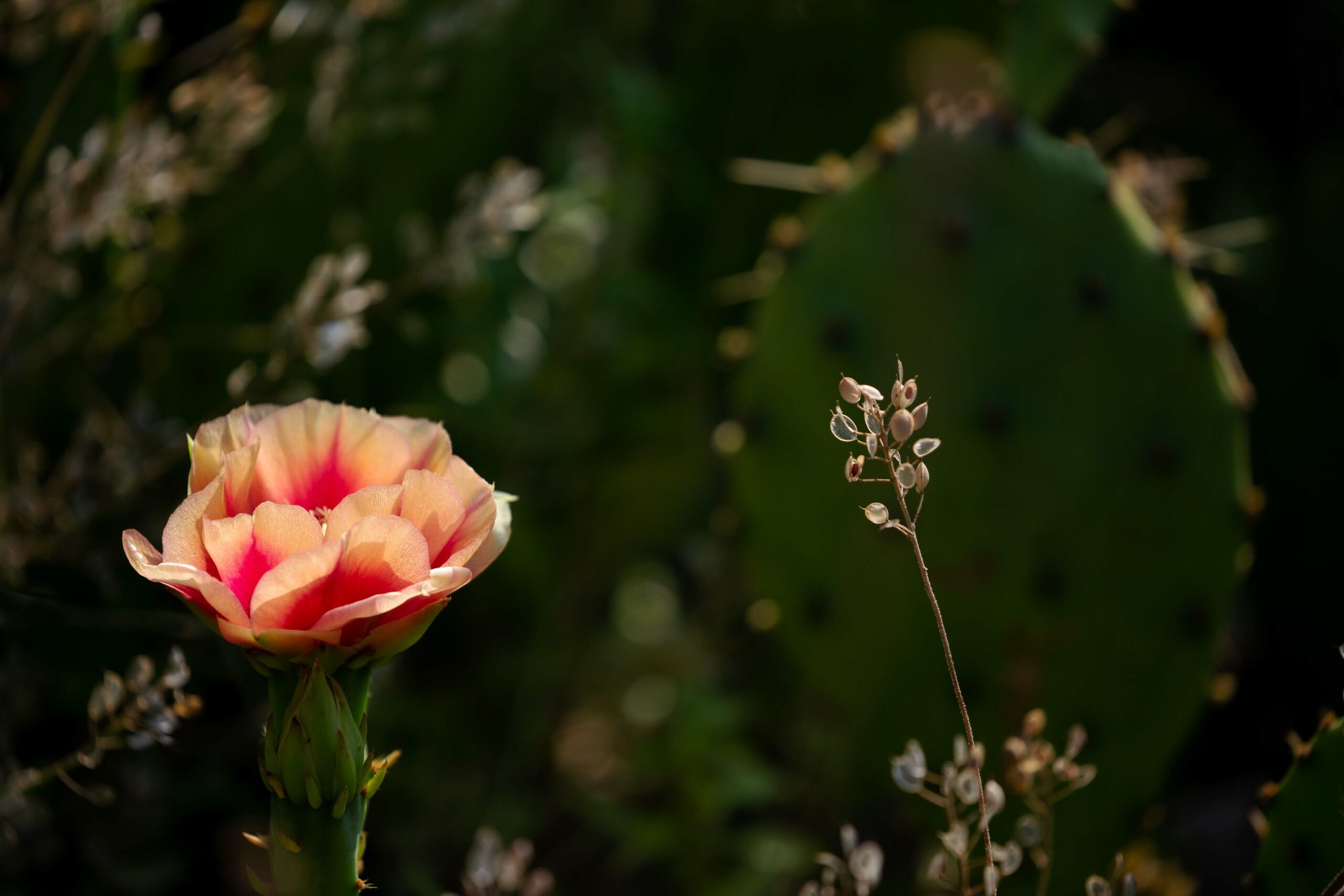
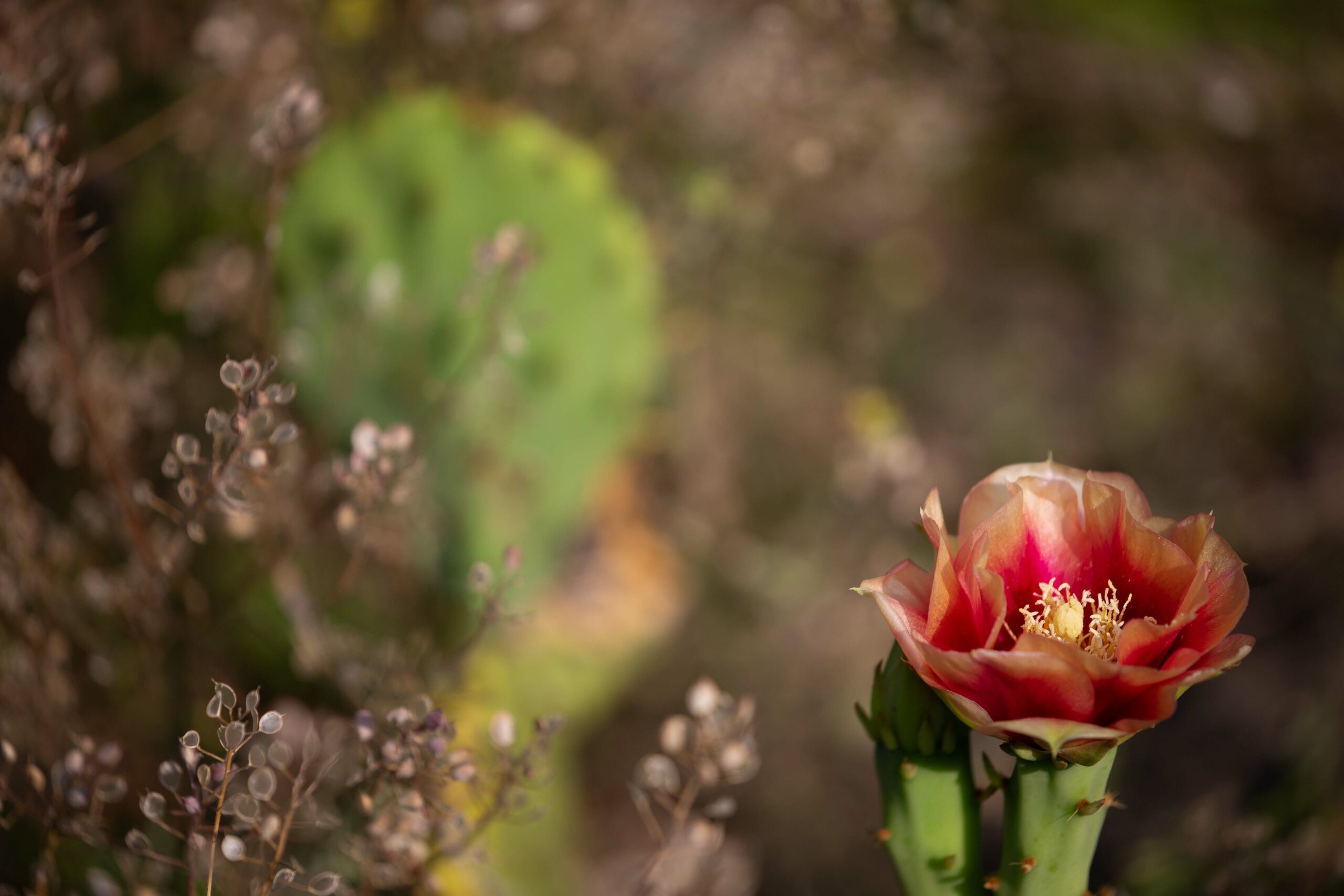
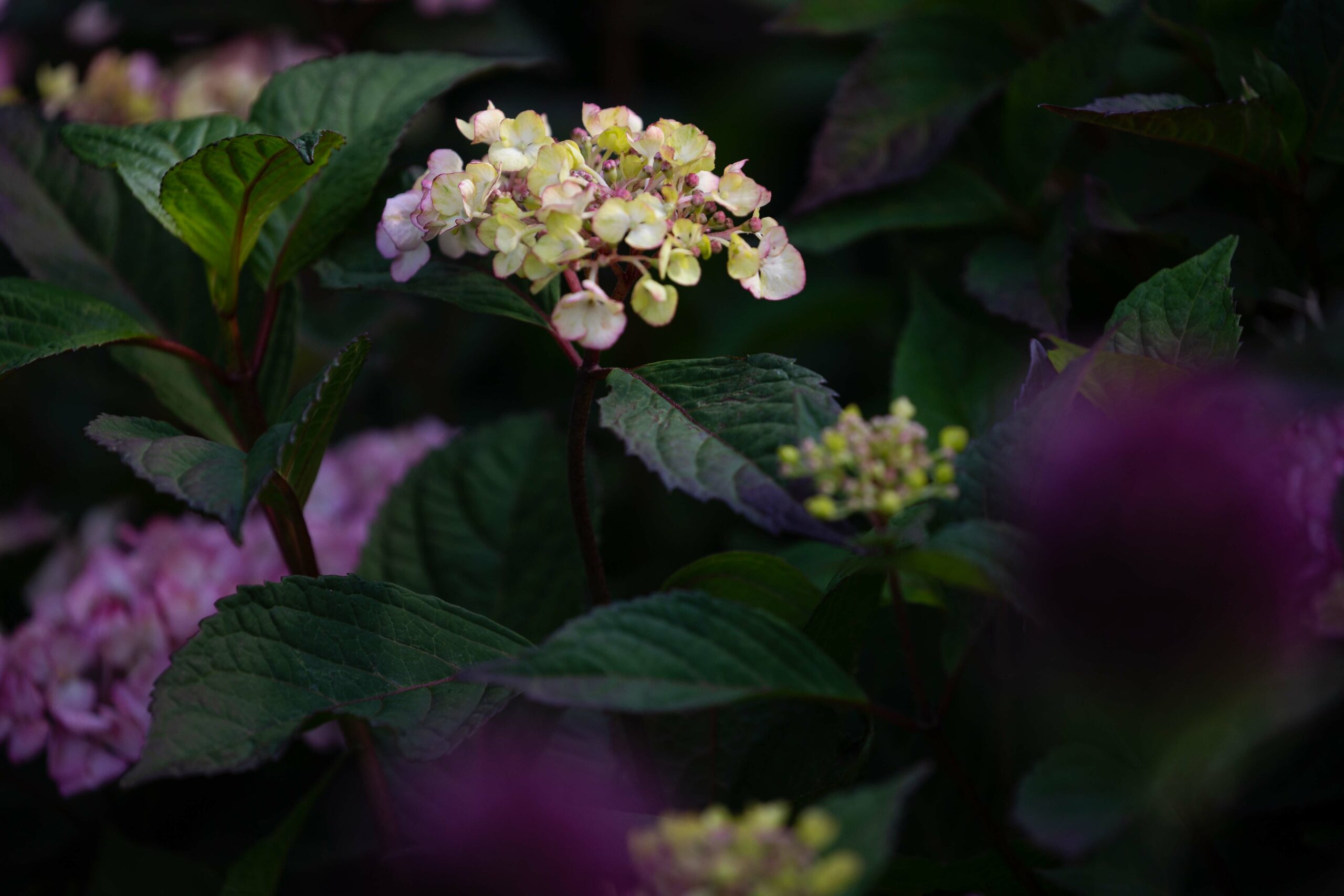
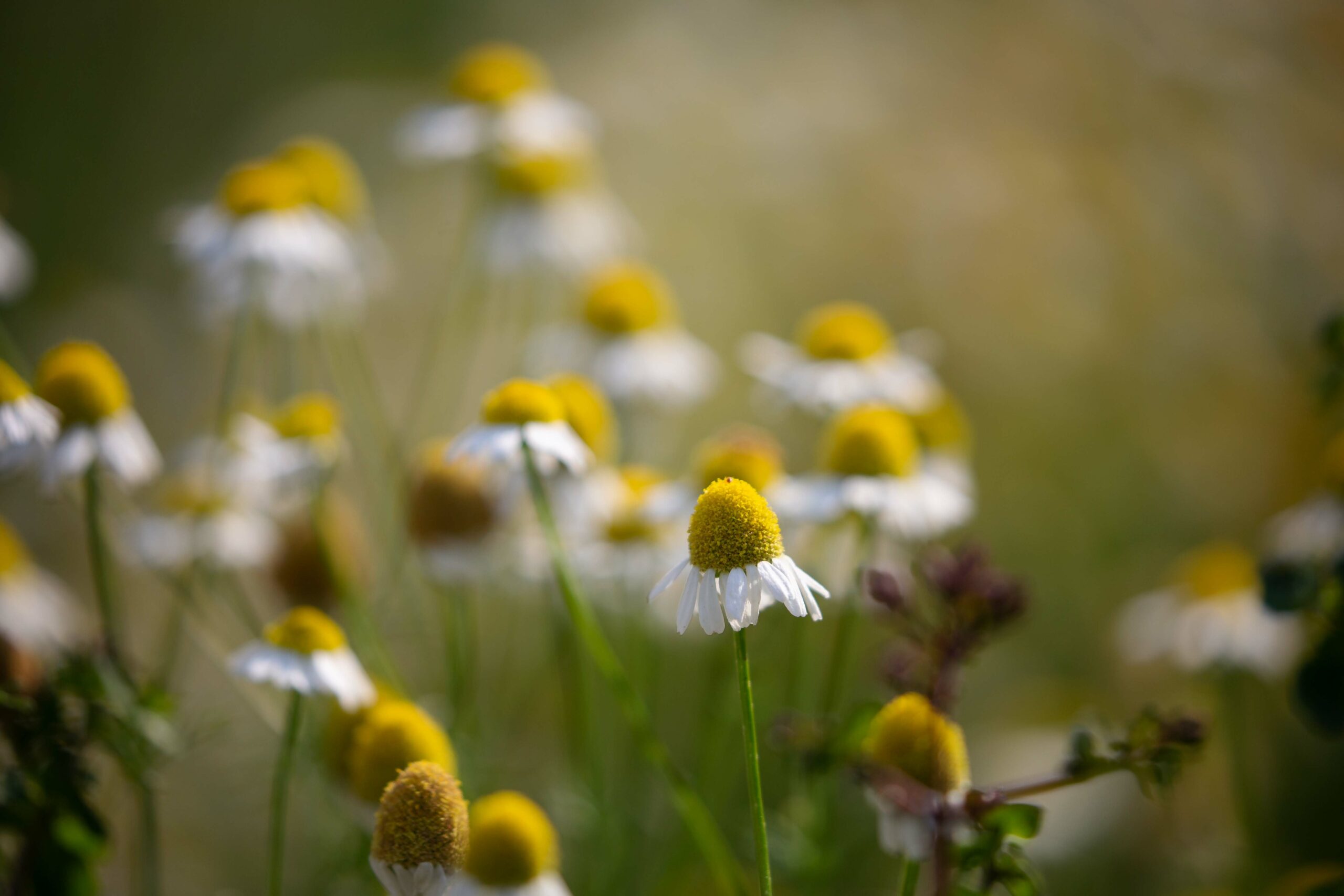
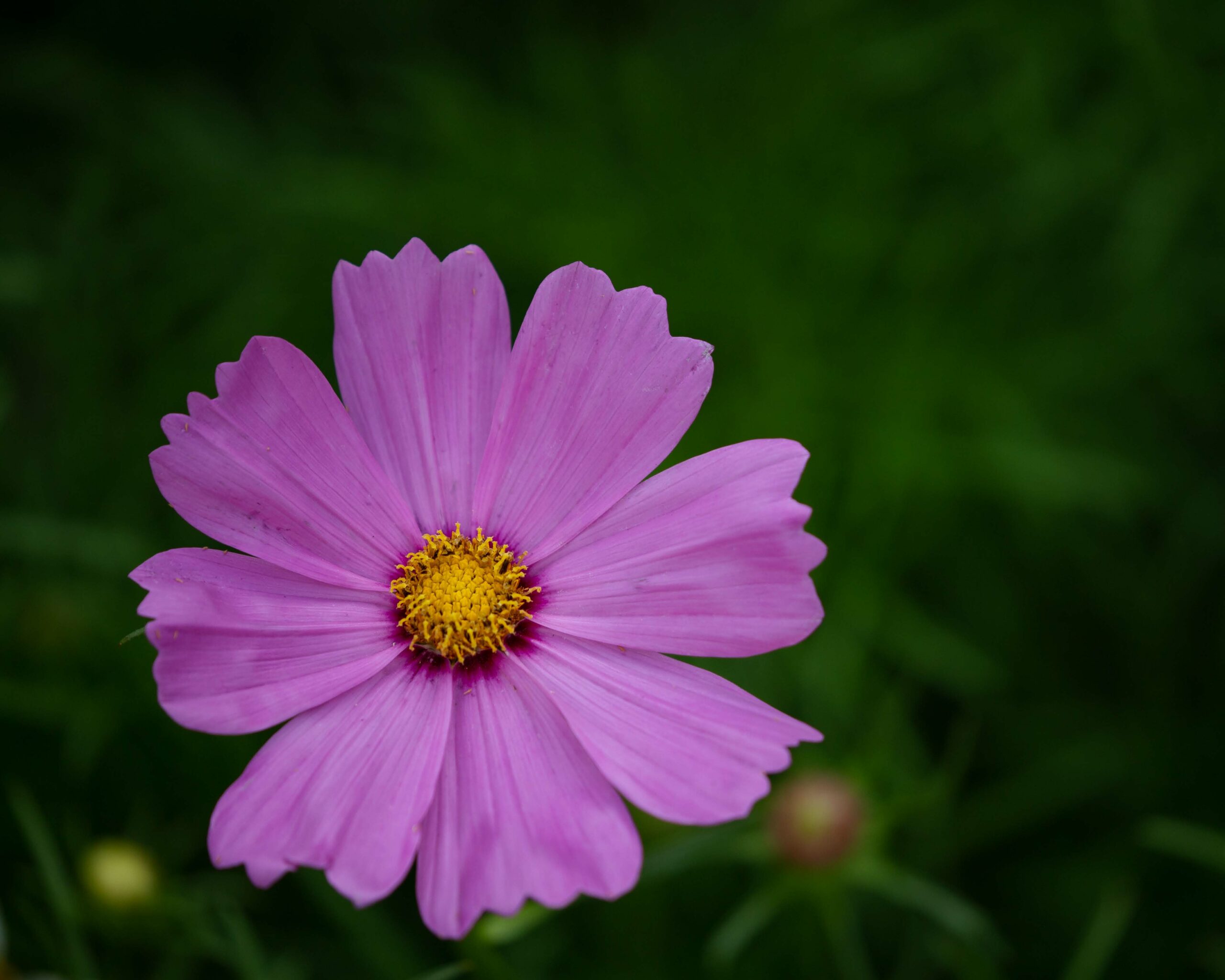
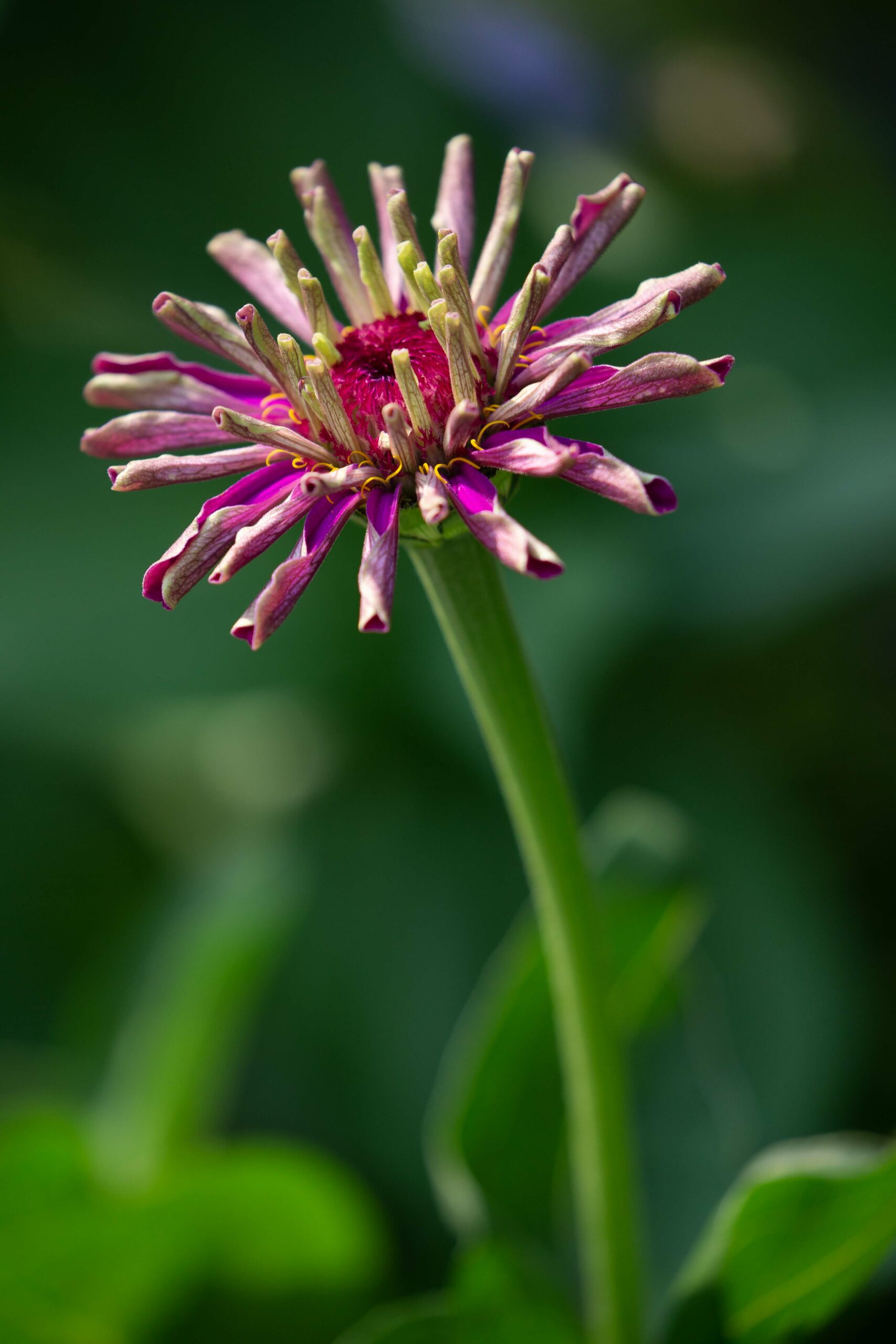
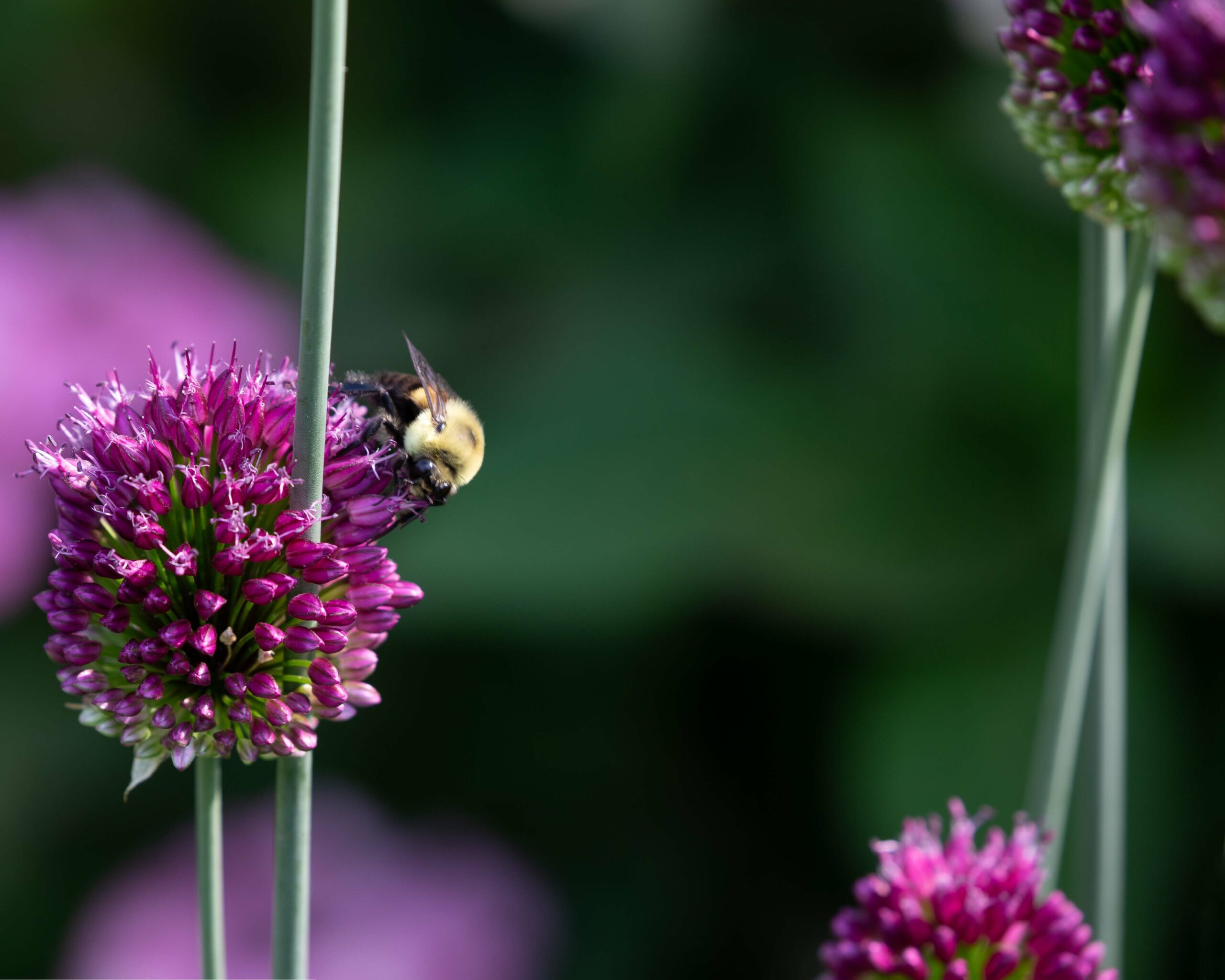
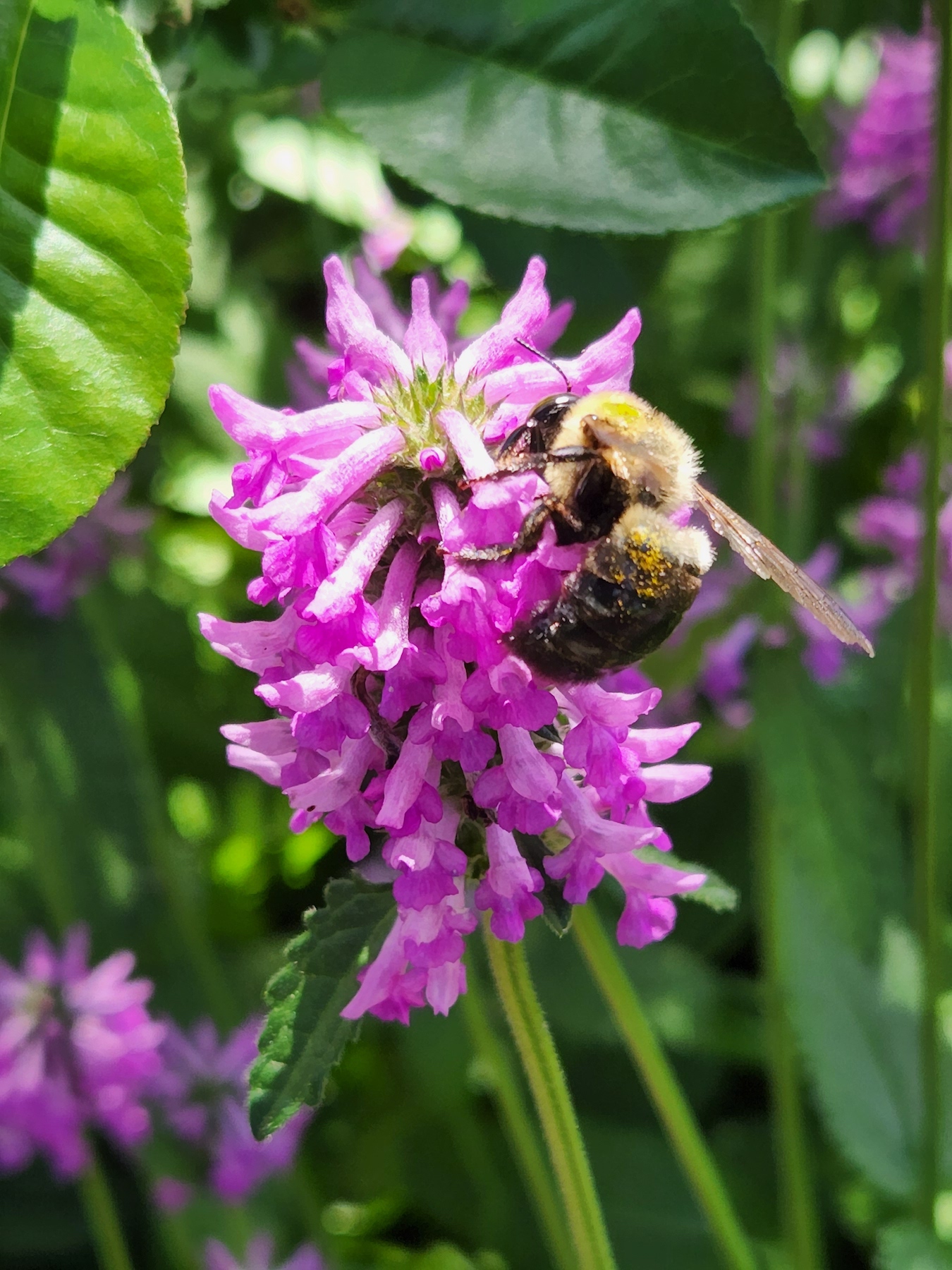
A hot summer day, the gardens are a bit dry and blooming less profusely, but plenty of color can still be found. A medium-sized Crape Myrtle shrub (Lagerstroemia indica cv. Velma’s Royal Delight) is full of flower clusters, the Black-Eyed Susan plants (Rudbeckia) are beginning to bloom and there are pockets of Garden Phlox (Phlox paniculata) blooming in several beds.
Frequent contributor, Katharine Boyle sent these beautiful images along with the following note:
”Enclosed are some recent images from Friday. I’ll admit that the up close and personal photos of the honeybee are a bit intense. You can see its tongue (proboscis) and its ocelli (tiny “simple eyes”) in the shots. Bees have two large eyes and then three tiny eyes above them. Hope you and others enjoy them! “
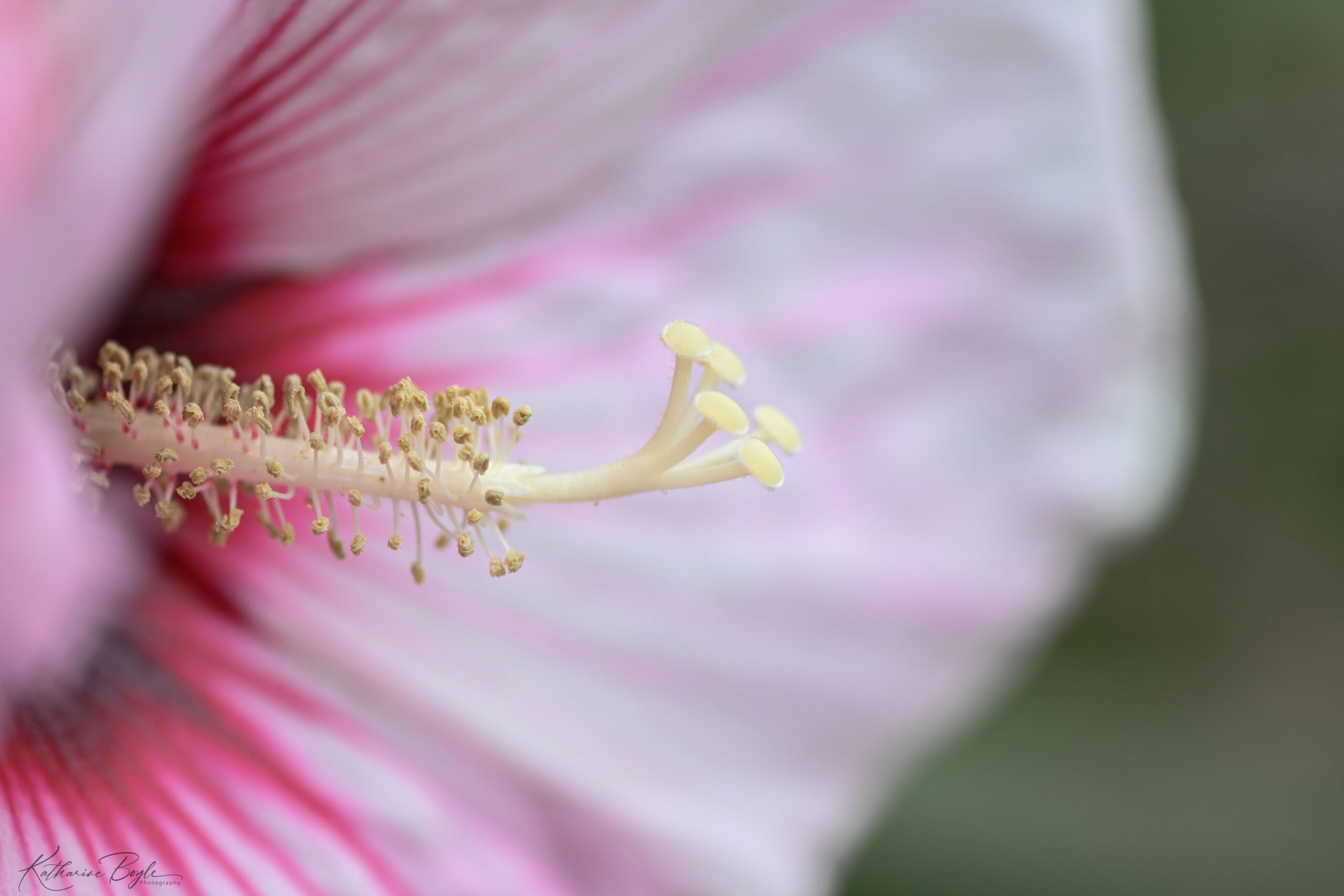
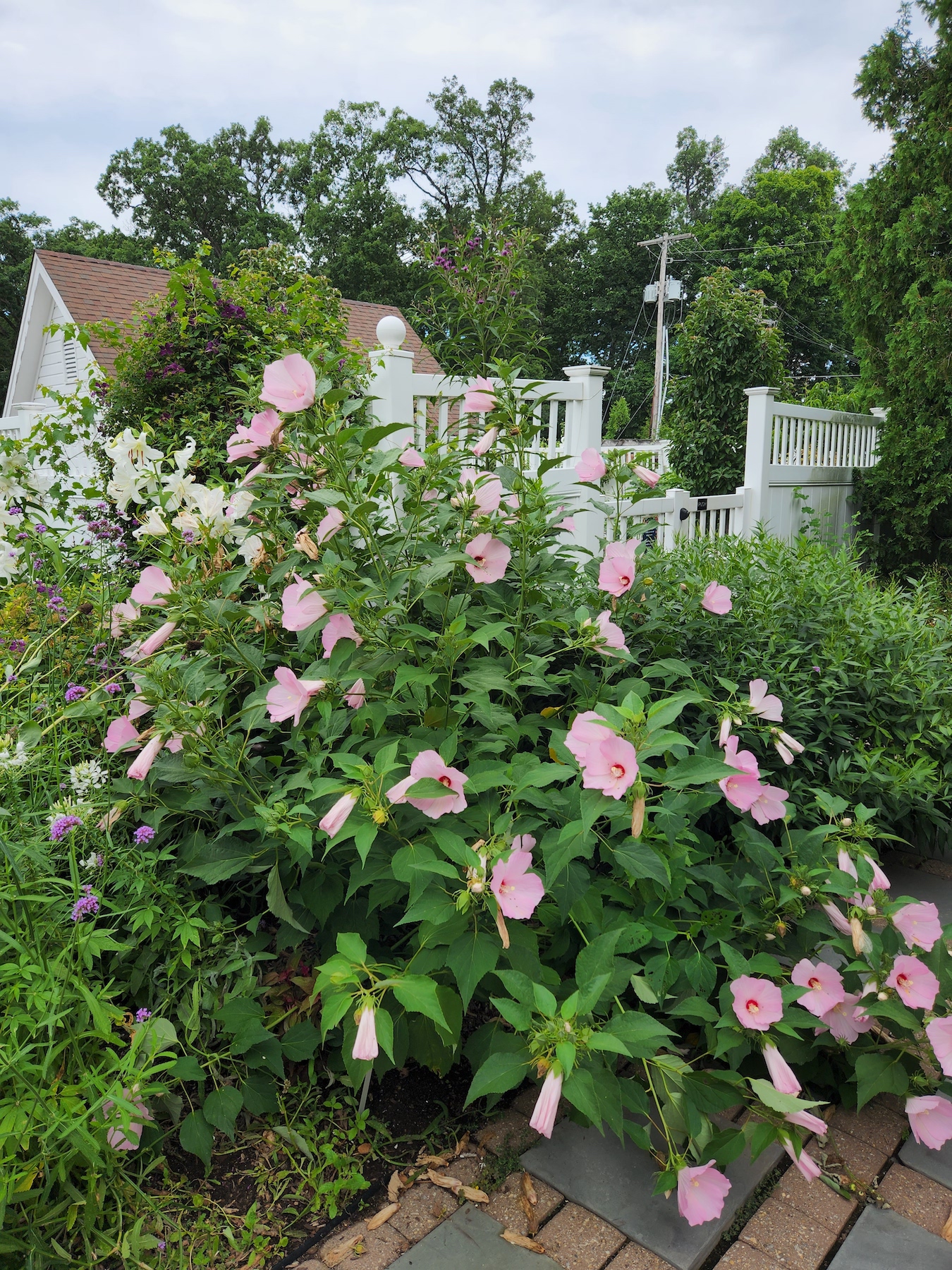
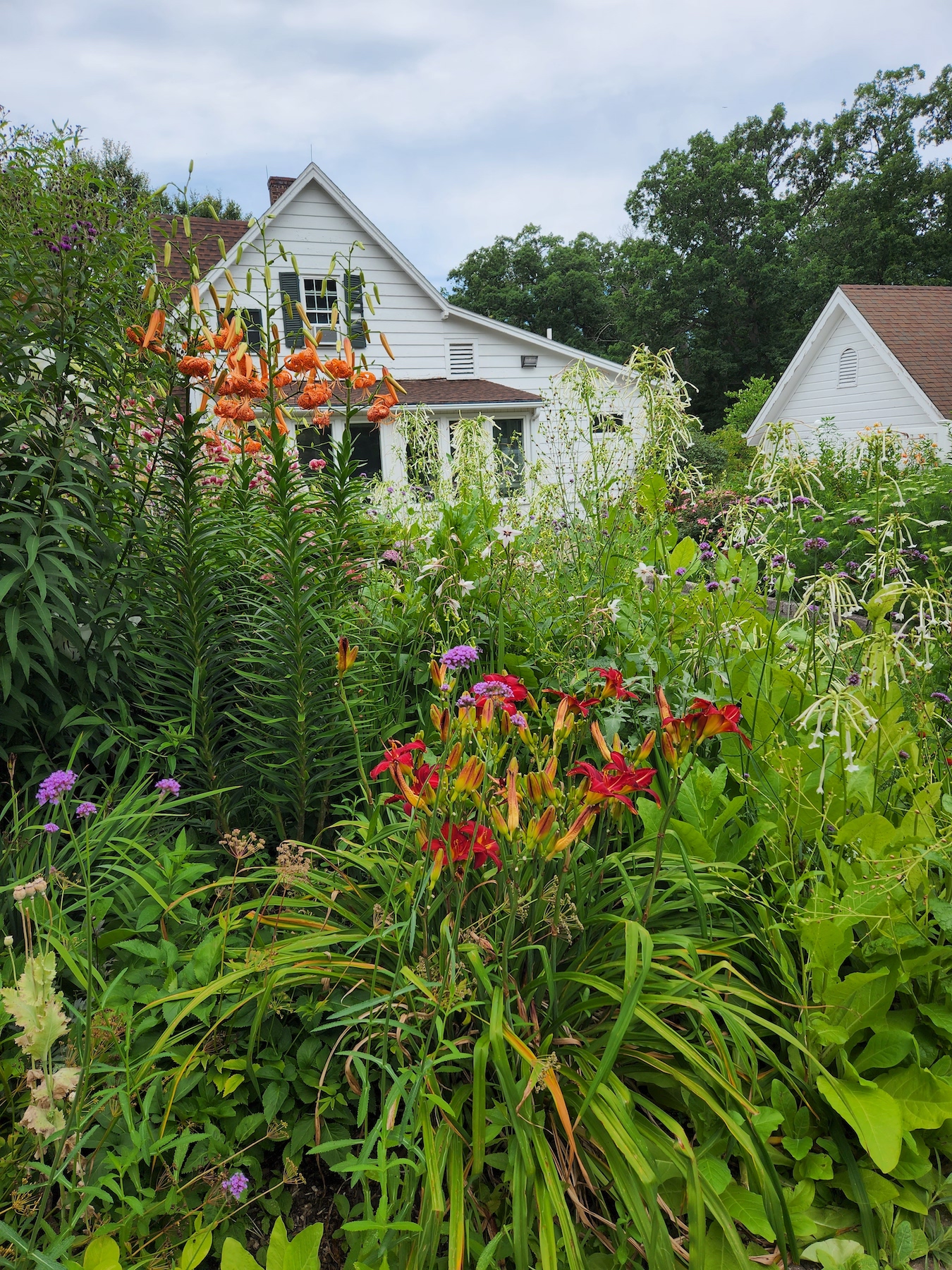
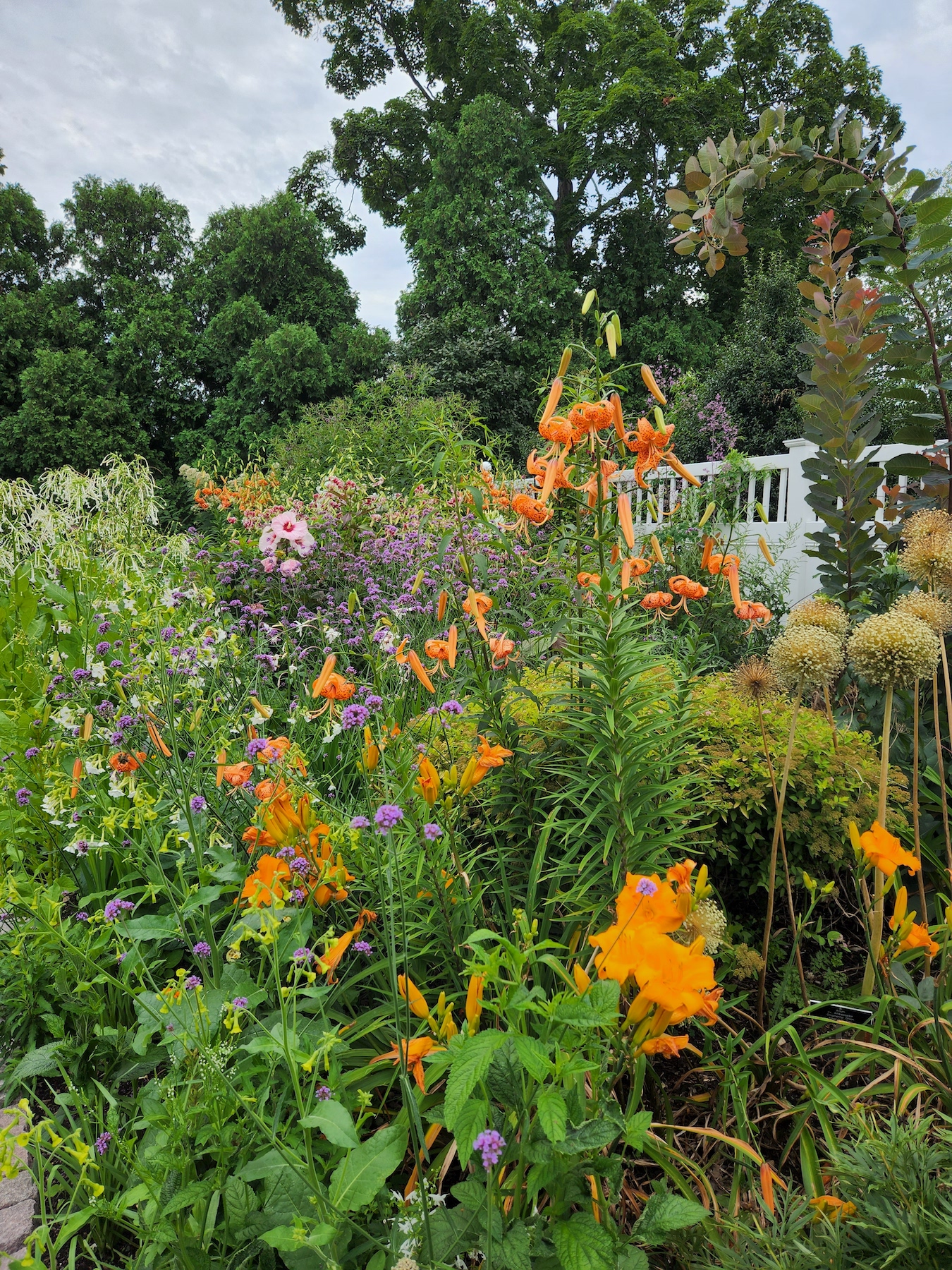
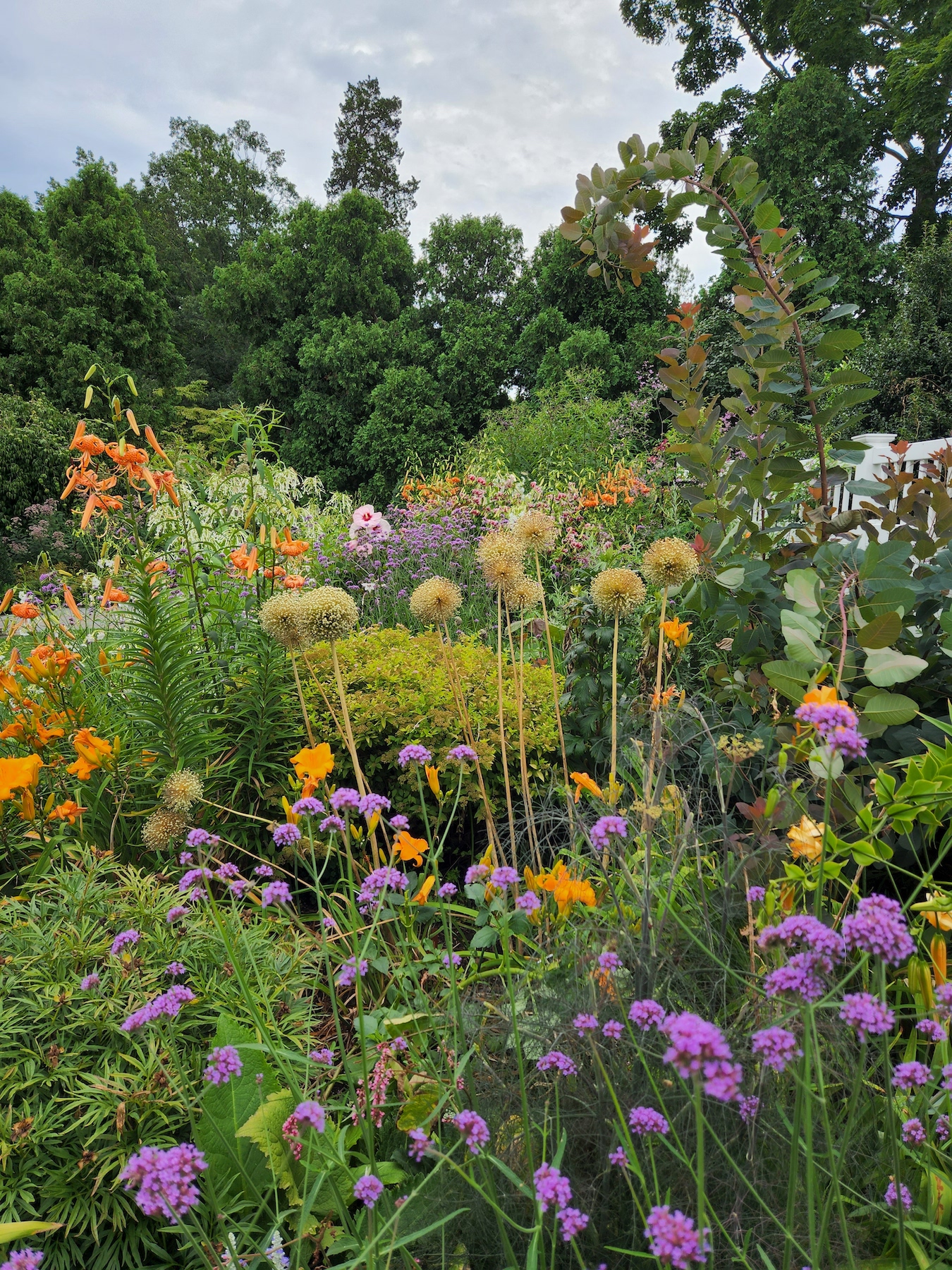
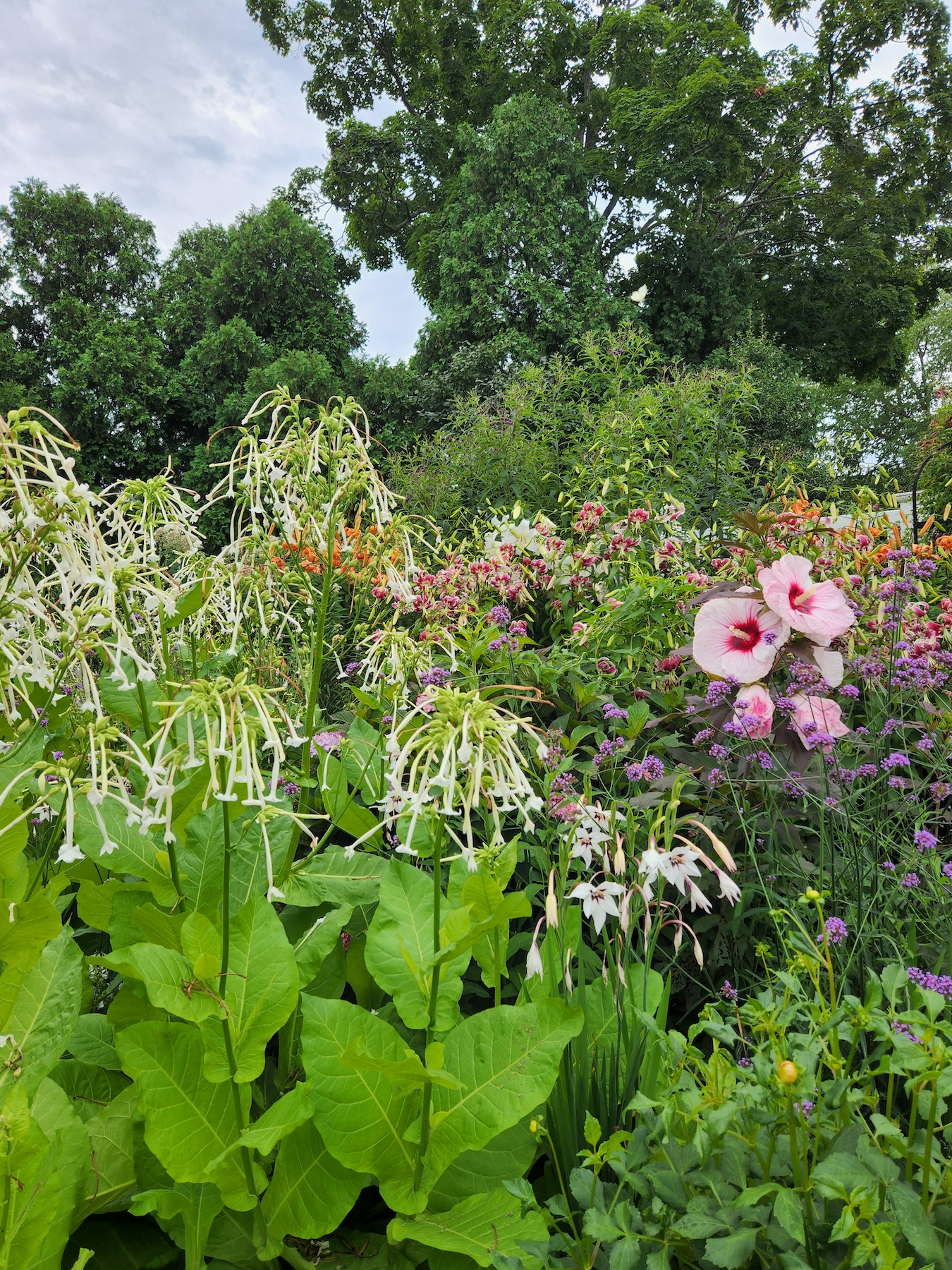
Thanks to a few showers yesterday, the humidity is down and it feels much cooler today, what a relief! The Gardens next to Matilda’s cottage are blooming beautifully in a riot of colors, textures, shapes and heights. There are bright red Daylilies (Hemerocallis), light pink Hardy Hibiscus (Hibiscus moscheutos), mauve Cluster Top Vervain (Verbena bonariensis), tall white Tobacco plants (Nicotiana), bright orange Turks Cap Lilies (Lilium superbum), and several decorative dry Allium giganteum (Giant Onion) seed heads. Plan to visit soon, these are not the only gardens in bloom.
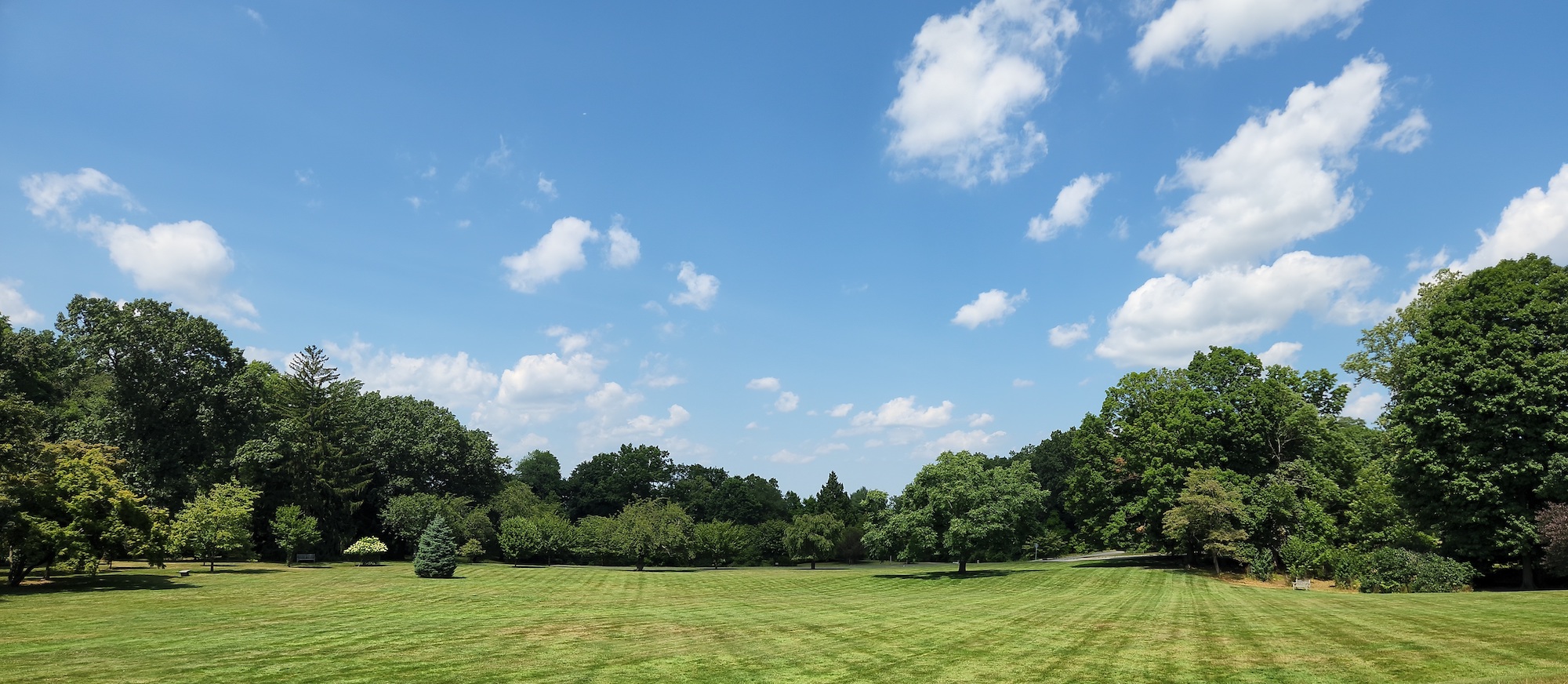
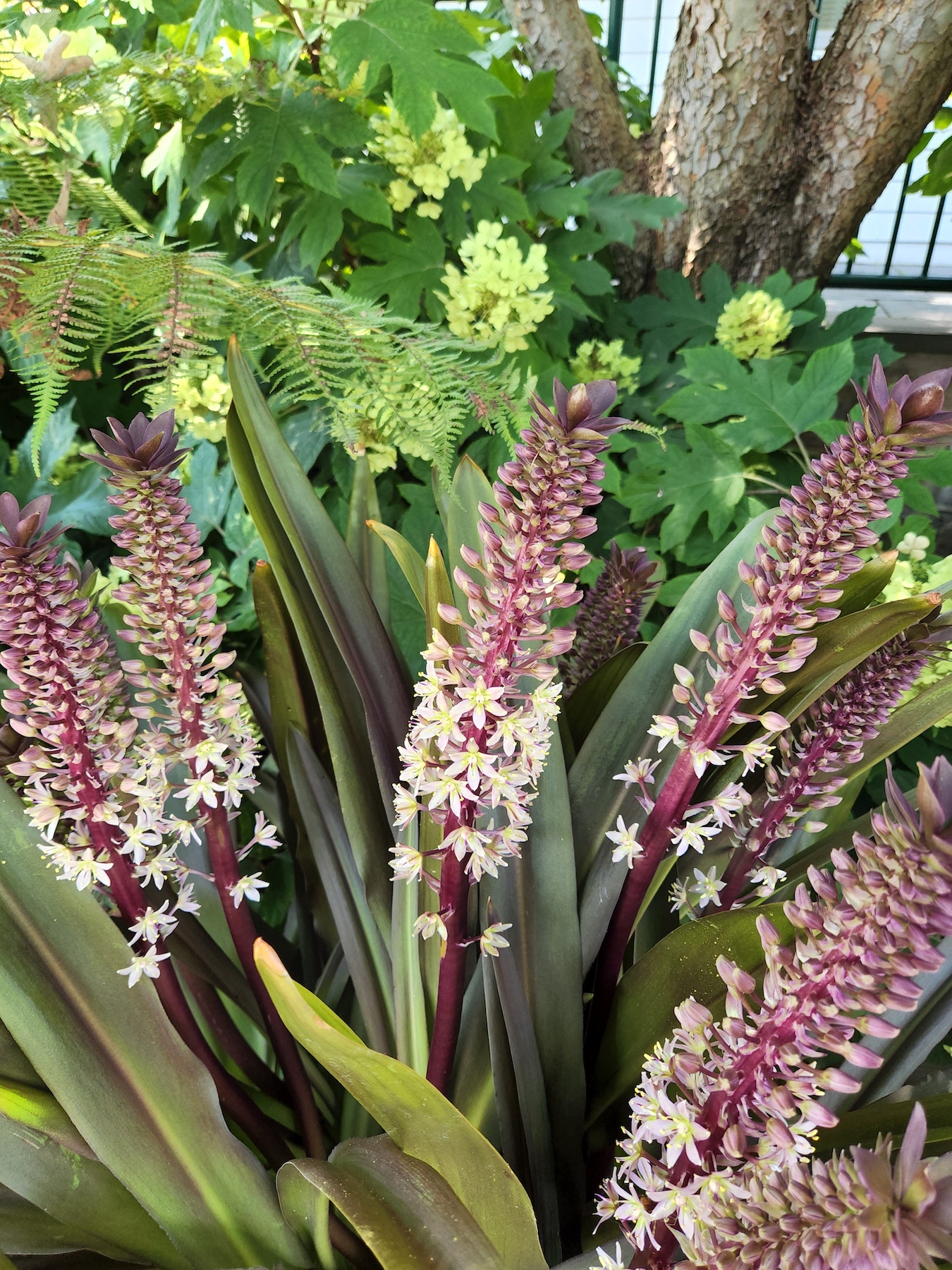
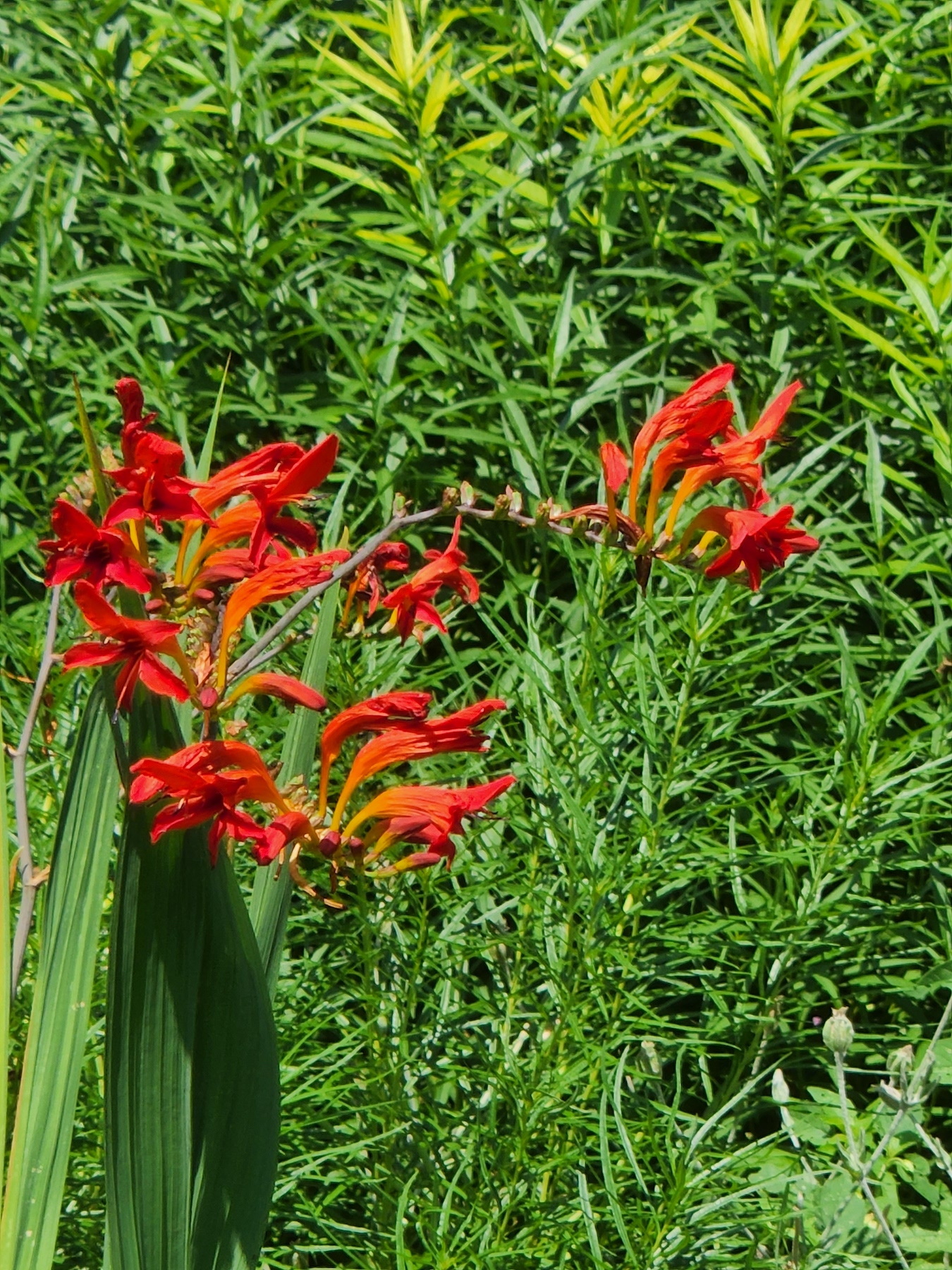
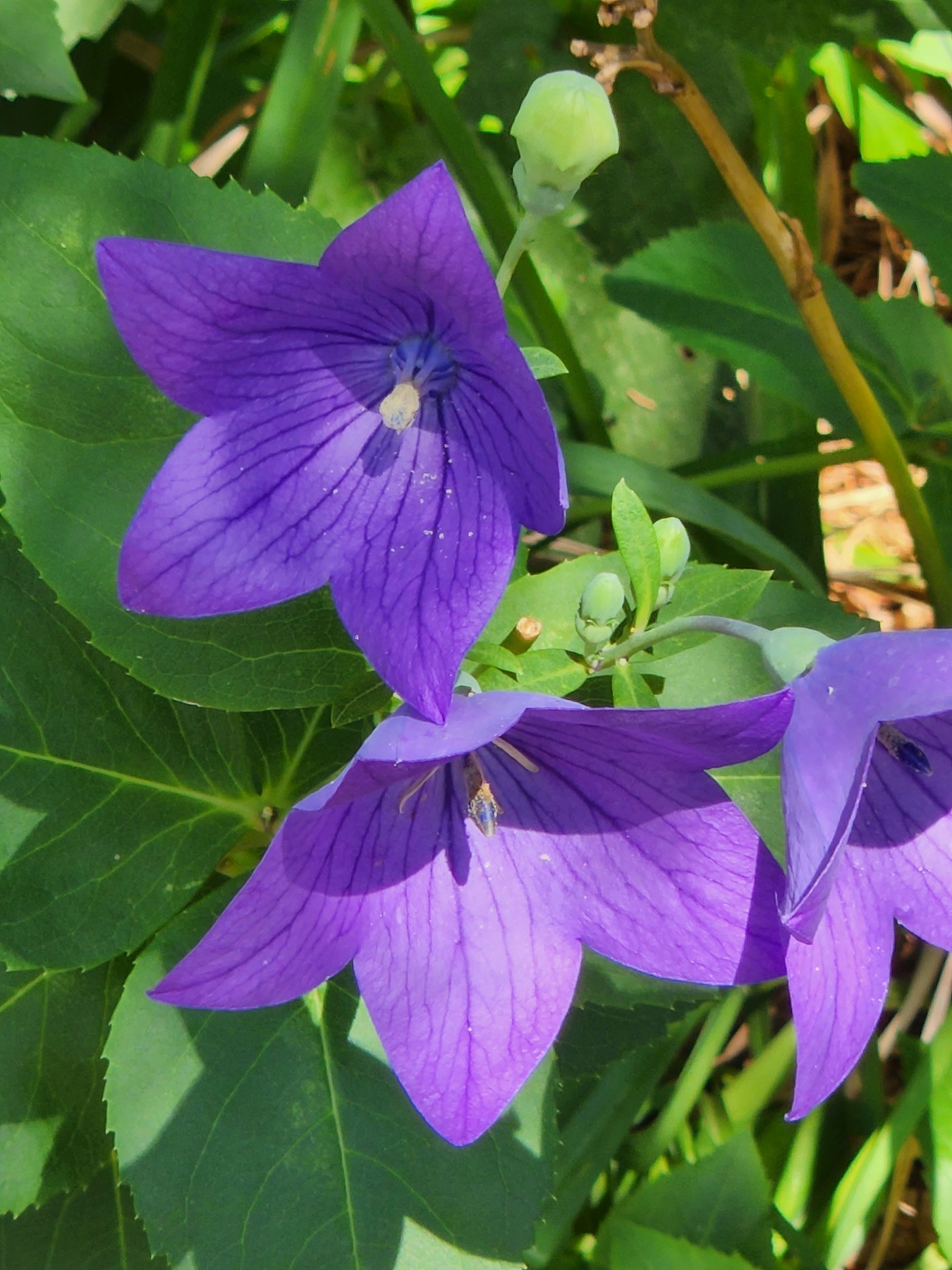
Mid-80s today at the Arboretum. Walking from spot of shade to spot of shade and sitting often, so grateful for all the comfortable benches along the way! The Adirondack chairs in front of the Mansion provide an expansive view of the Great Lawn; blooming in the gardens were bright red Crocosmia ‘Lucifer’ (Montbretia), periwinkle blue Platycodon grandiflorus (Balloon Flower) and, in a large pot in the shade, Eucomis ‘Sparkling Burgundy’ (Pineapple Lily) with Oakleaf Hydrangea flowers behind it.
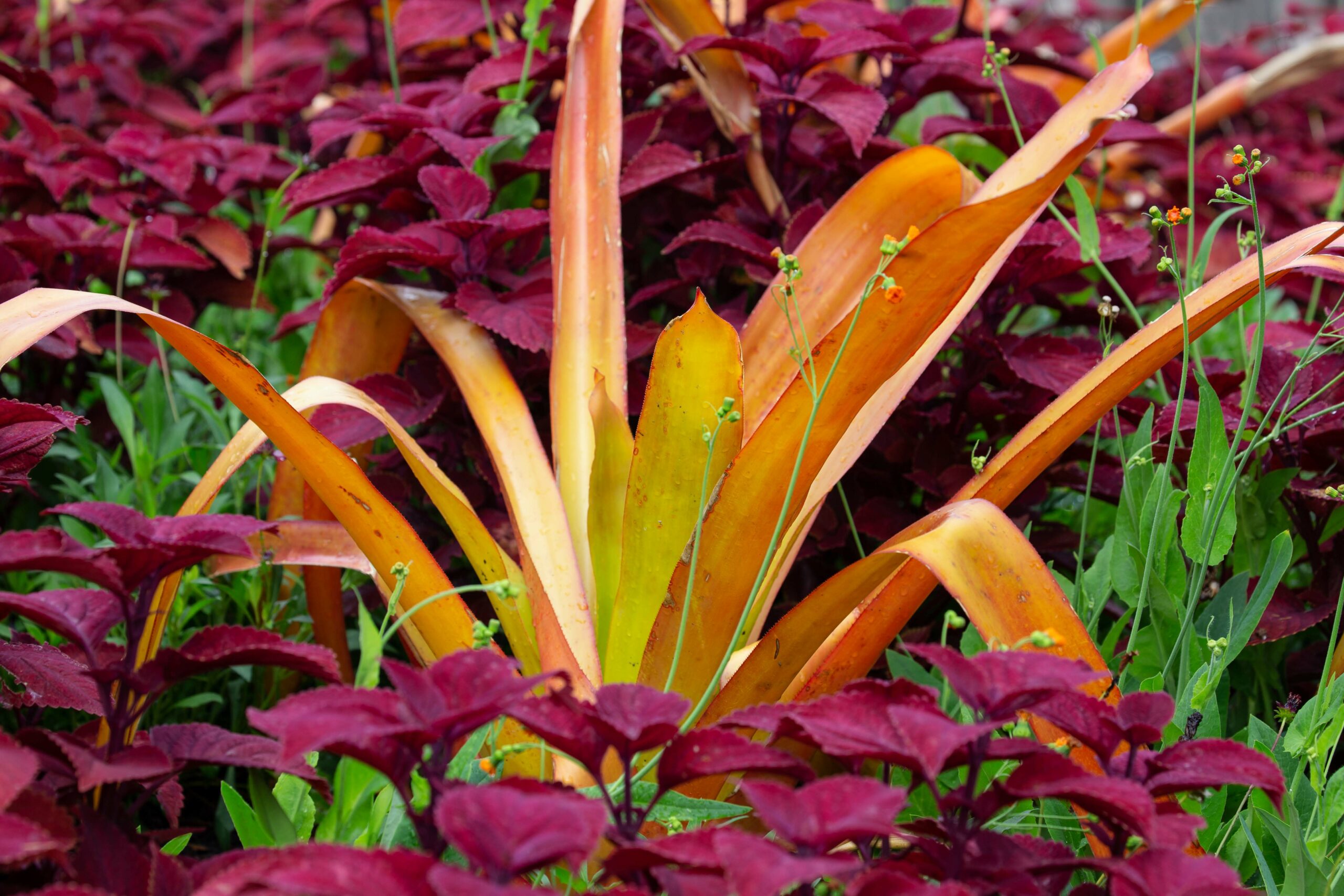
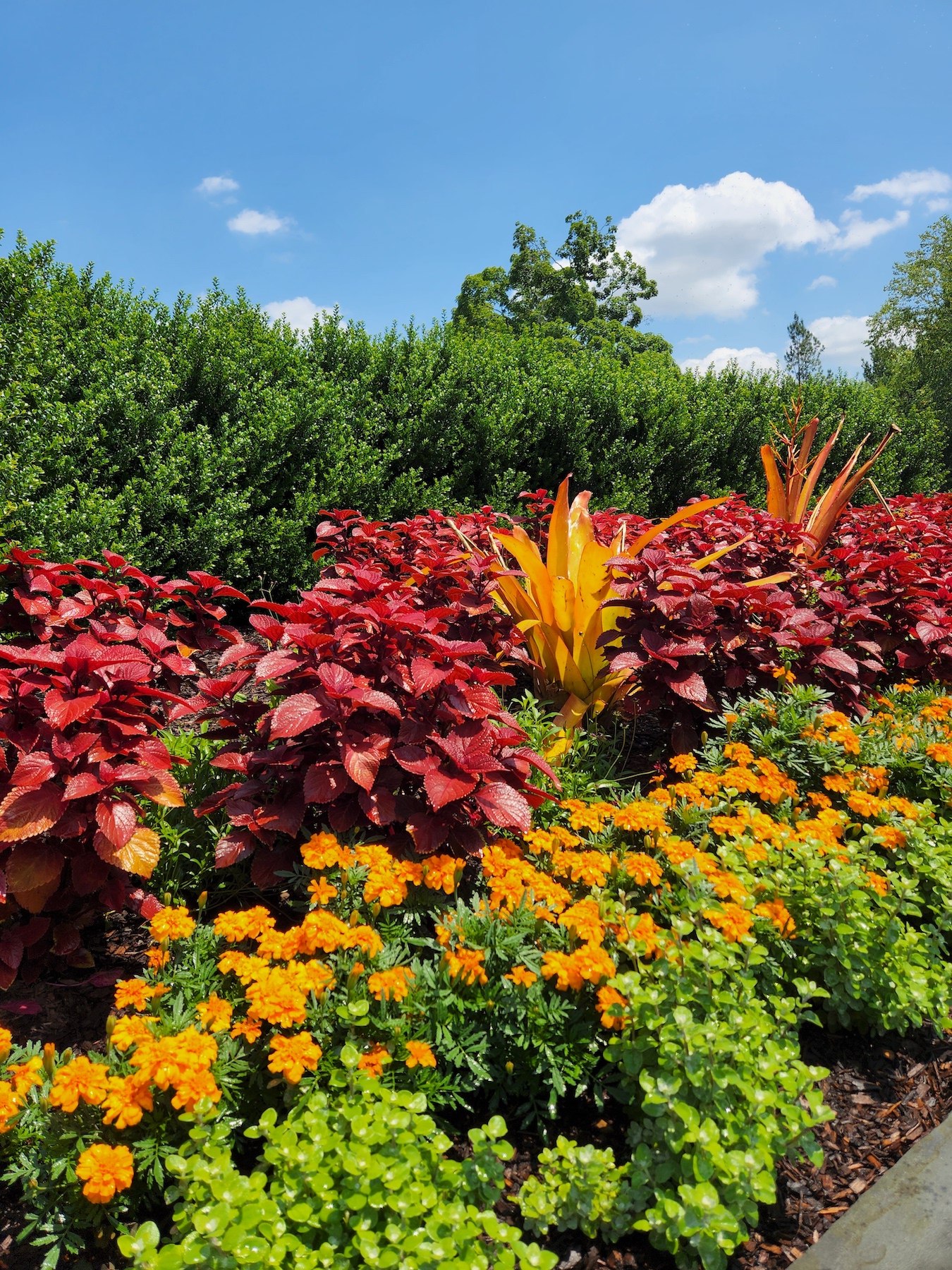
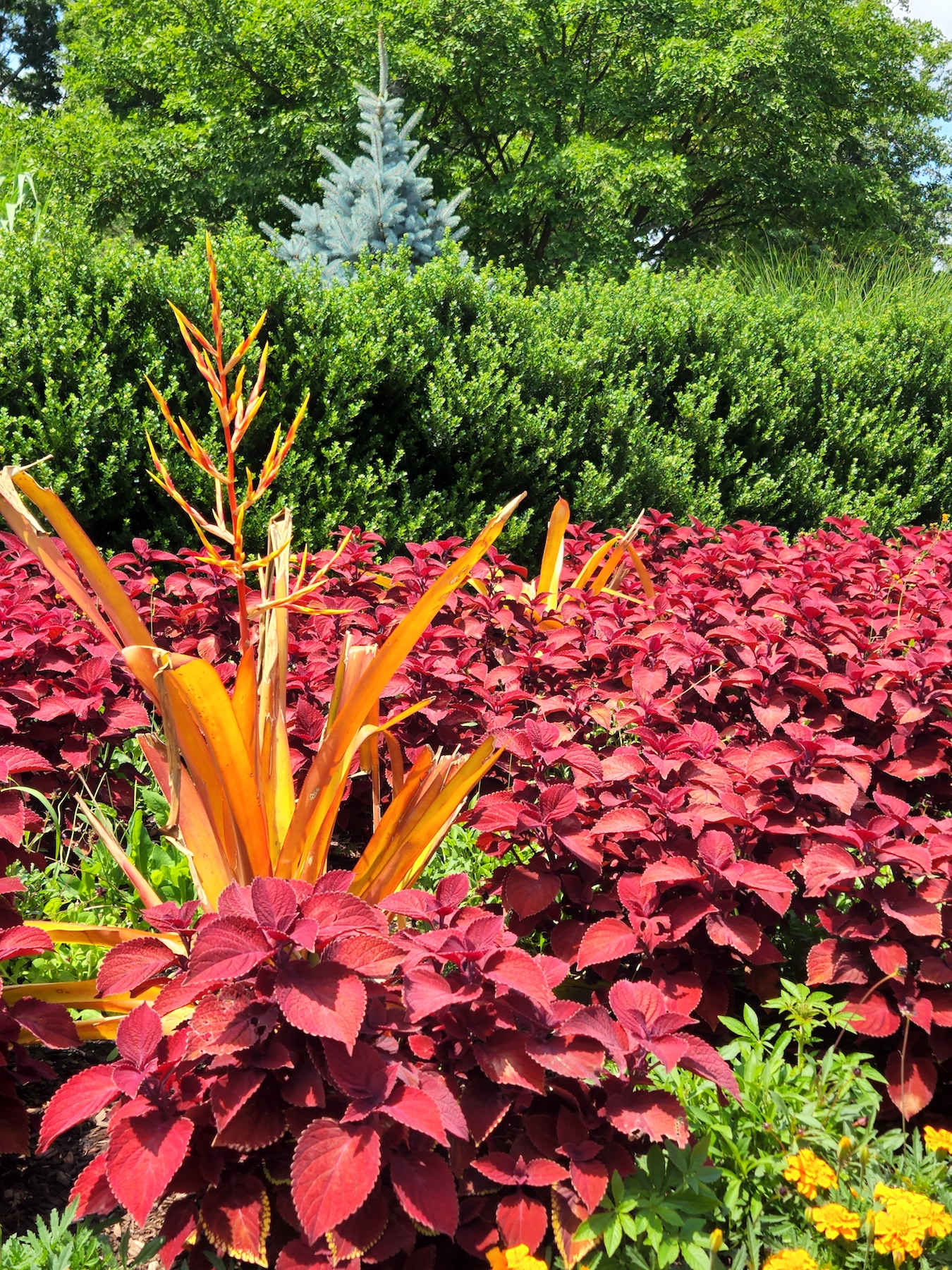
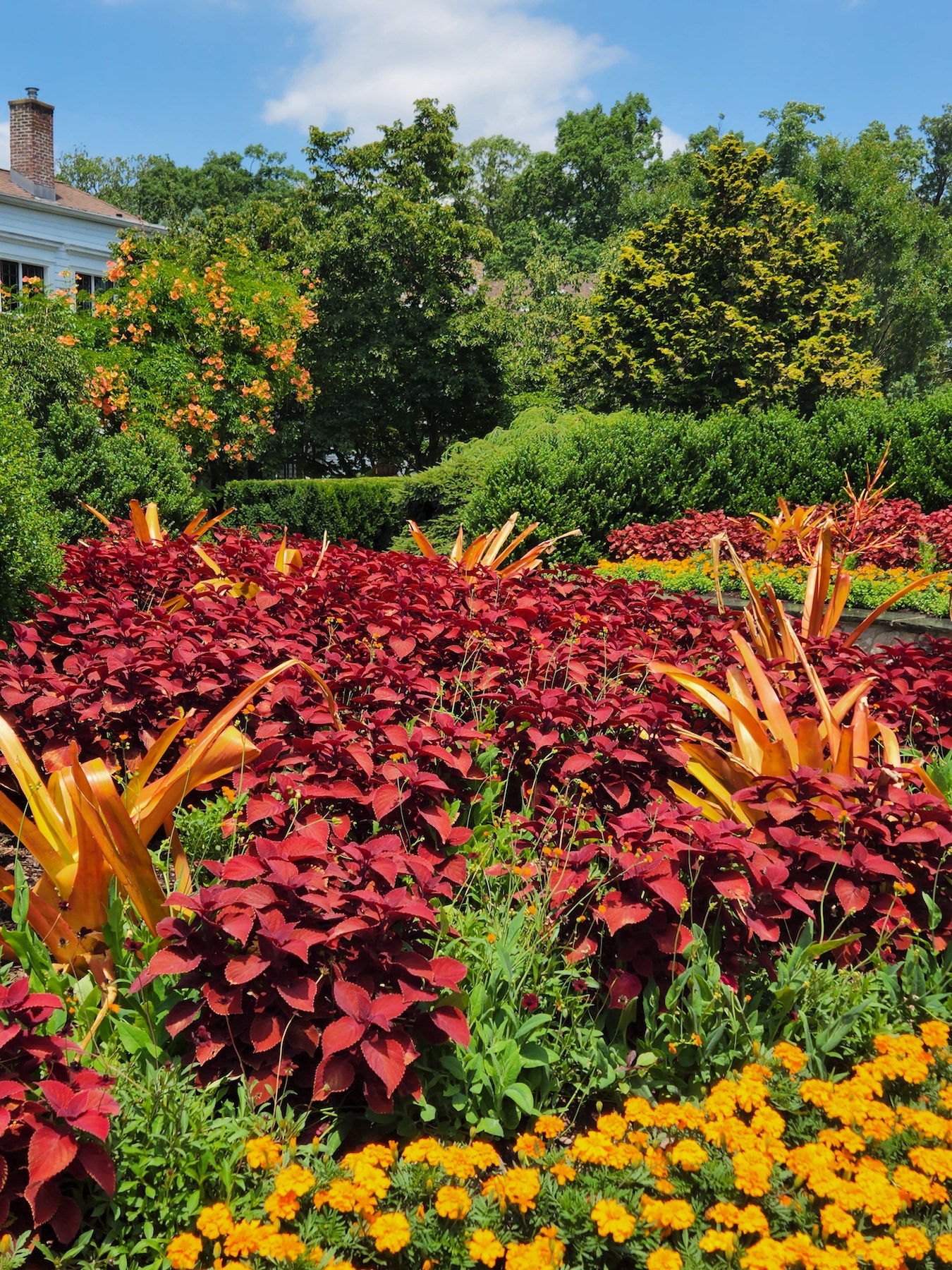
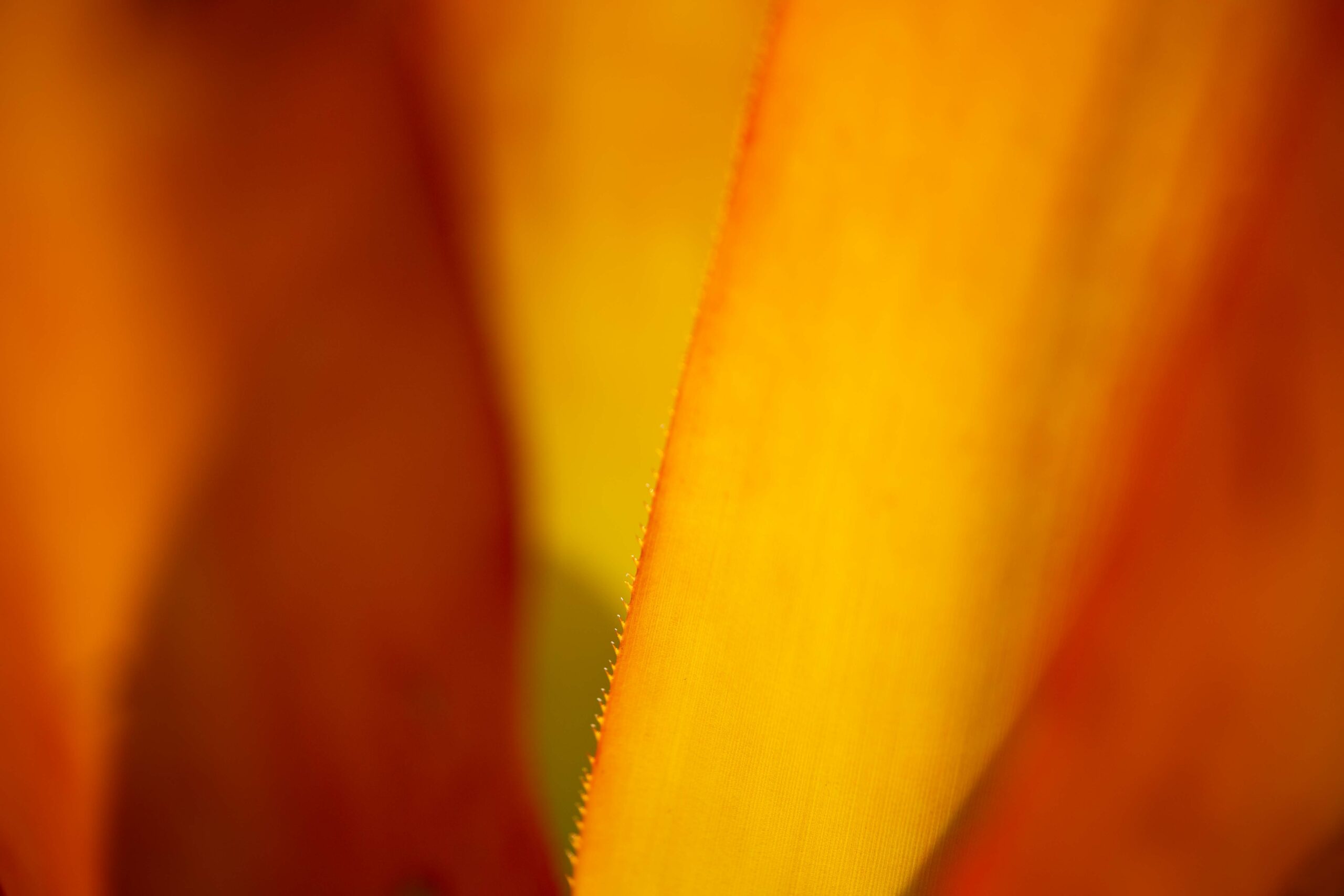
The sunny beds flanking the entrance to the Haggerty Education Center have been planted differently this year with a “hot” combination of tropical plants, including Aechmea blanchetiana ‘Hawaii” (Bromeliad), deep red Coleus spp, bright orange Marigolds (Tagetes) and delicate Tassel Flowers (Emilia spp). It makes for a striking arrangement, especially when planted in front of the dark green hedge behind. Visit and see for yourself!
Picture credits: Margery Ennist.
Achmea Blanchetiana Hawaii
Achmea Blanchetiana Hawaii
Achmea Blanchetiana Hawaii
This is the Friends of The Frelinghuysen Arboretum’s Photo Gallery. Click on the title of one of the albums below to open it where you may then browse the pictures. To receive photos regularly, sign up for our weekly email blast by clicking here.
We welcome pictures from all our friends and visitors — send any you would like to see here to webmaster@arboretumfriends.org.
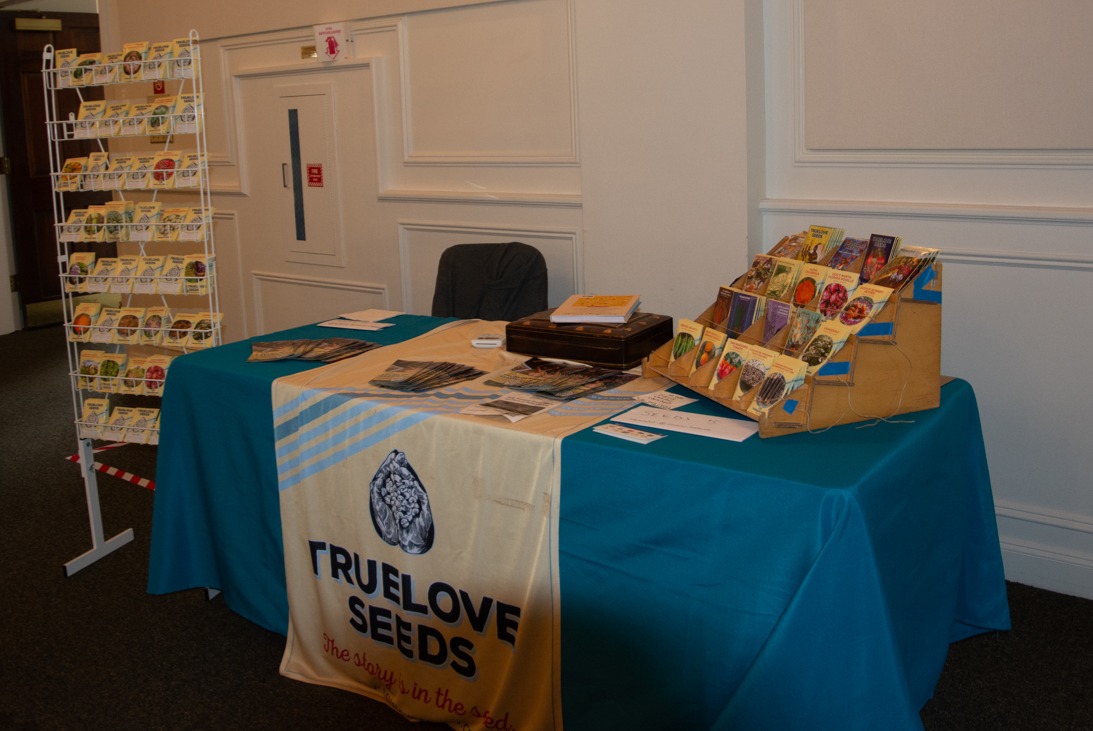
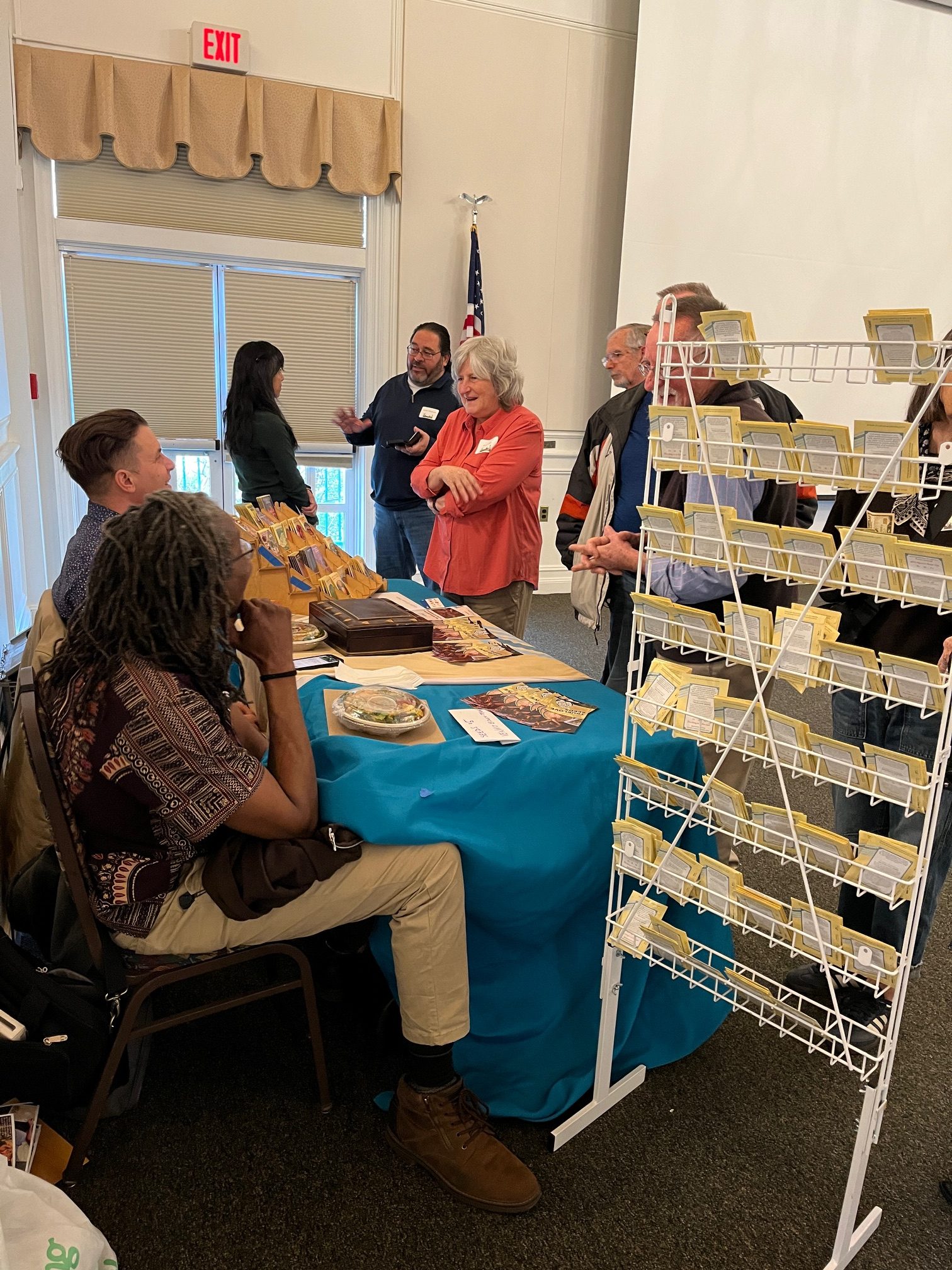
The 16th Annual Community Garden Conference is a wrap. Keynote speakers Christopher Bolden-Newsome and Owen Taylor presented a wonderful, interesting and informative program, and their Truelove Seeds were available for purchase at the Conference. Thank you to all the presenters and roundtable moderators for another successful Conference. See you next year!
Here are a couple of photos of the keynote speakers and the seed sale table. Thanks to Peter Nitzsche for the Truelove Seeds table photo and to Judy Snow for the photo of the keynote speakers at the table.
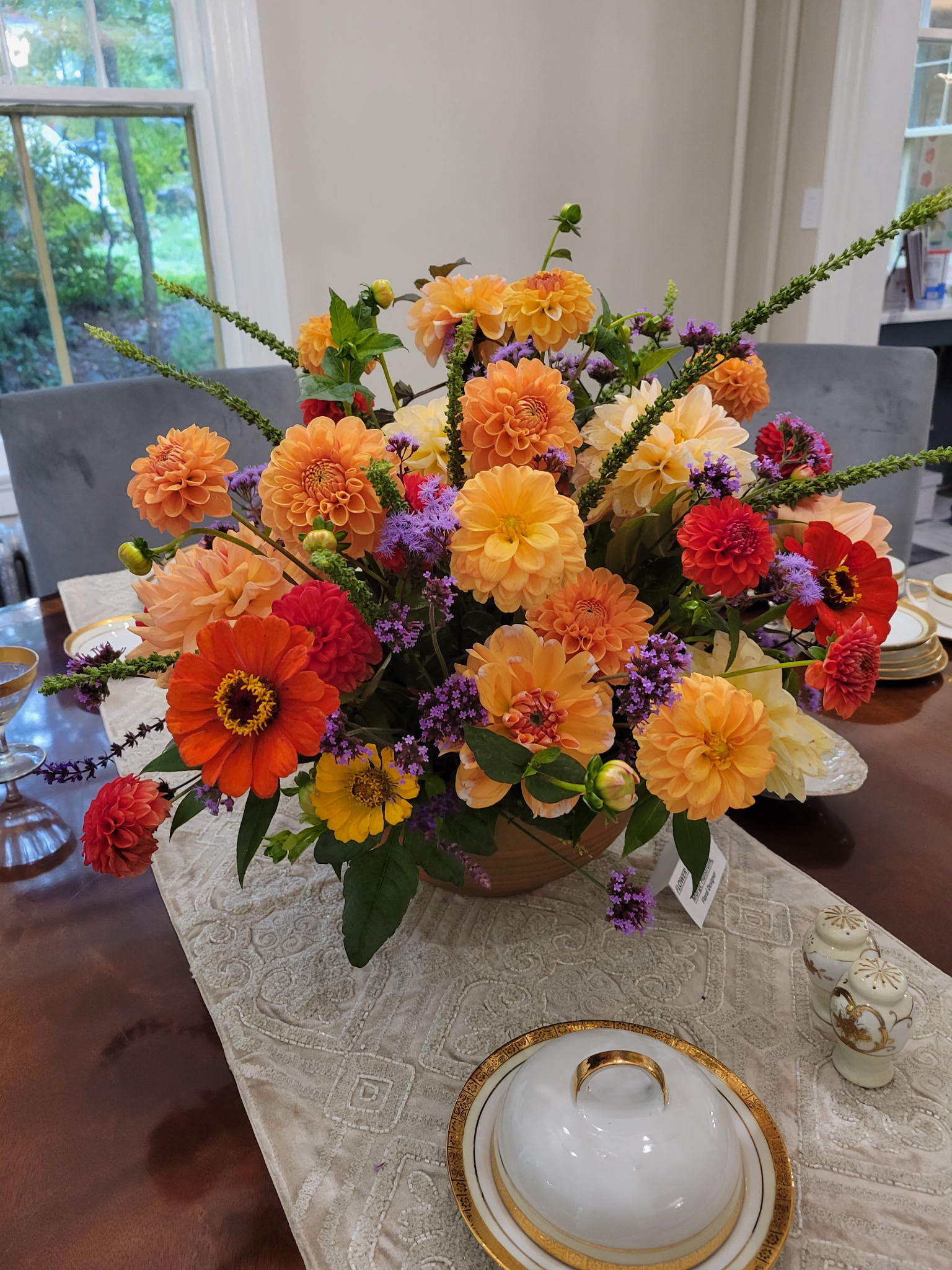
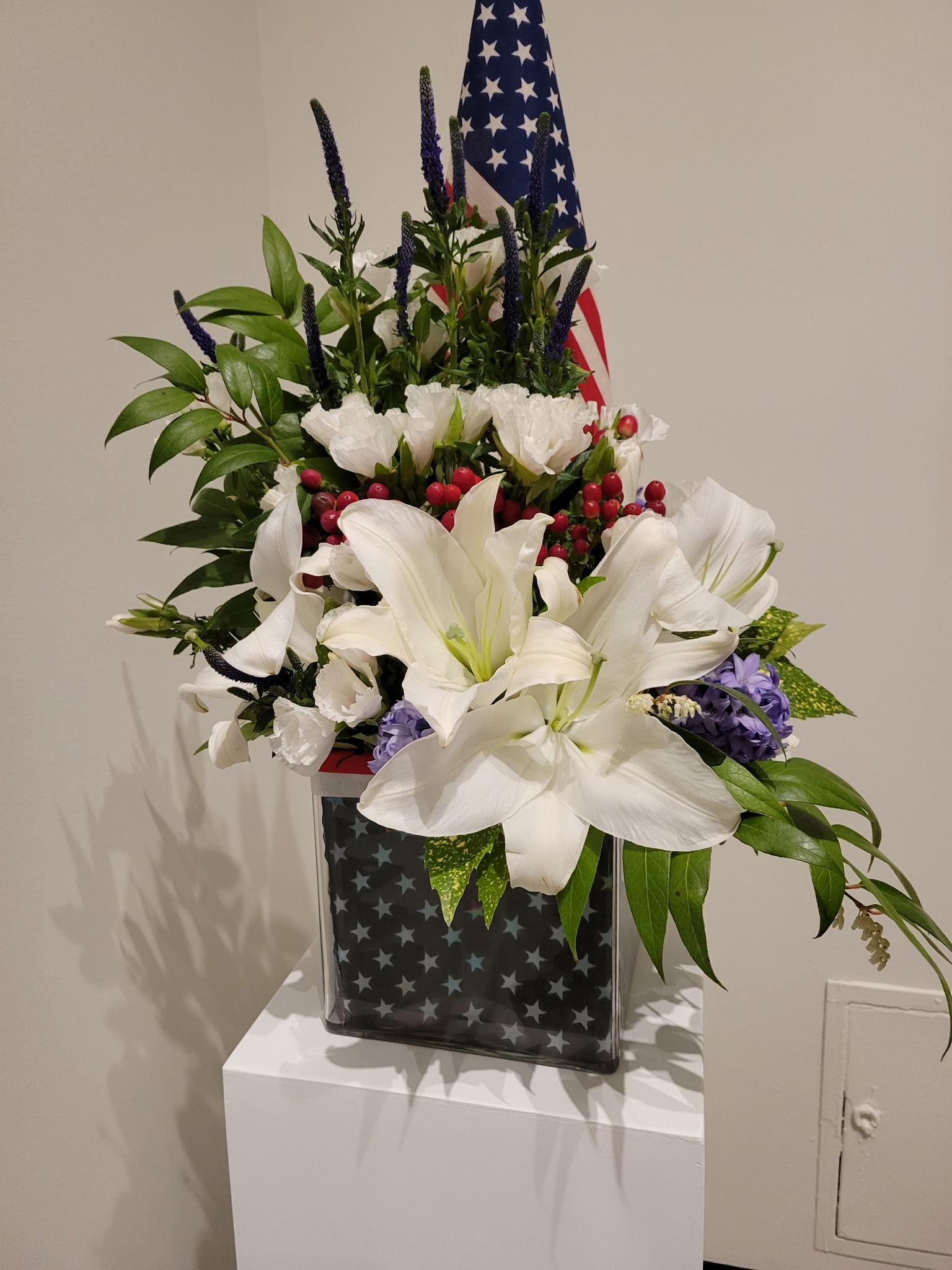
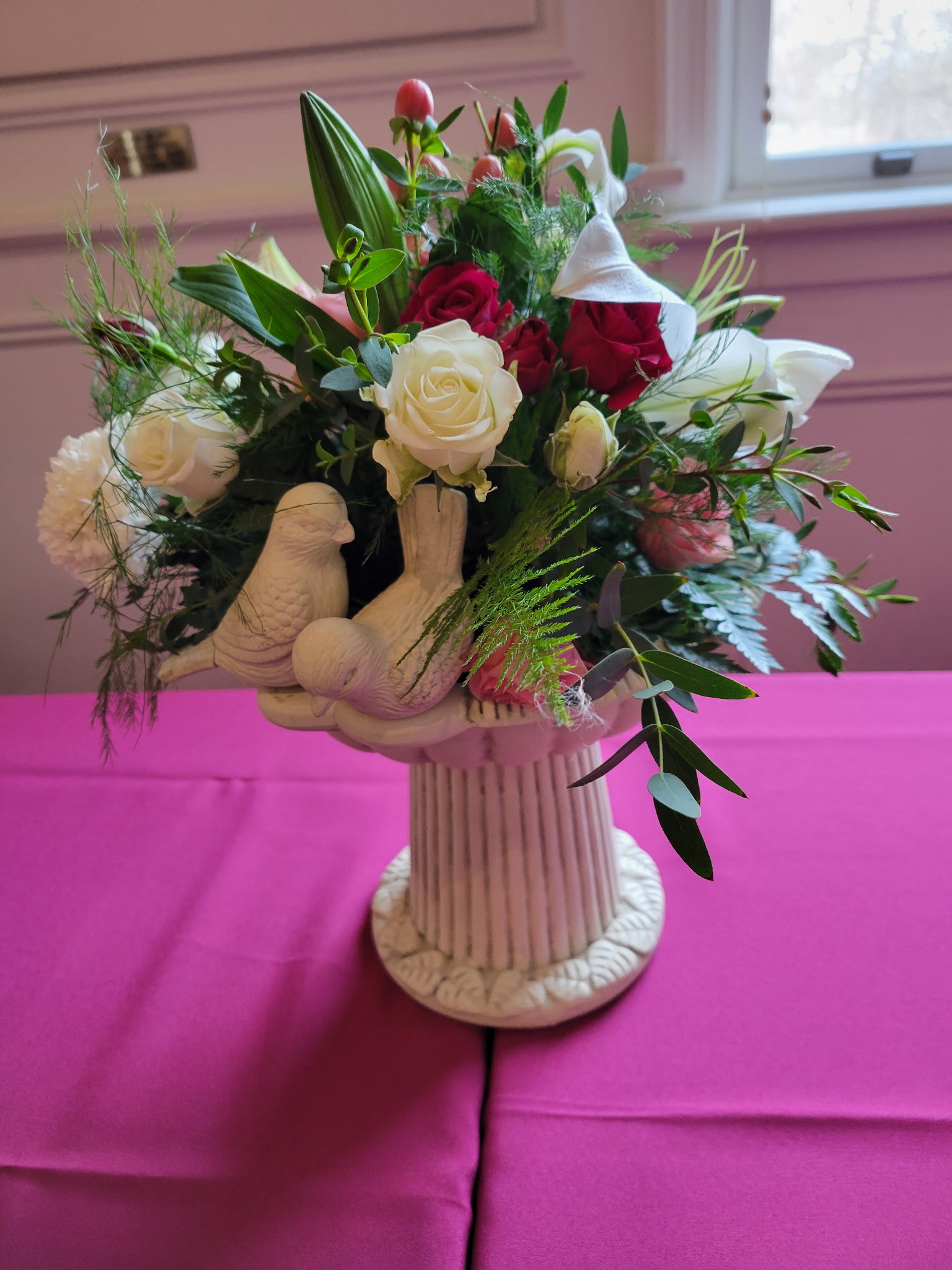
Take a visual journey through Marge’s remarkable 40-year career in floral design. This special display showcases a small portion of her stunning arrangements over the decades, highlighting her creativity, artistry, and lasting impact on the world of floral design.
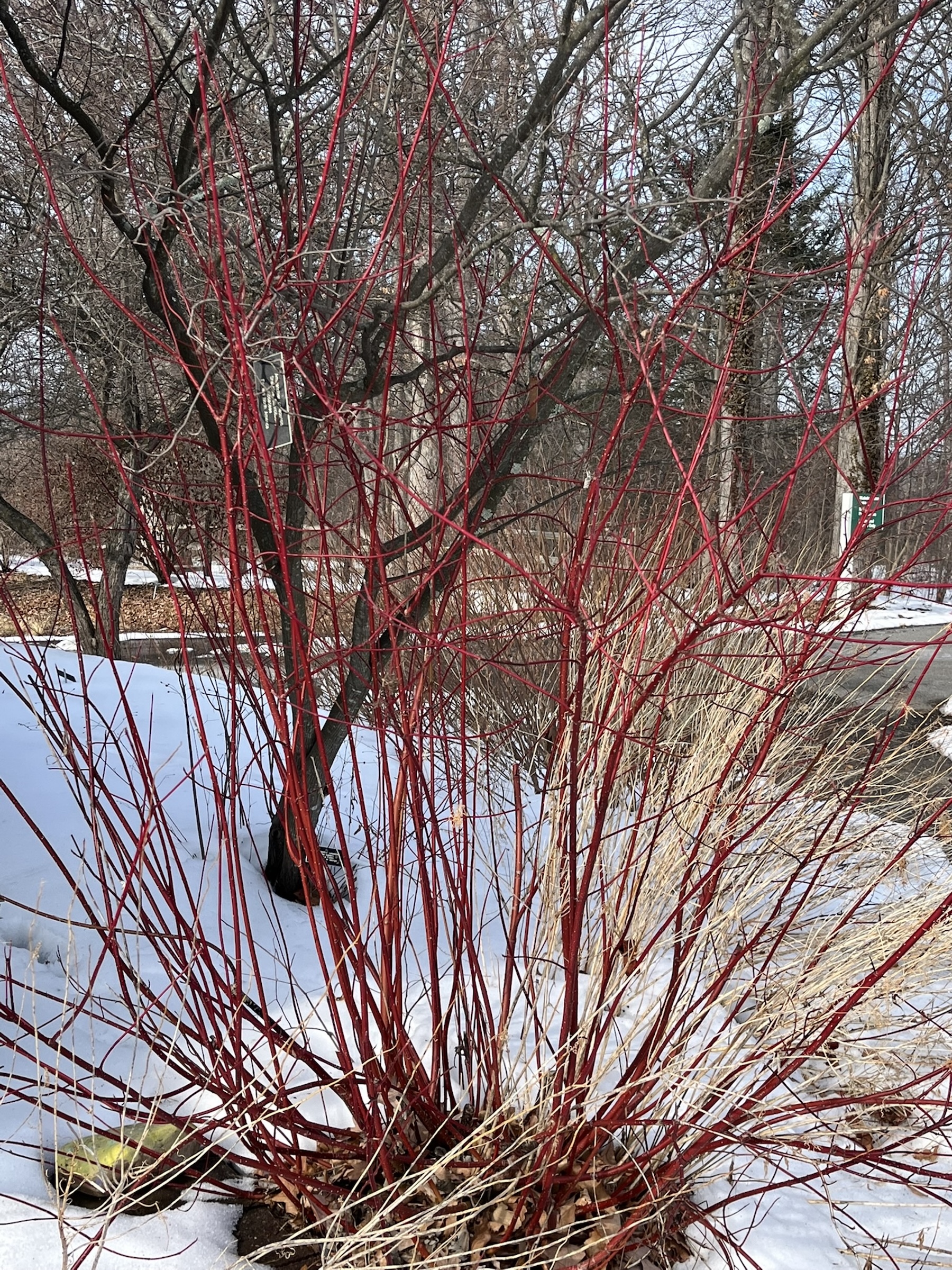
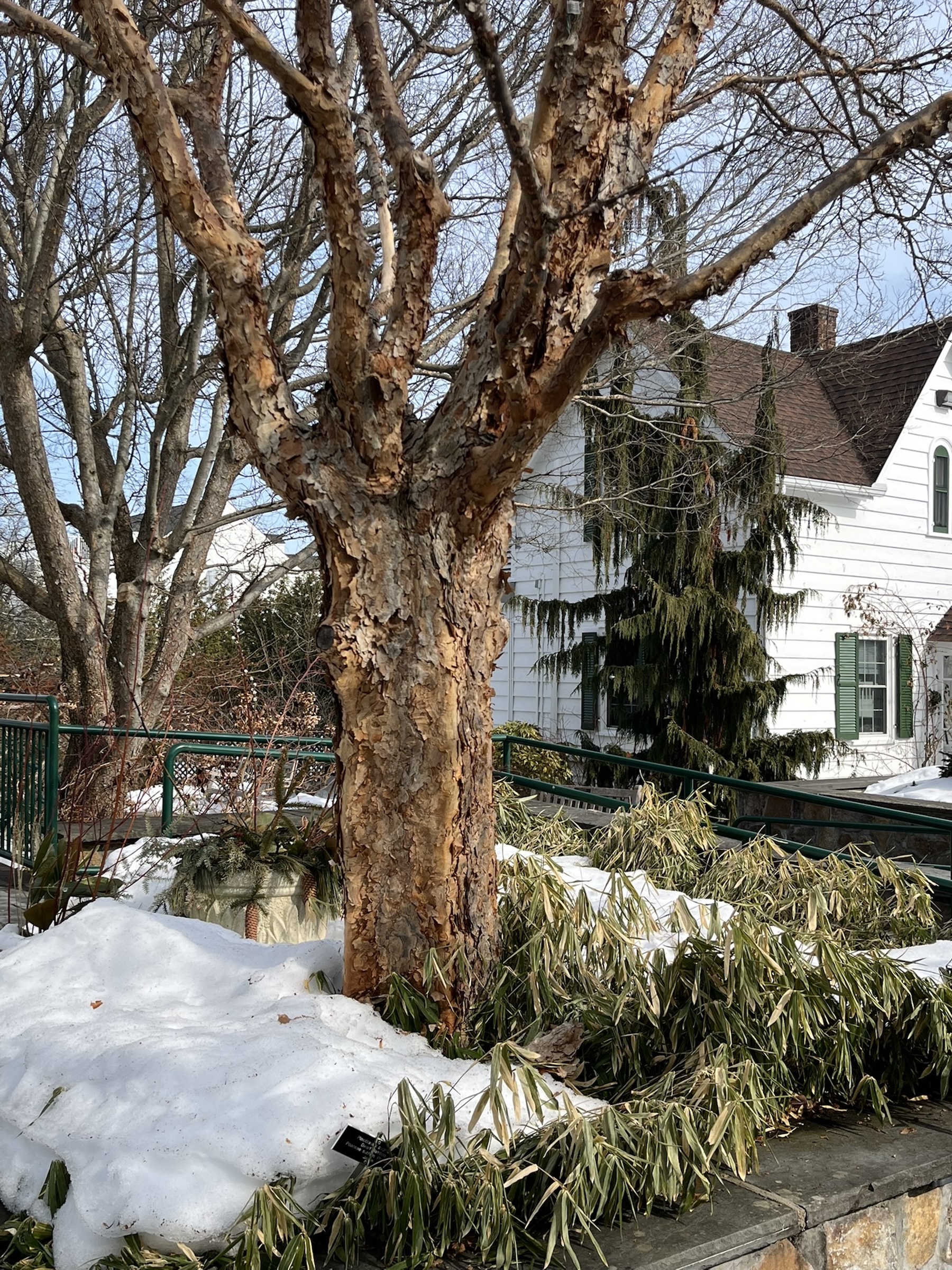
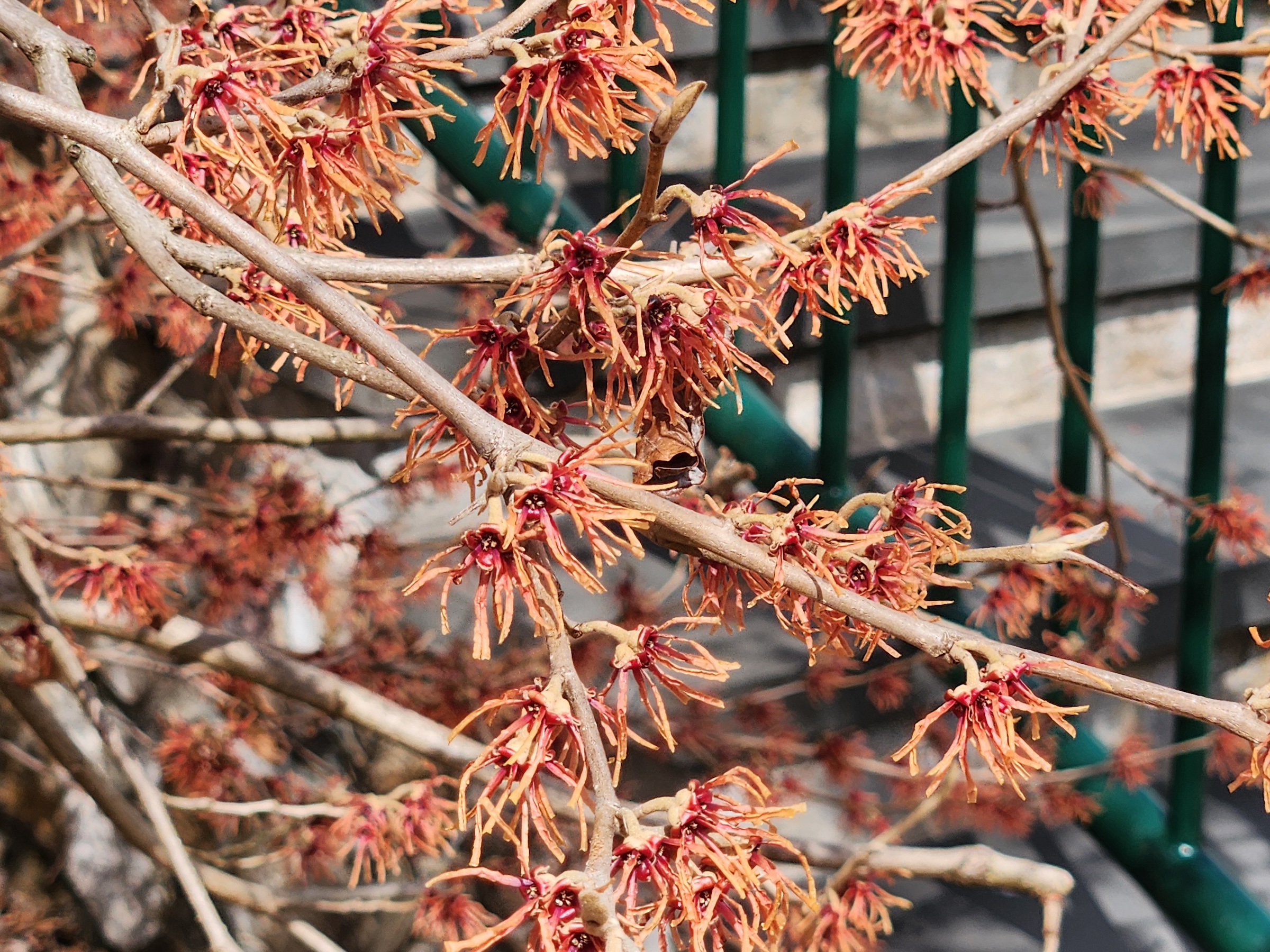
On a recent visit to the Arboretum, Lisa Bencivengo and Heather Emelander captured several lovely examples of winter interest in the garden. The red twigs of a Cornus sericea (Red Stemmed Dogwood – Lisa) and the reddish, early blooming, strappy flowers of Hamamelis vernalis (Red Imp Witch Hazel – Heather) are delightful on a late winter day, as is the exfoliating bark on the Acer griseum (Paperbark Maple – Lisa) at the entrance to the Haggerty Education Center. Subtle, but beautiful nevertheless.
Thanks, Lisa & Heather!
Explore these trees, shrubs, and seasonal highlights in our Garden Drop Video Series on our YouTube Channel — your source for year-round garden inspiration.
The annual Benjamin Blackburn Scholarship Lecture was held on Saturday, February 7 in the Haggerty Education Center at The Frelinghuysen Arboretum.
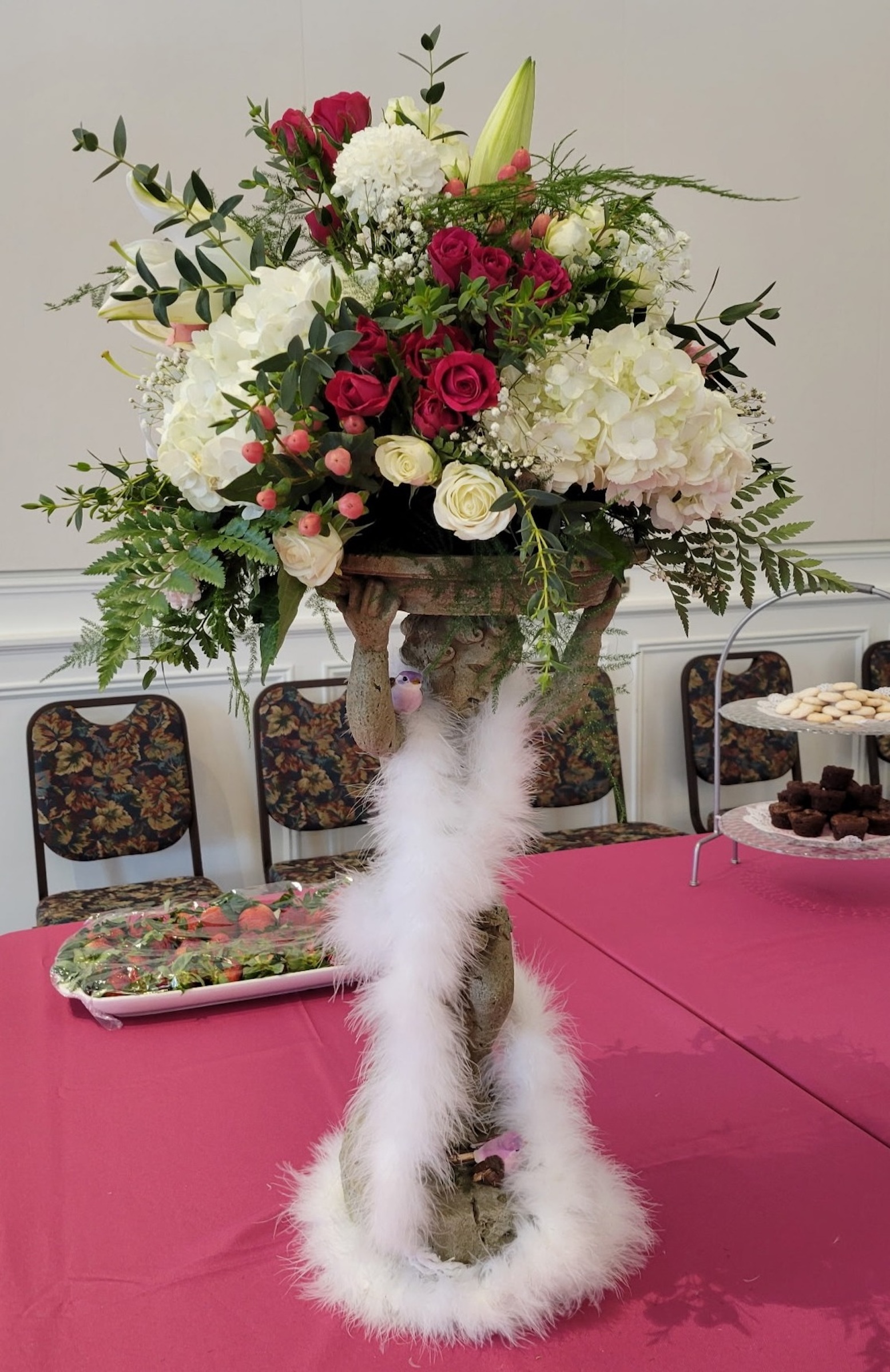
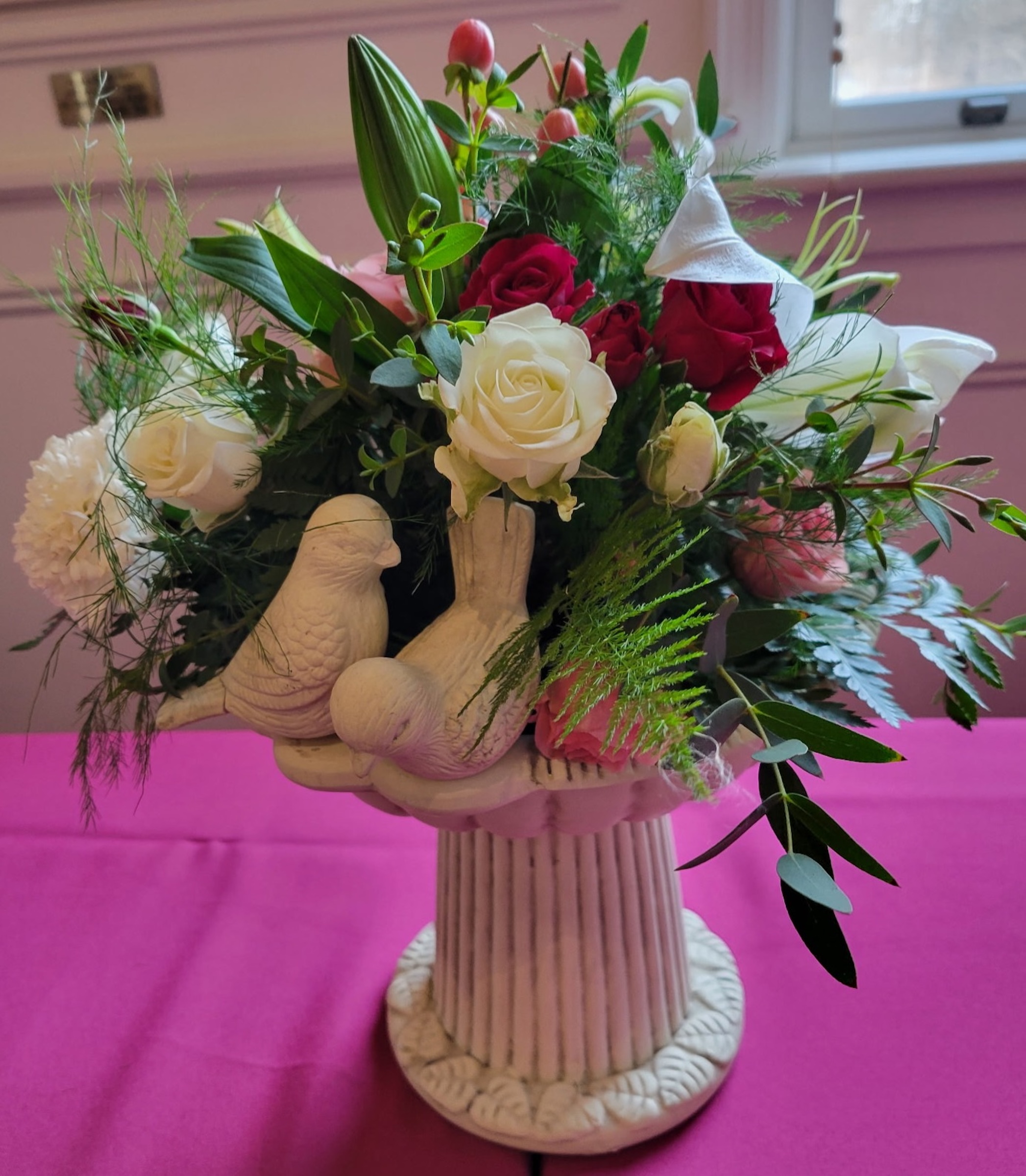
We want to thank all volunteers who helped make this program enjoyable for everyone in attendance by making sure everything ran smoothly. Thanks also to Marge Hulstrunk, who created the lovely centerpieces on the food and beverage tables.
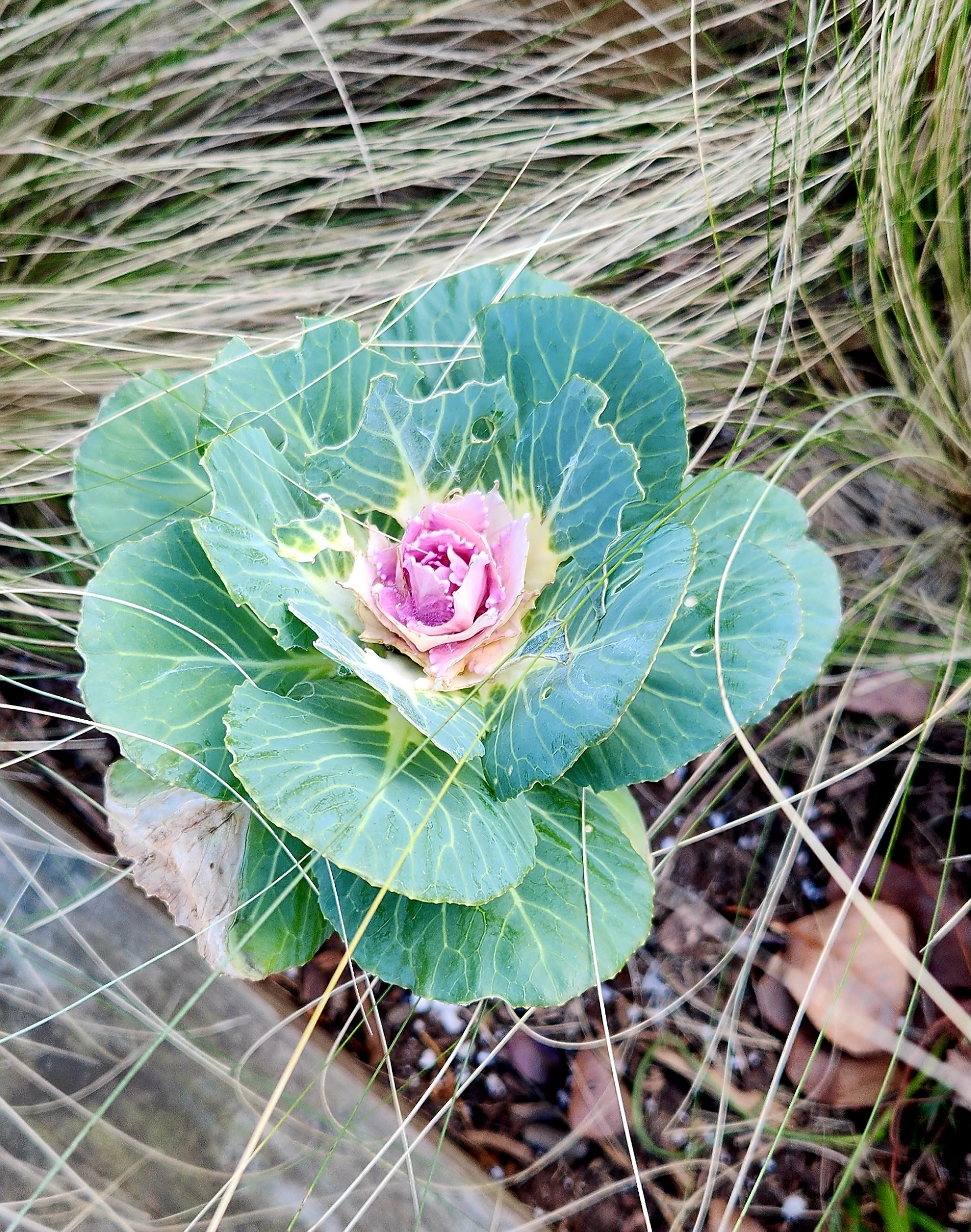
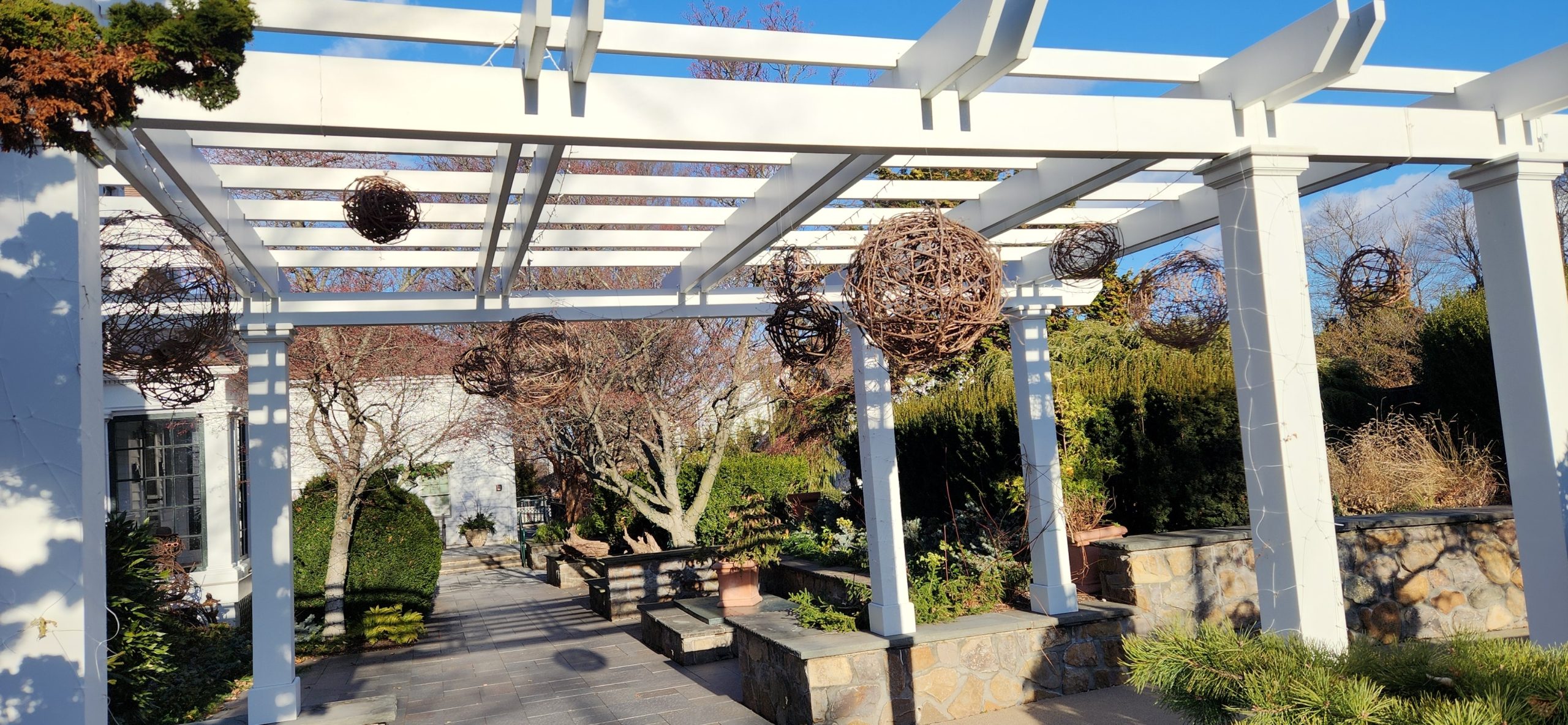
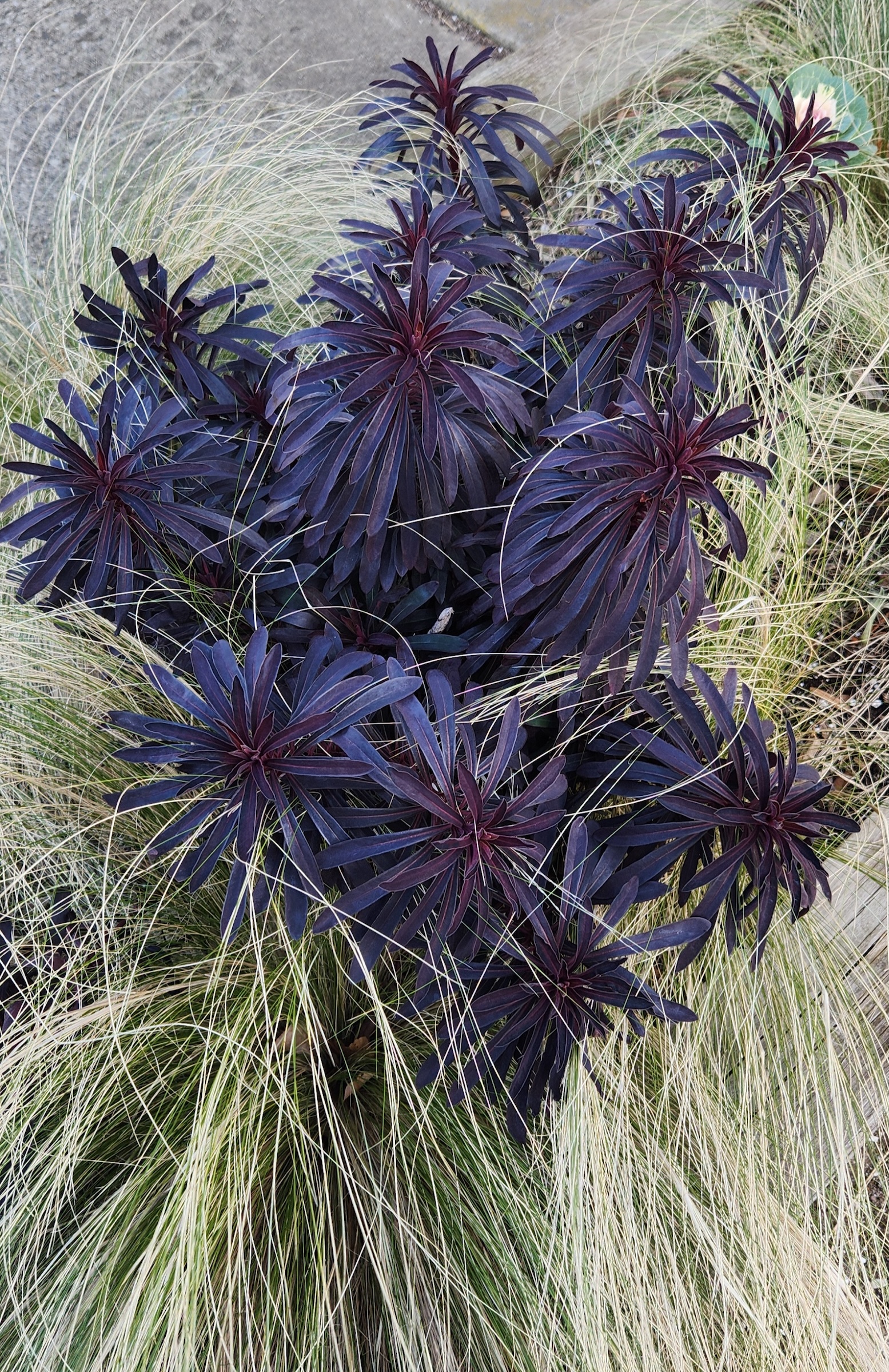
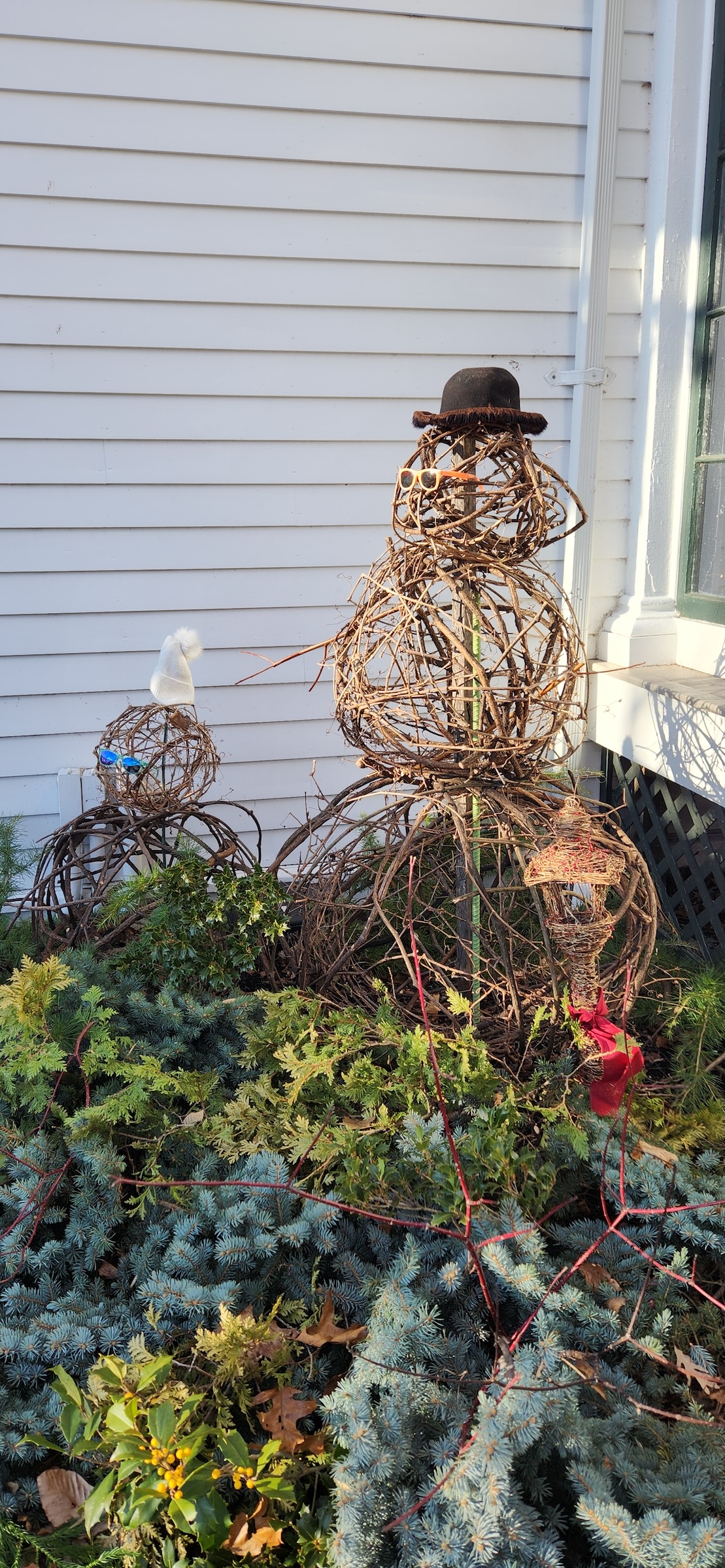
A recent visit to the Arboretum on a cold, windy day was short, but enjoyable. A striking dark leaved Euphorbia was a surprise as was the pastel-hued ornamental cabbage, both nestled among thin leaves of grass. The arbor was decorated with a series of grapevine globes and a whimsical pair of grapevine “snowmen” greeted me on the way into the Haggerty Education Center.
Even on a chilly, early winter day, there was beauty to be found. Plan a visit soon!
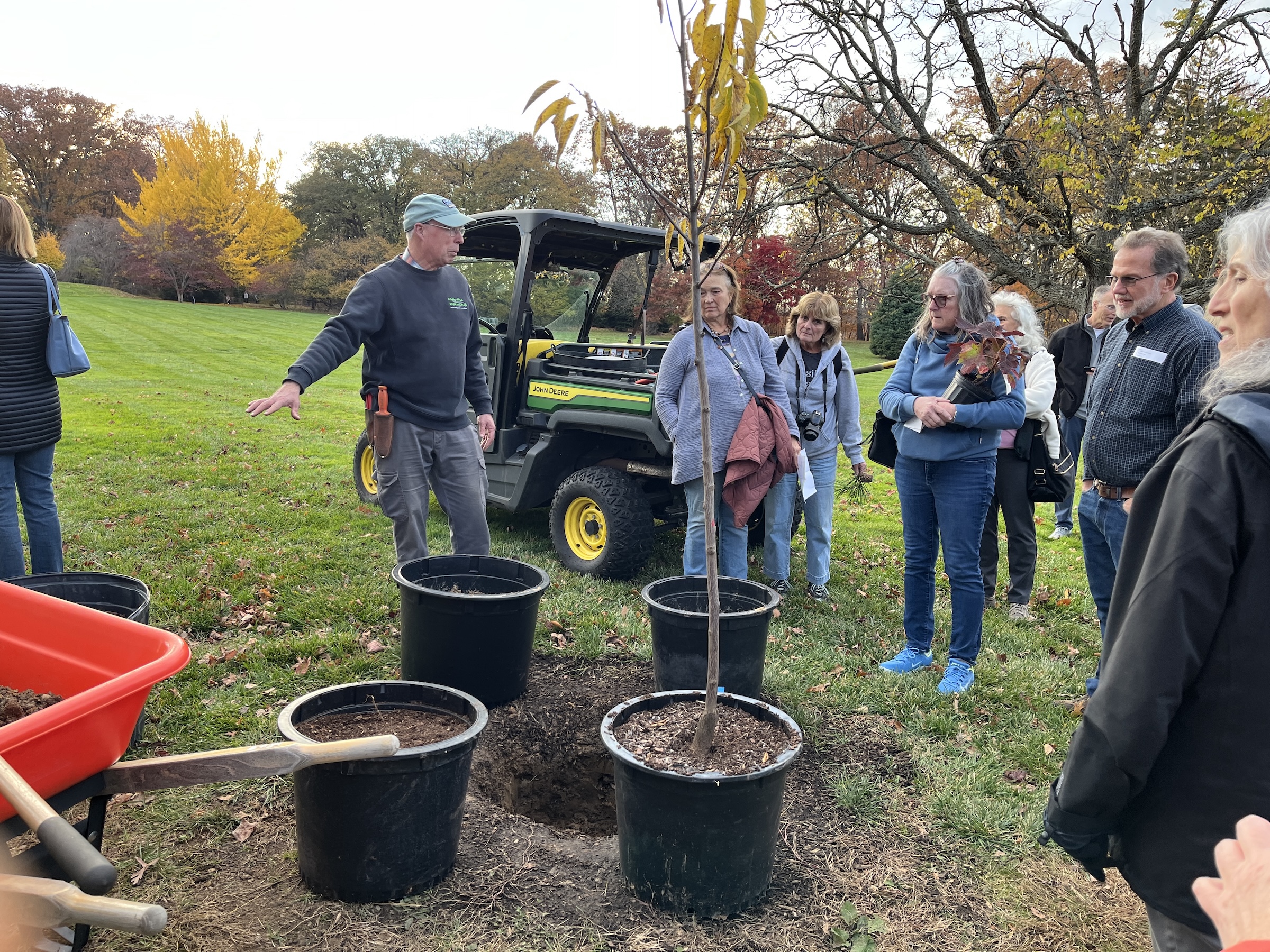
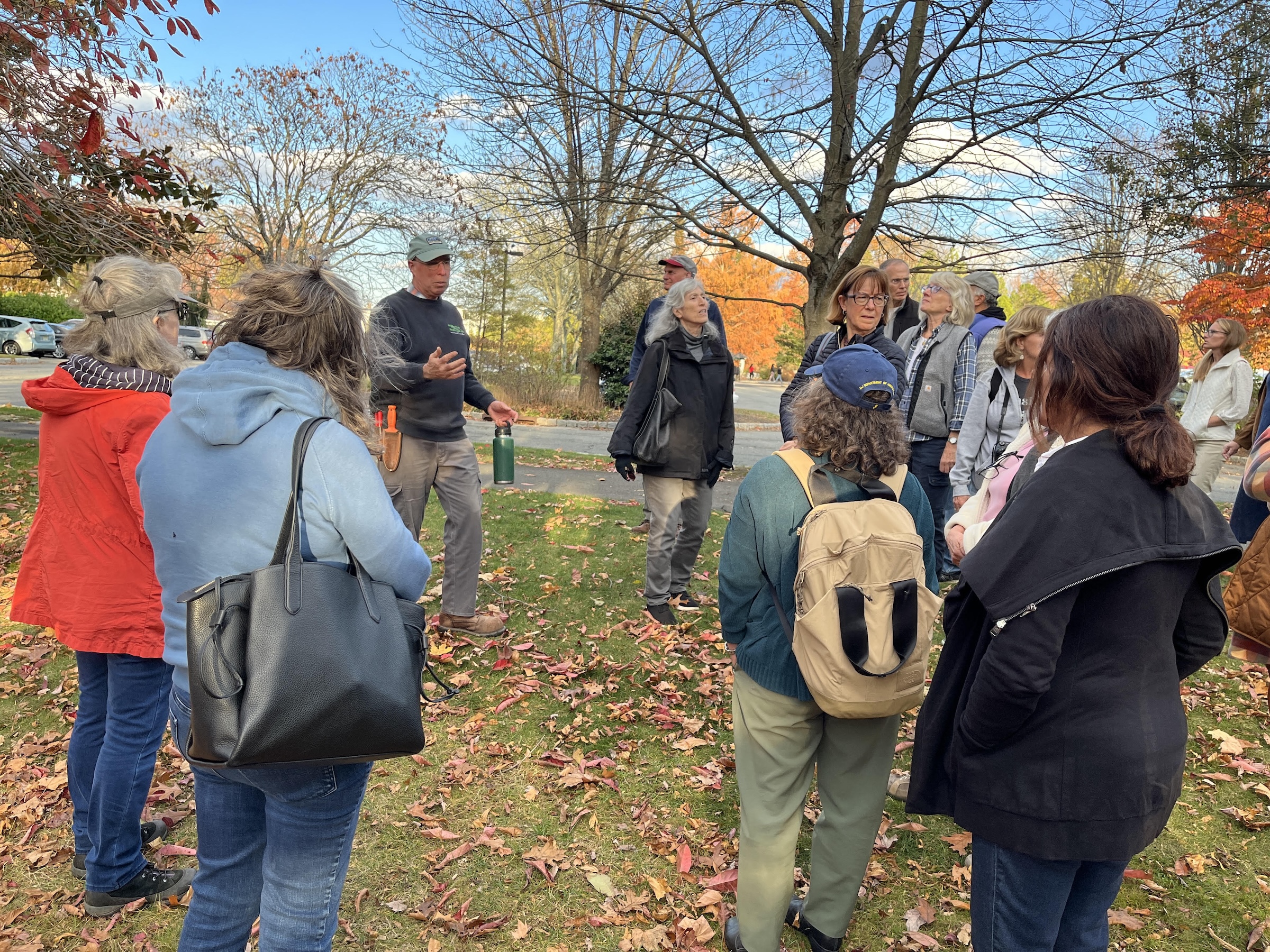
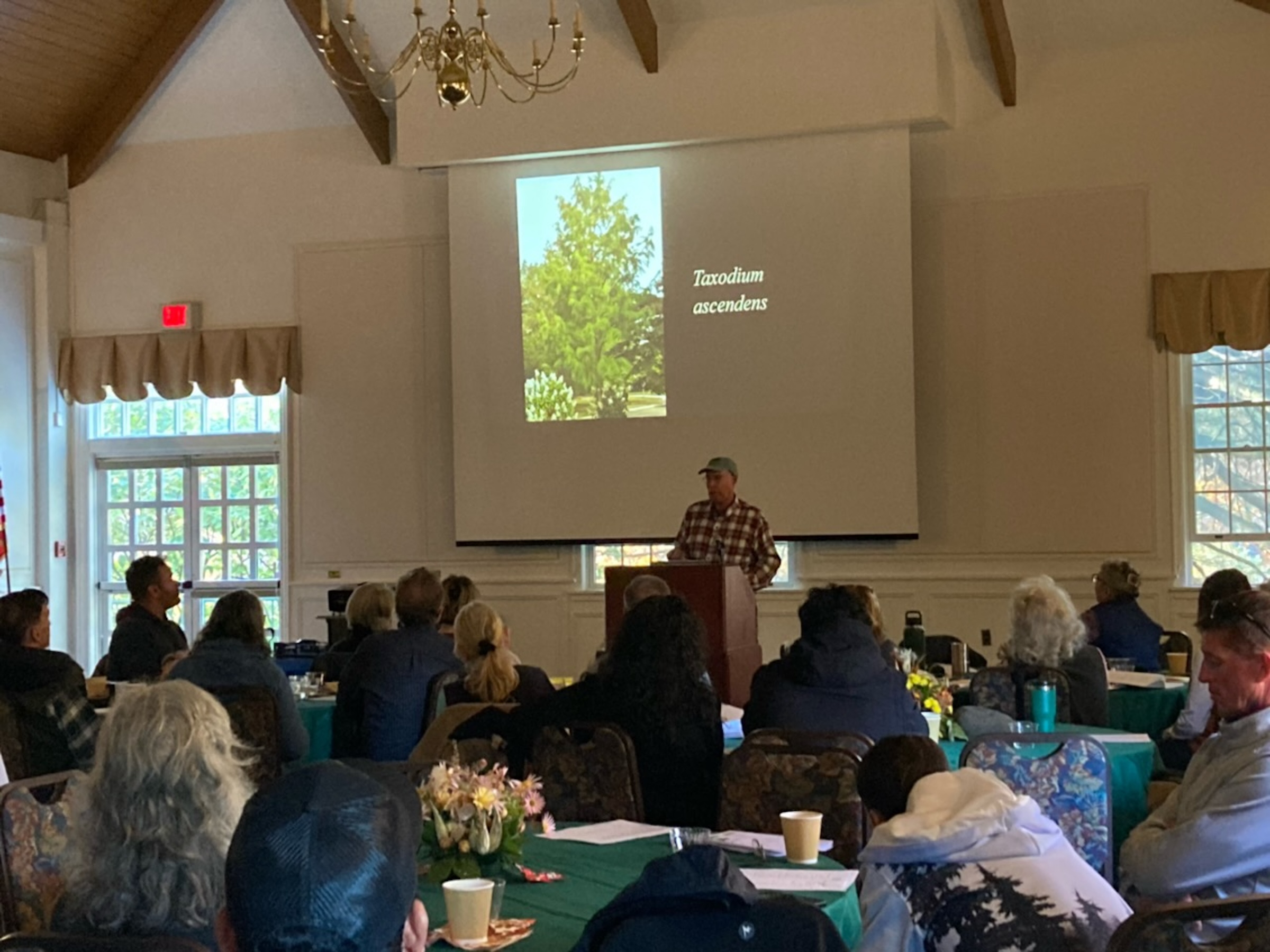
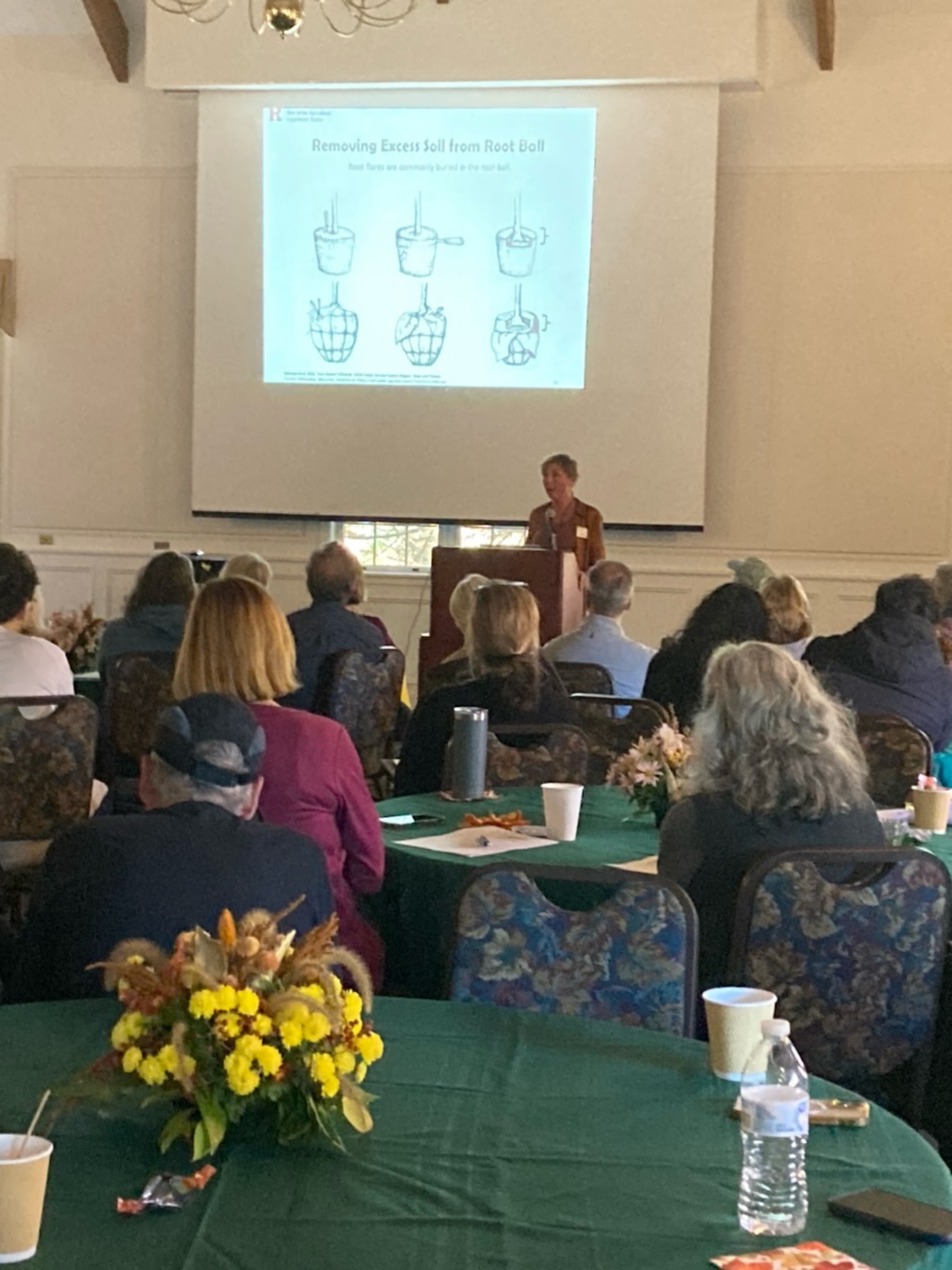
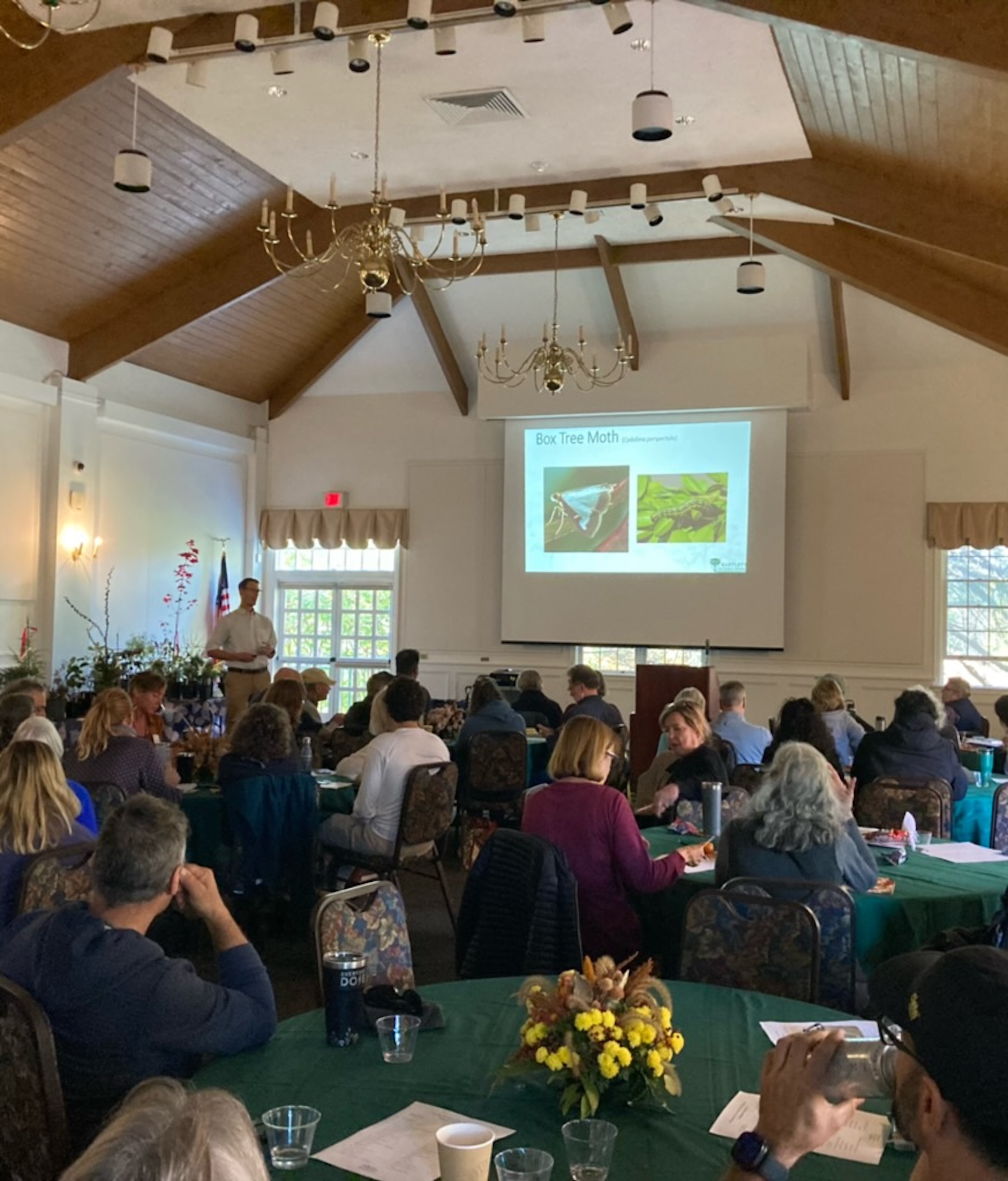
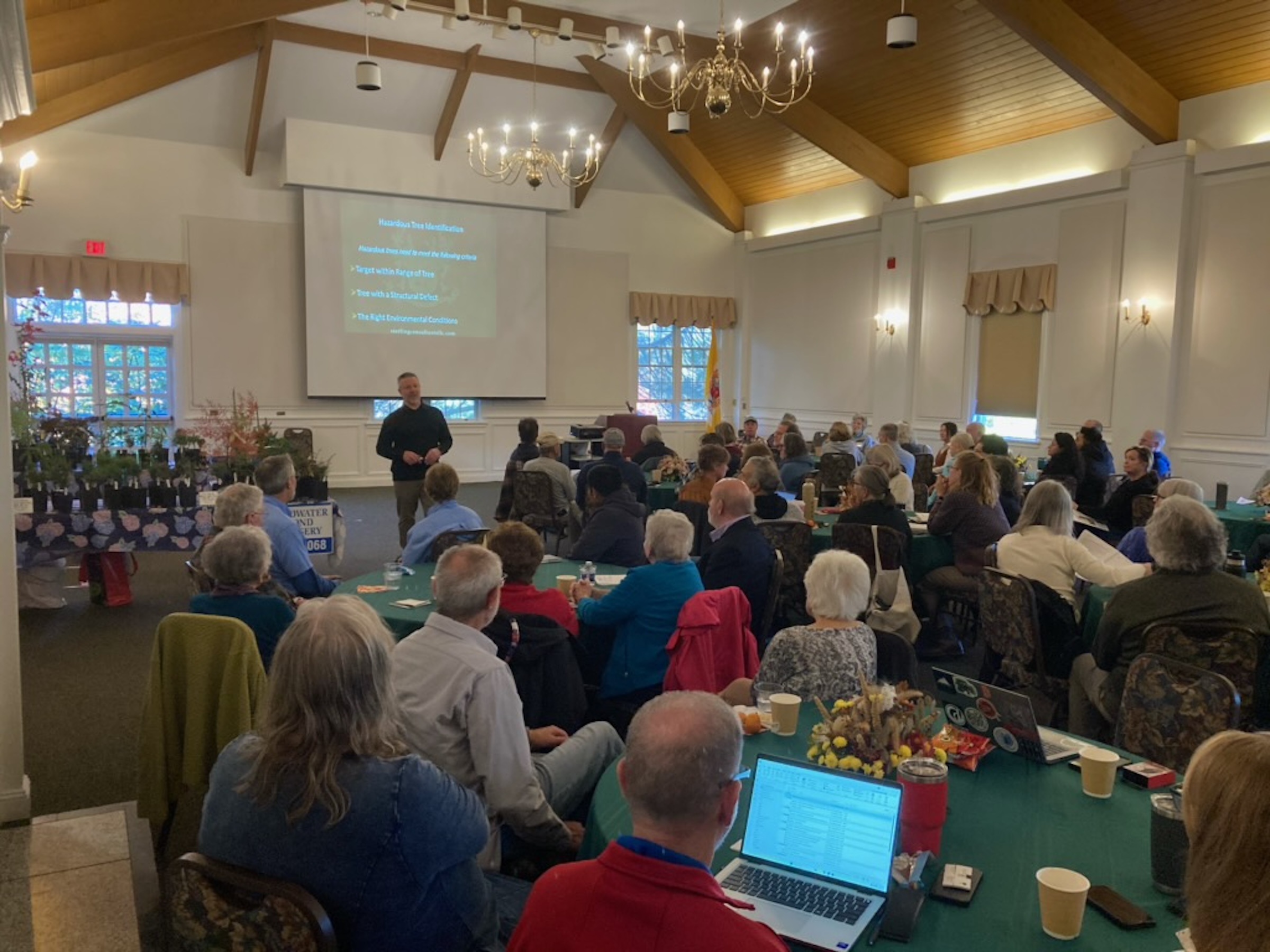
Saturday’s Tree Symposium was a big success, judging by the enthusiastic comments from 70 participants. Four excellent speakers engaged the audience with the latest information on the impact of trees in our environment, as well as the challenges facing their survival. Bruce Crawford, MCPC Garden Manager, gave the final talk on special trees at the Arboretum and led a walking tour to point them out. At the end, he demonstrated best practices for tree planting at the edge of the great lawn in front of the mansion. We are grateful to Bartlett Tree Experts for sponsoring the event and donating the tree that was planted. Read more in the upcoming issue of Arboretum Leaves. Judy Snow
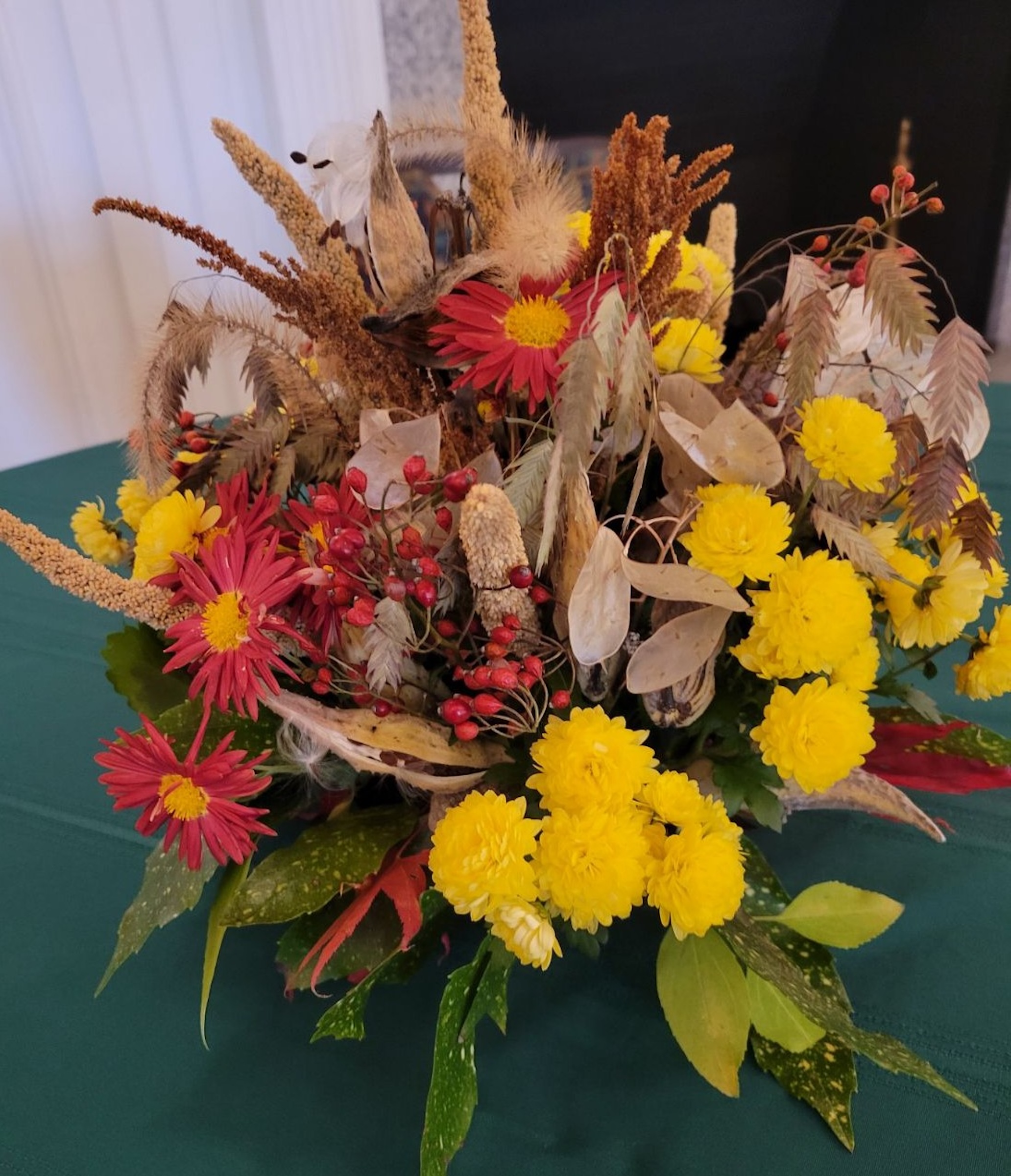
Thank you to Marge Hulstrunk and Russell Gatzke for the lovely table arrangements, see photo.
Thanks to Kathy Kirk for the photos of our speakers and to Judy Snow for the photos of Bruce Crawford on the tour and tree planting.
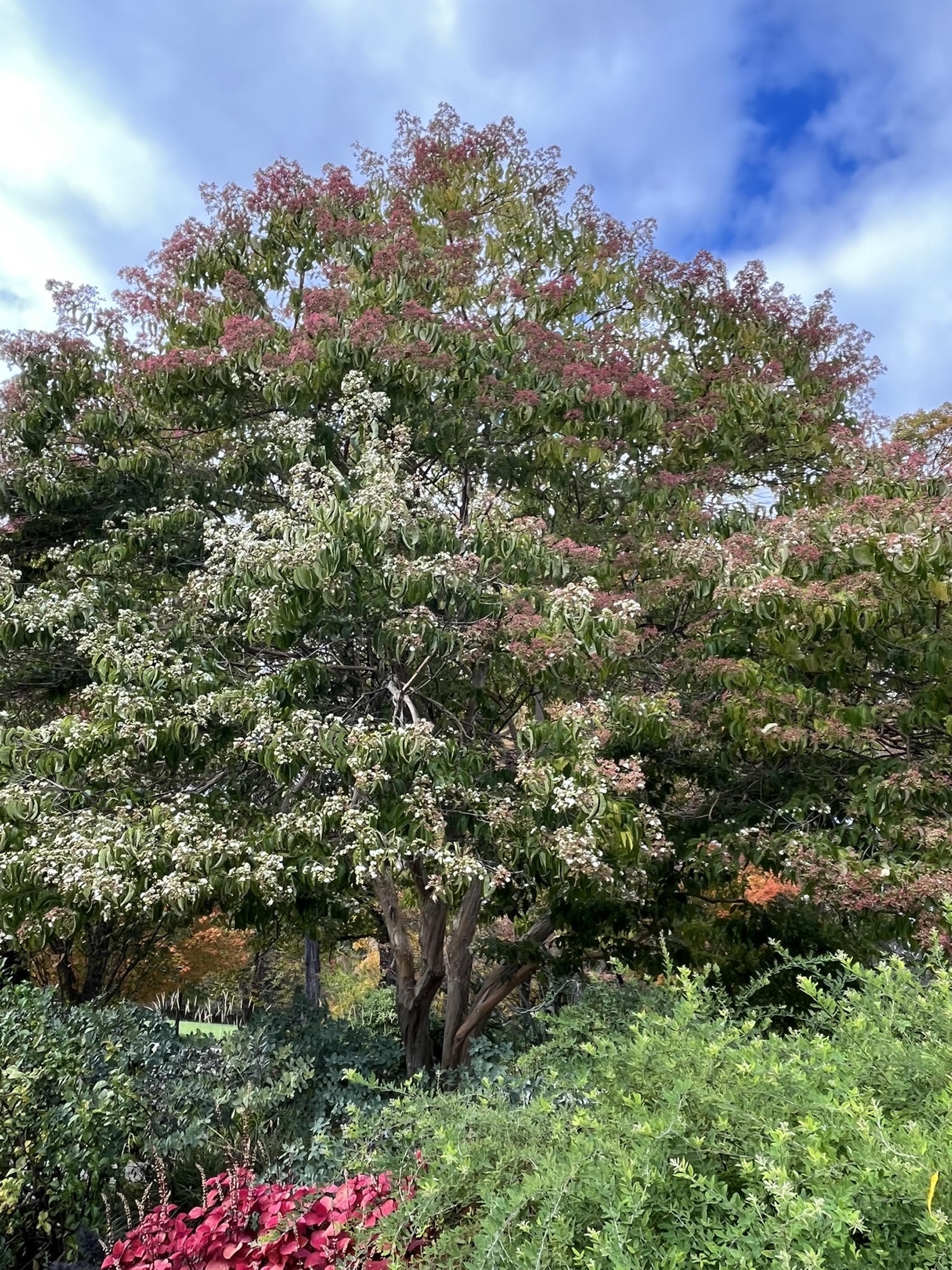
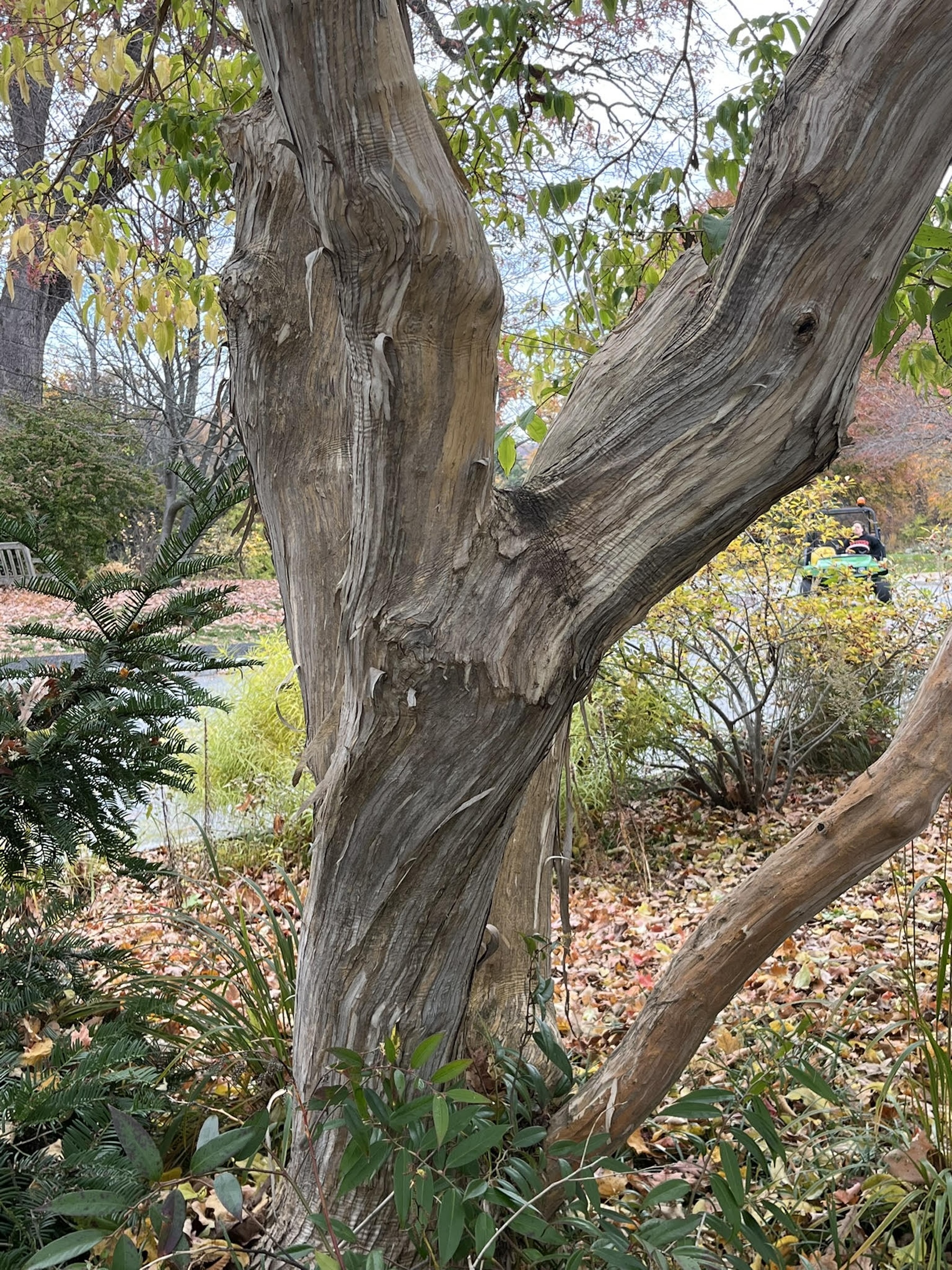
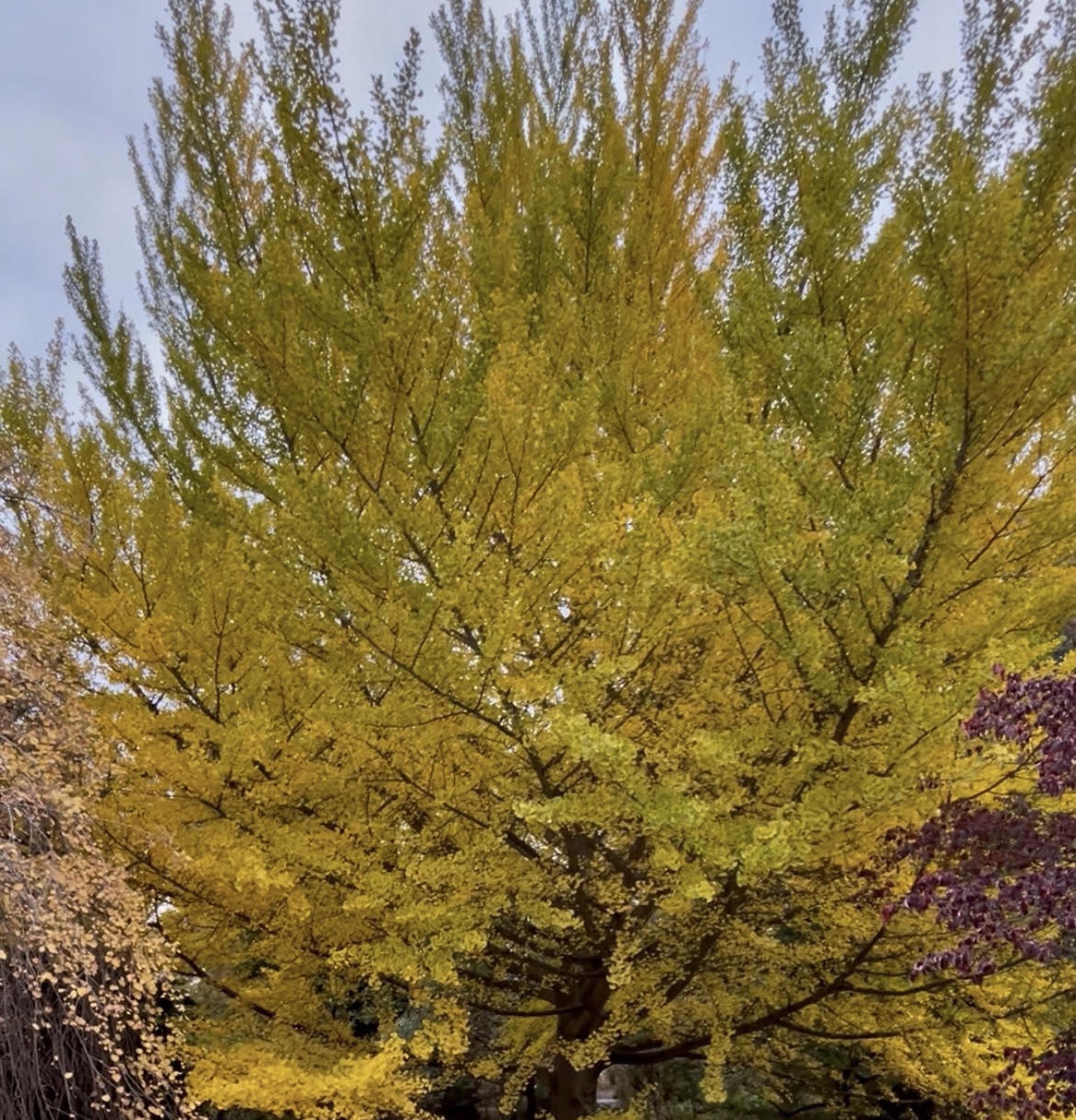
Here are some photos of trees in the Arboretum’s collection that will be talked about during the Symposium.
Heptacodium miconioides, or Seven-Sons-Tree, a member of the honeysuckle family and native to China, has creamy white scented flowers, each with a showy red calyx and a beautiful exfoliating trunk. The specimen at the Arboretum is a NJ State Champion Tree.
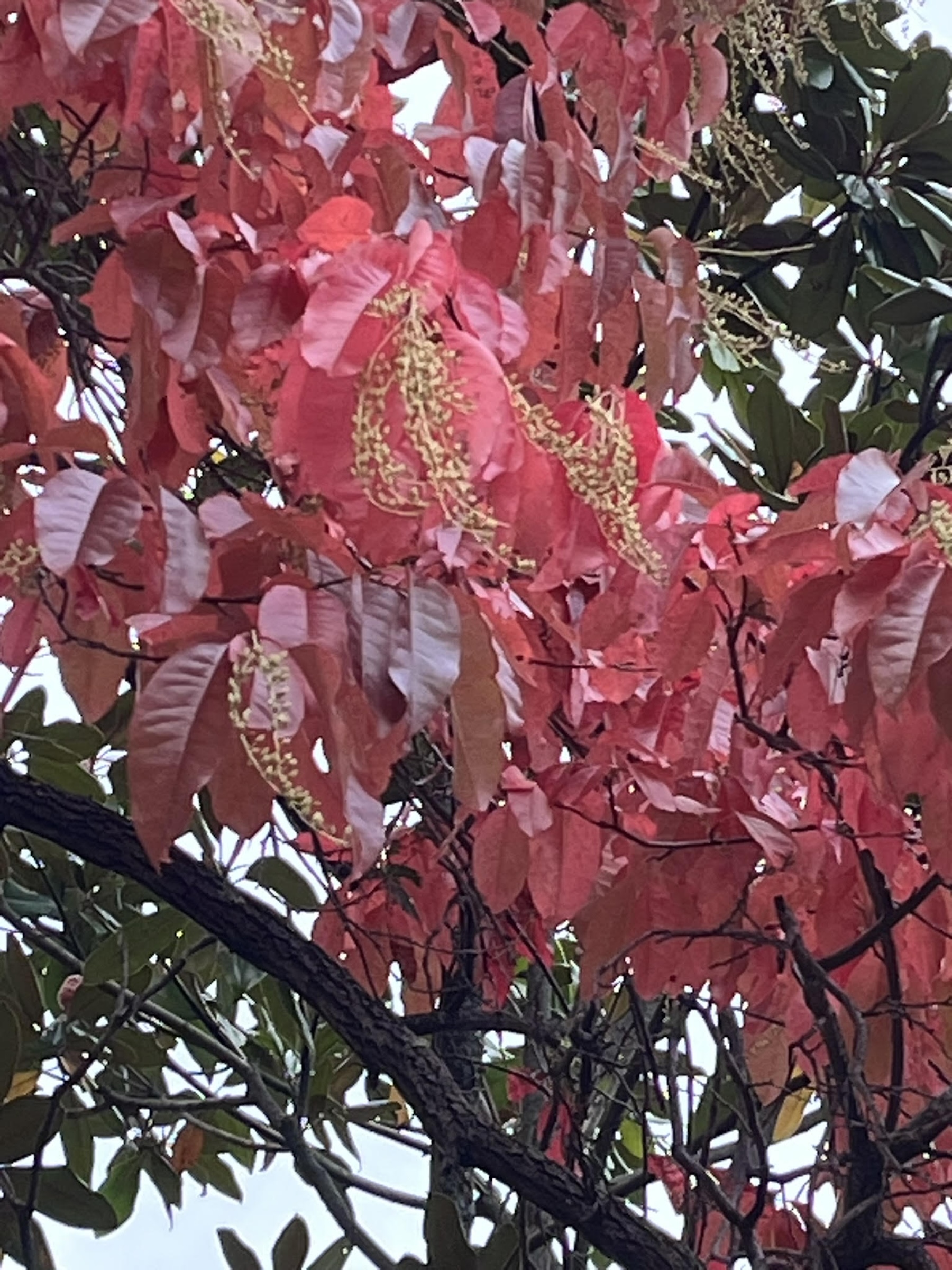
Oxydendrum arboreum, or Sourwood, a member of the Heath family and native to the East Coast of the United States, exhibits canoe shaped leaves, pendulous flower racemes and striking red fall color.
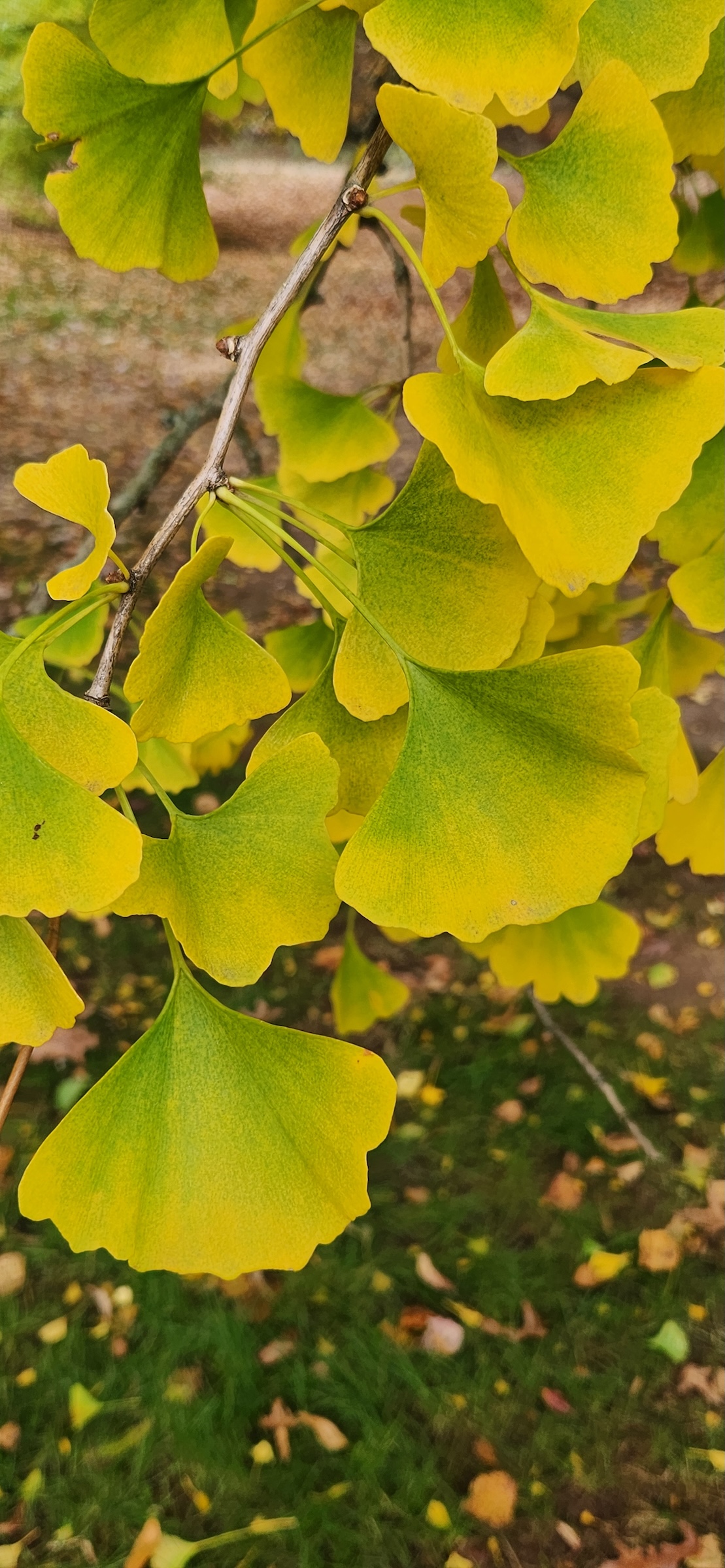
Ginkgo biloba, known as Maidenhair Tree, is a large shade tree native to eastern China with fan-shaped leaves that turn a lovely, lemony yellow color in fall. There are Ginkgo fossils dating back over 270 million years!
Thanks to Lisa Bencivengo for all photos, except Margery’s closeup of Ginkgo leaves.
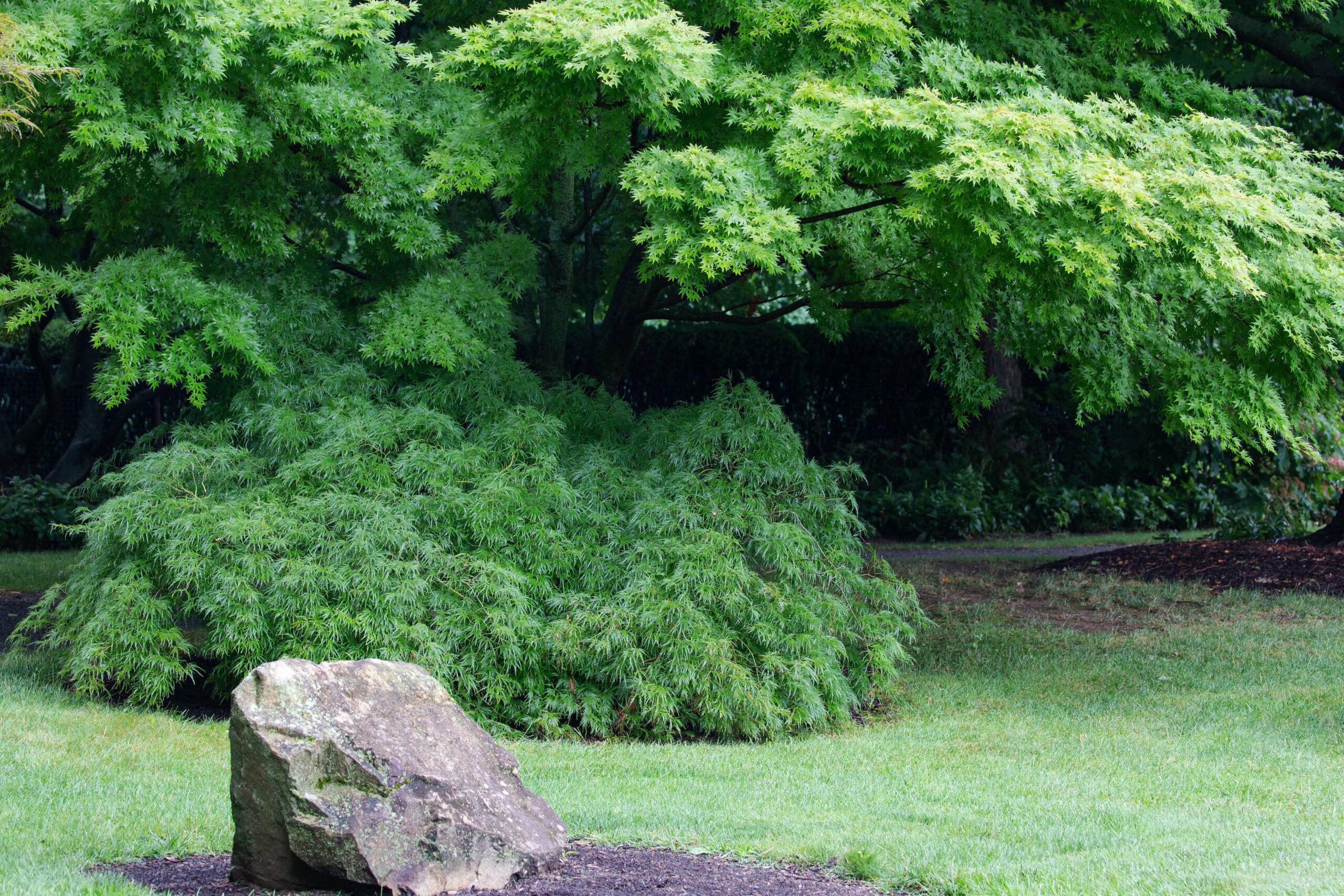
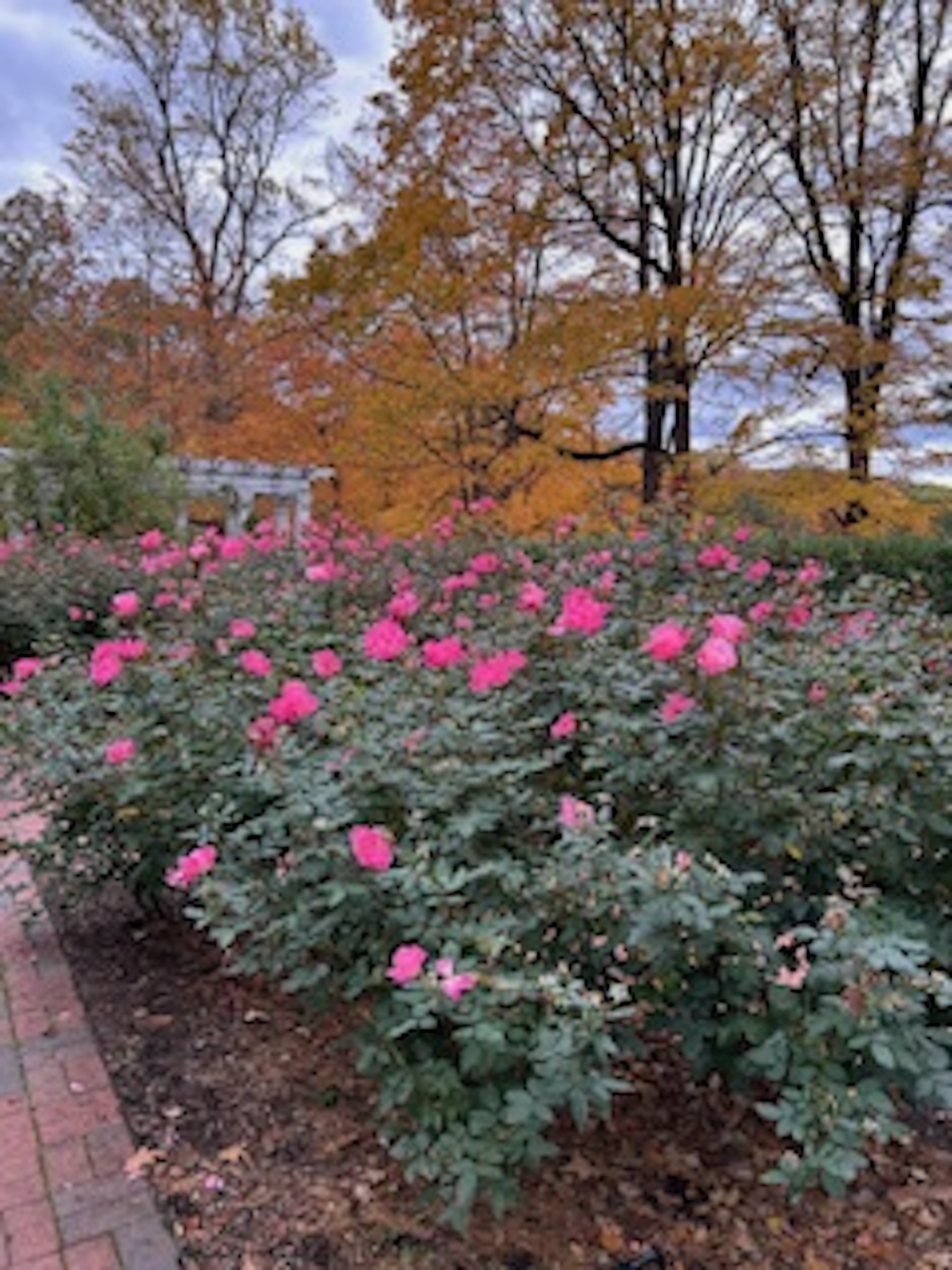
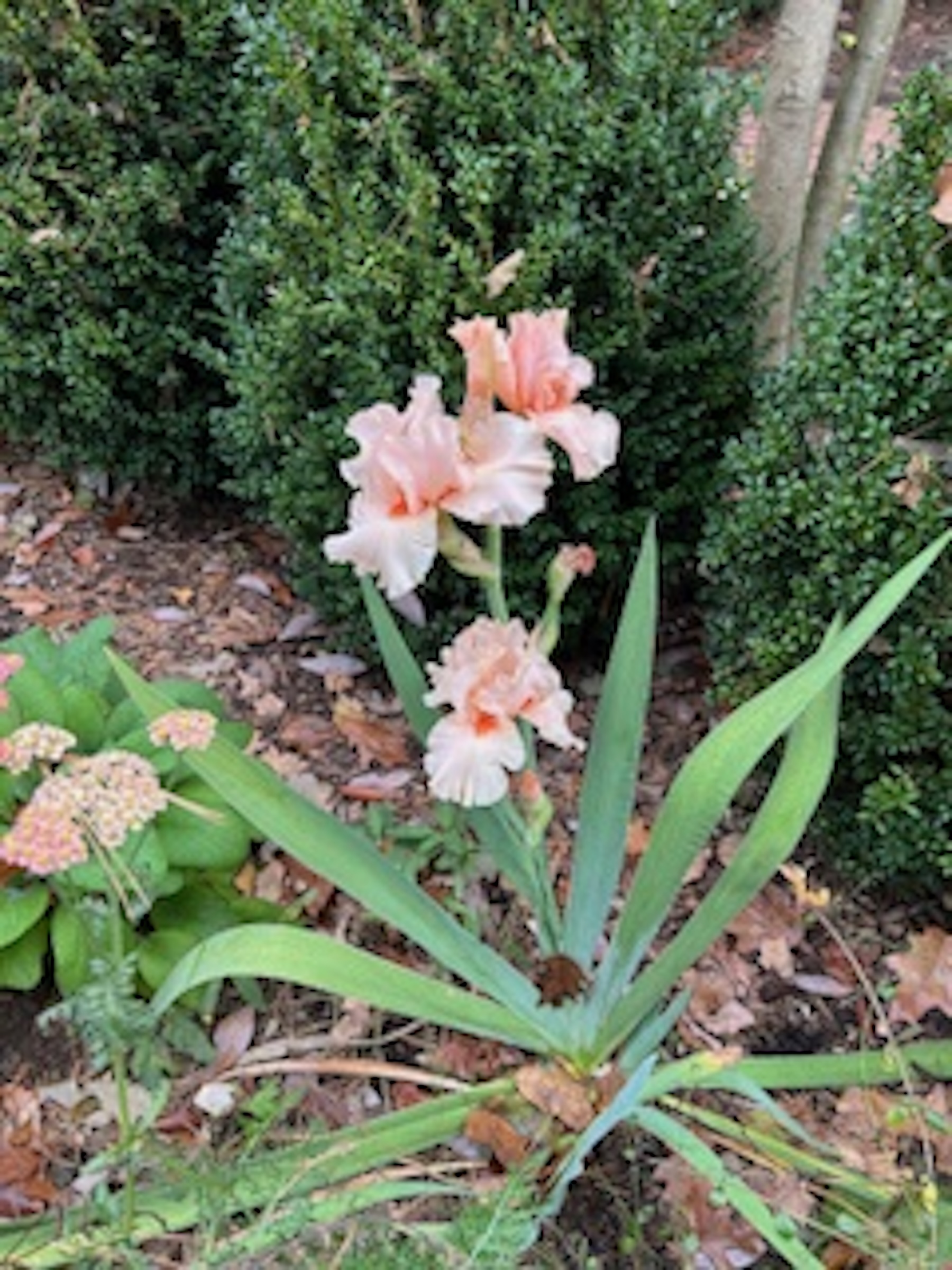
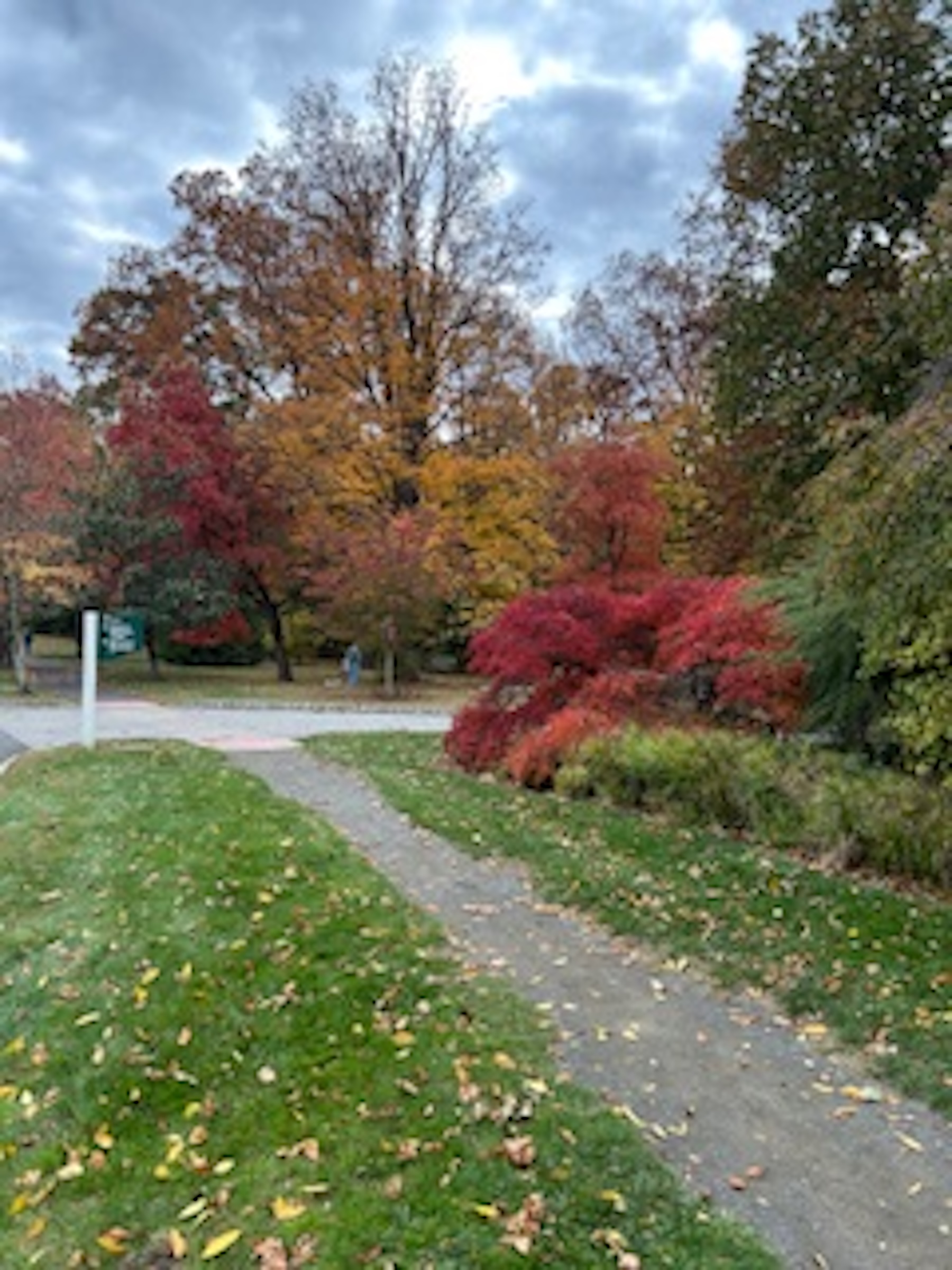
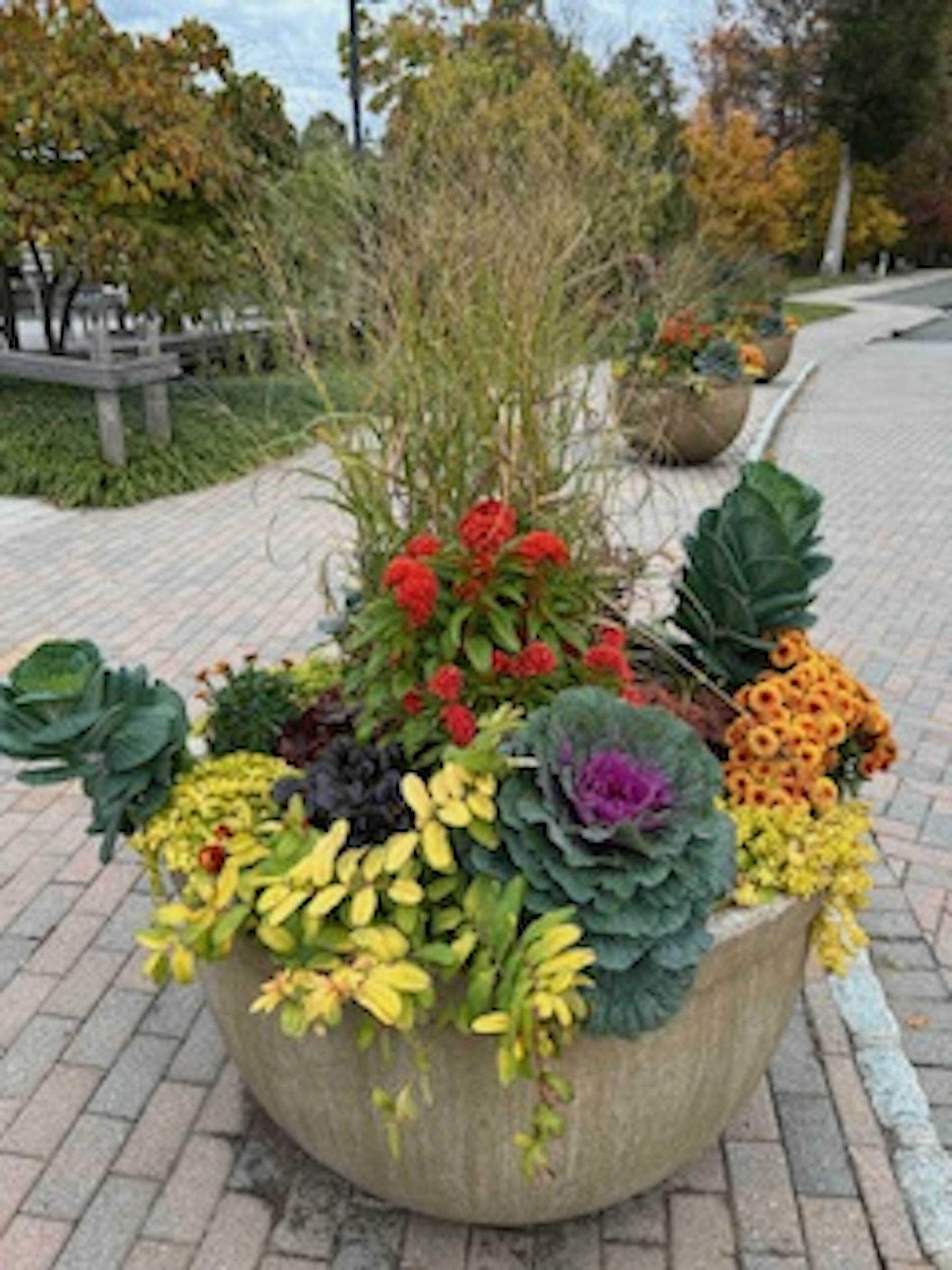
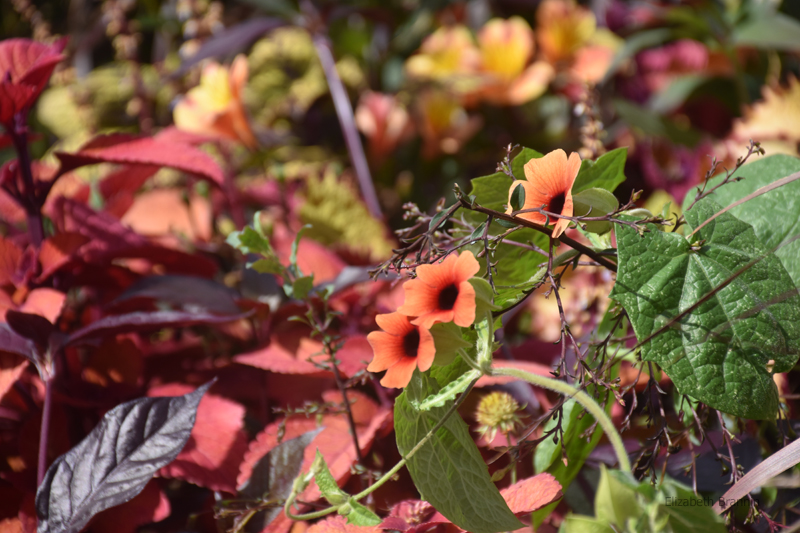
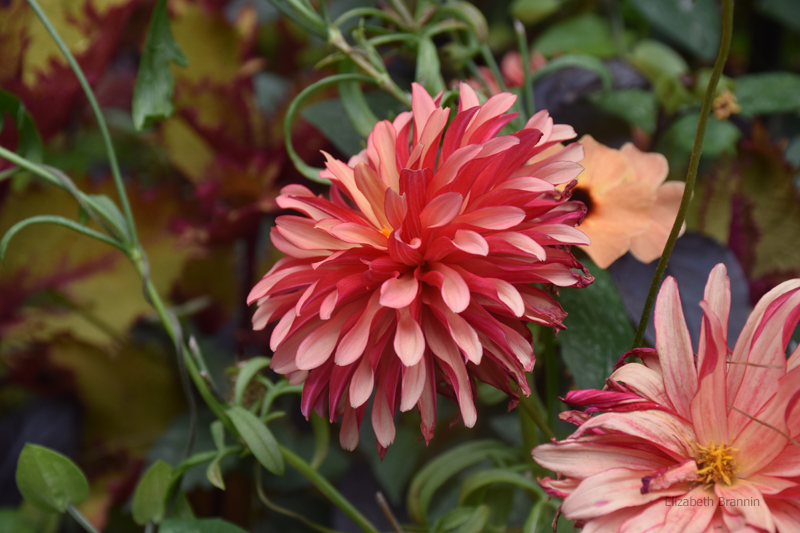
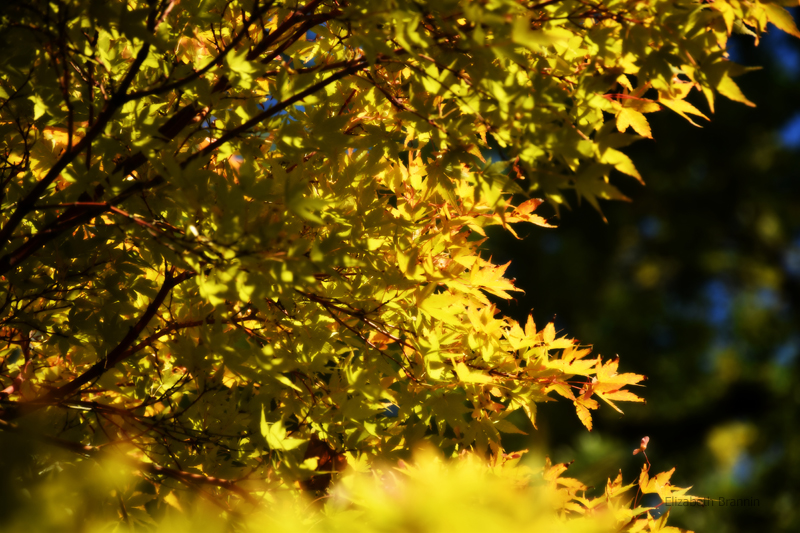
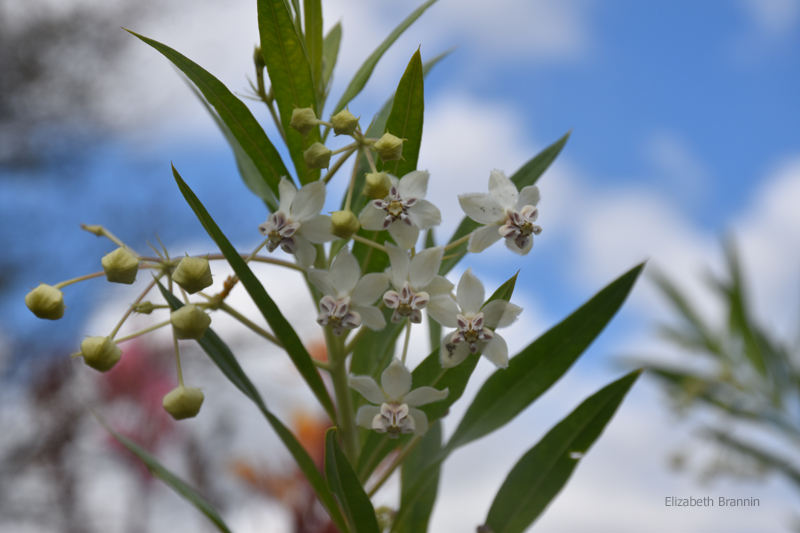
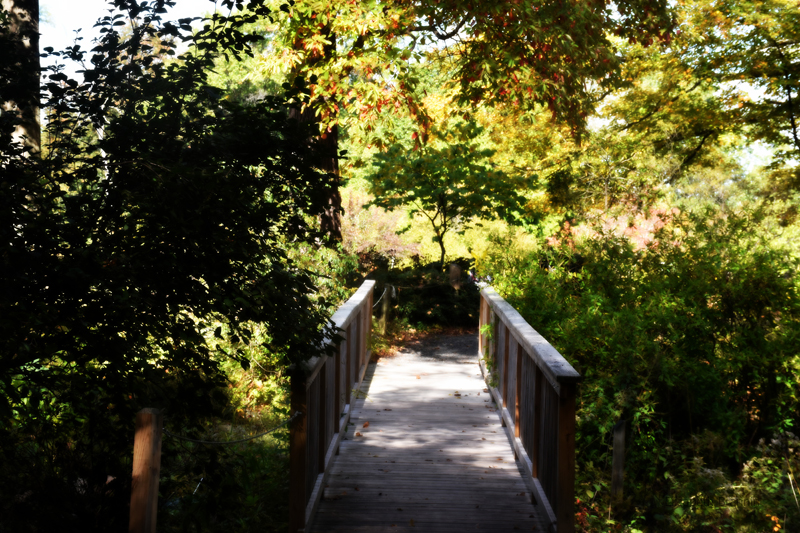
Member Deborah Holz recently visited the Arboretum and shared some of her photographs with us. The calendar may say late October, but Deborah found a lovely pale pink Iris in full bloom, as well as Roses in full bloom in the garden behind the Mansion – don’t they look beautiful with the fall foliage as a backdrop? The Japanese Maples are donning their colorful fall coats and a planter with ornamental cabbage, grasses, chrysanthemums, etc. is a bright spot on the sidewalk going towards the Haggerty Education Center.
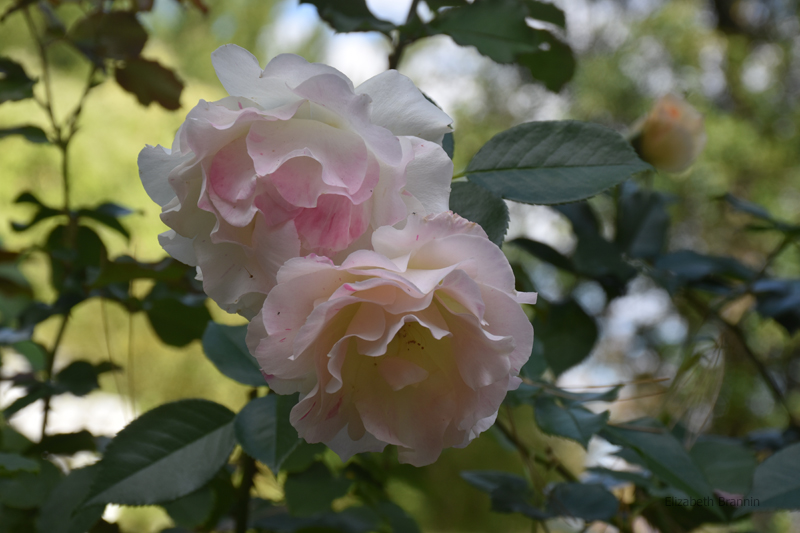
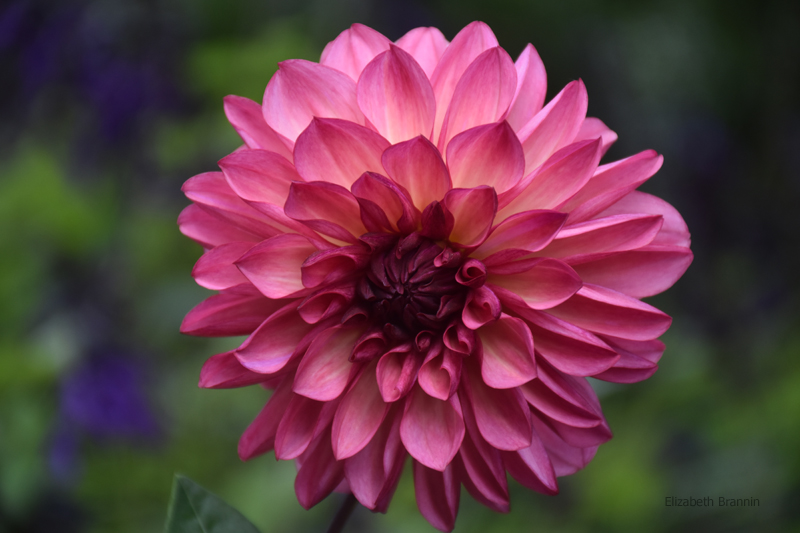
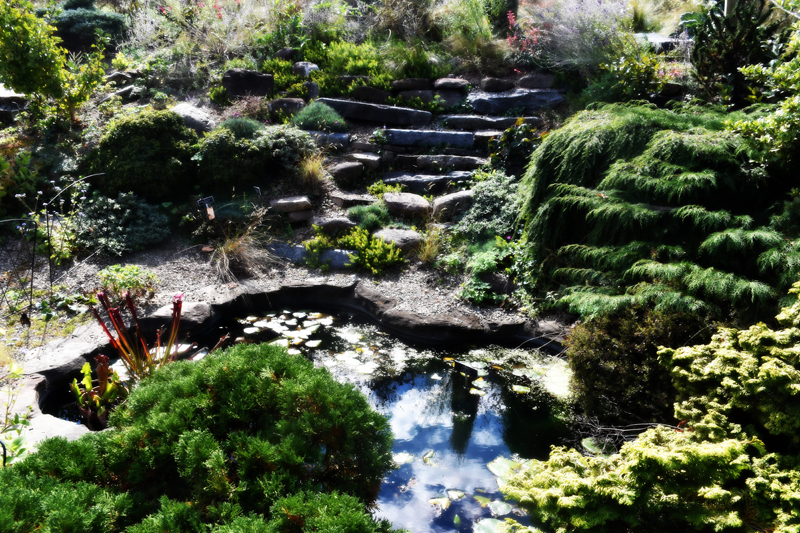
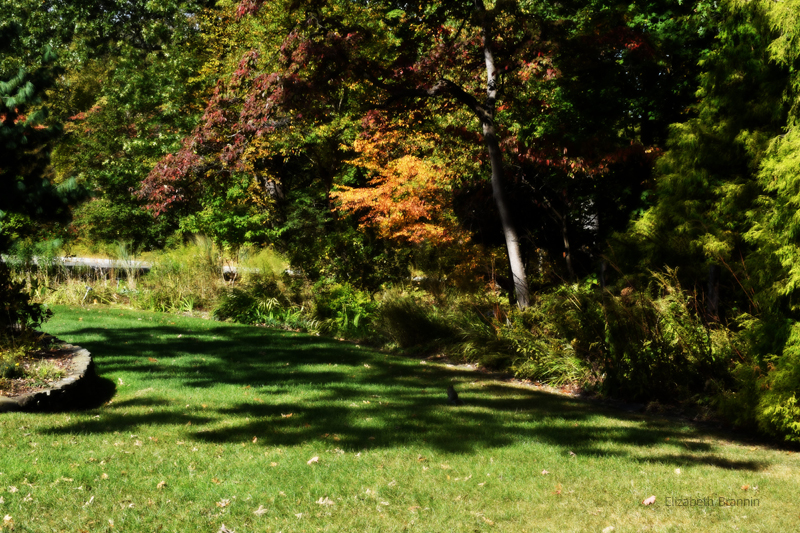
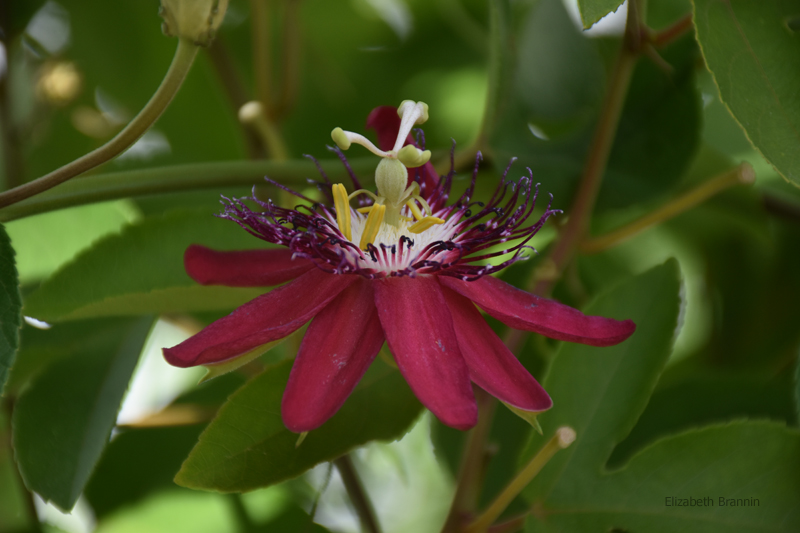
Frequent contributor Elizabeth Brannin sent these beautiful pictures recently, together with this note:
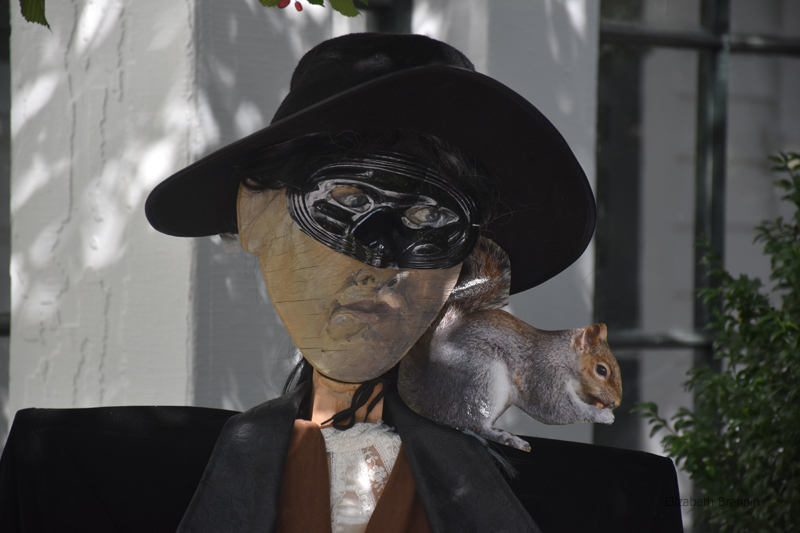
“I was at the arboretum on Friday. It was magnificent, the flowers were just breathtaking. Autumn was in the air and the colors were just starting to show. The scarecrows are so festive. “
Thanks, Elizabeth for the nice glimpse of Fall at the Arboretum.
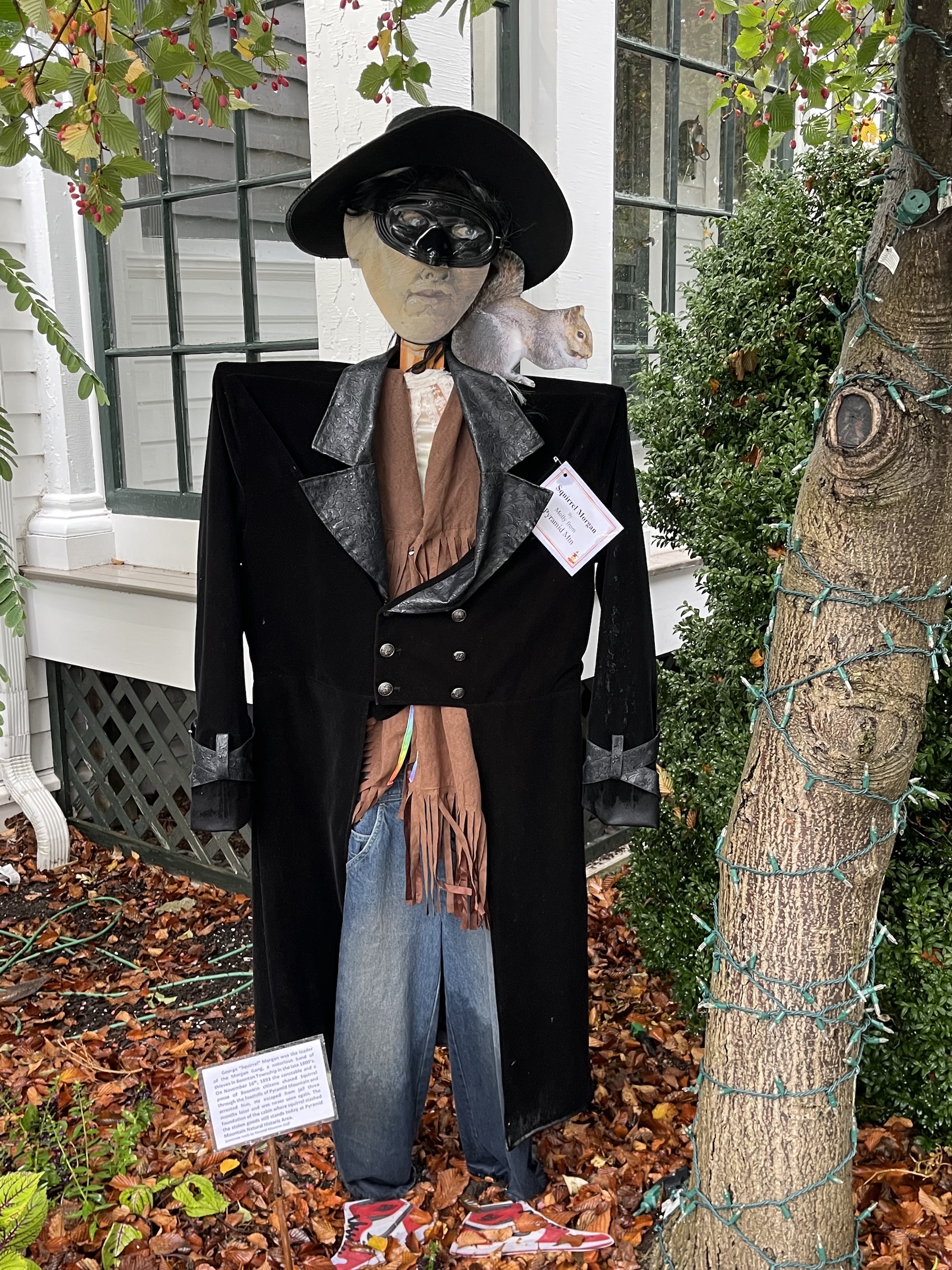
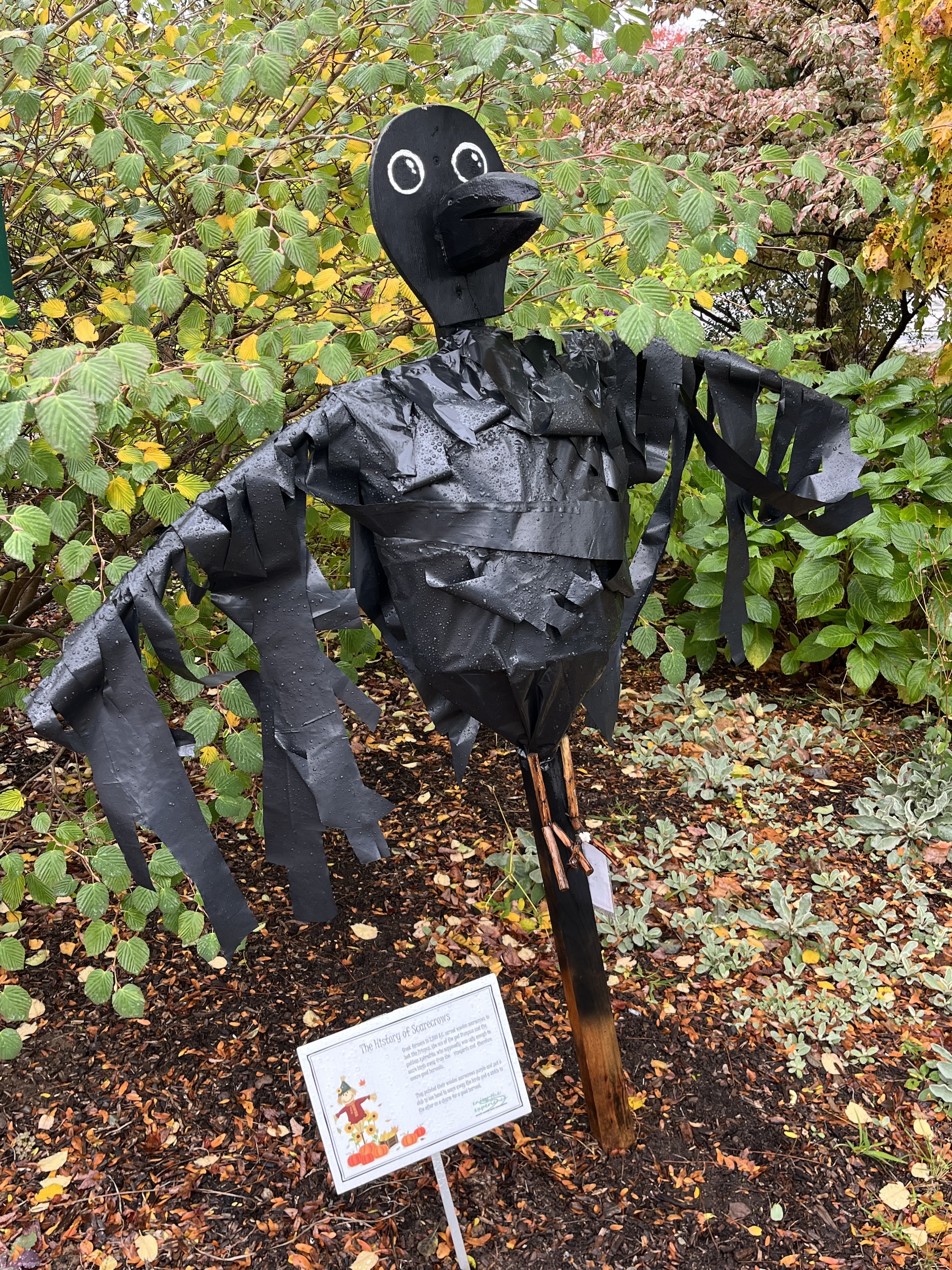
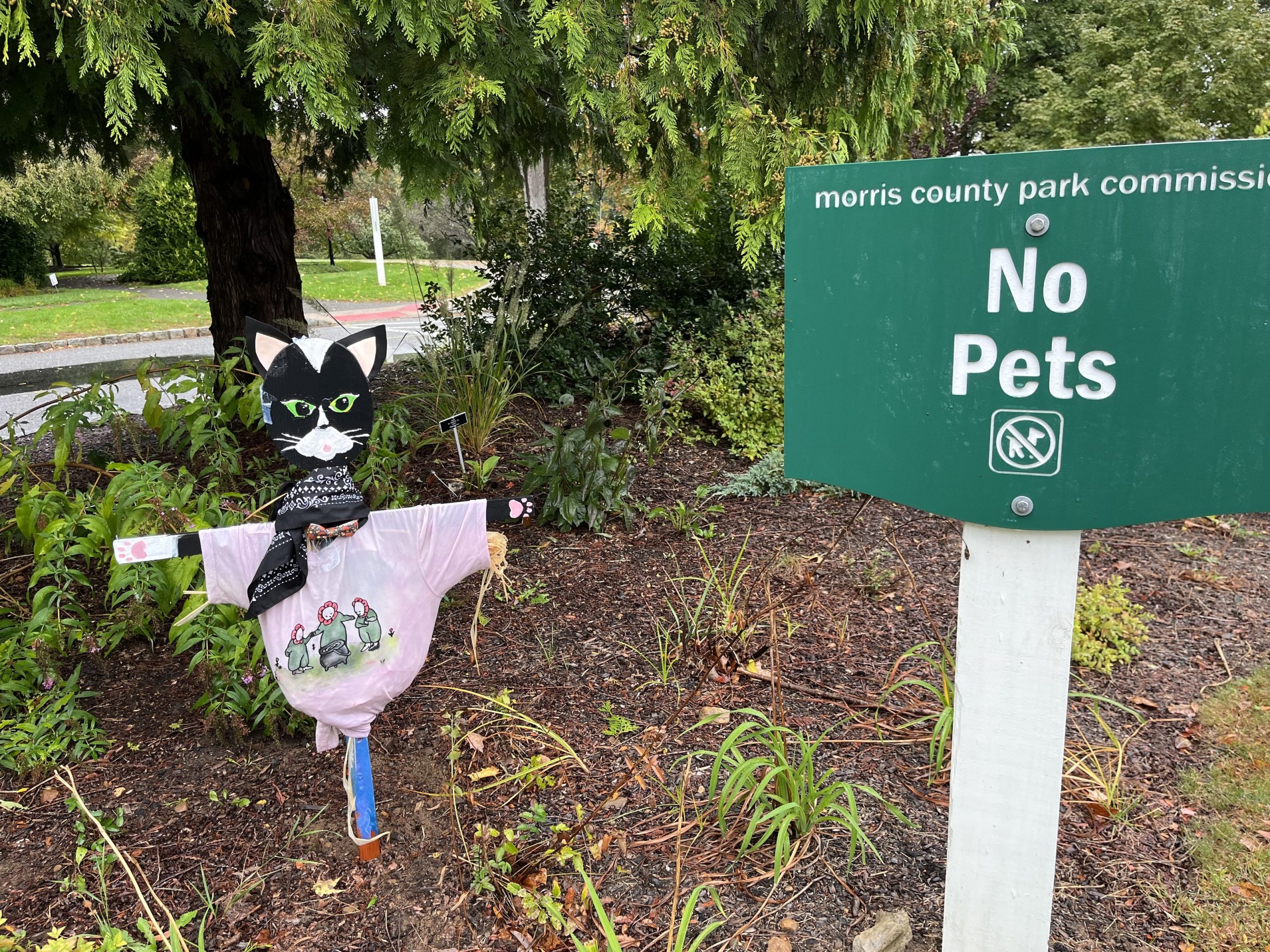
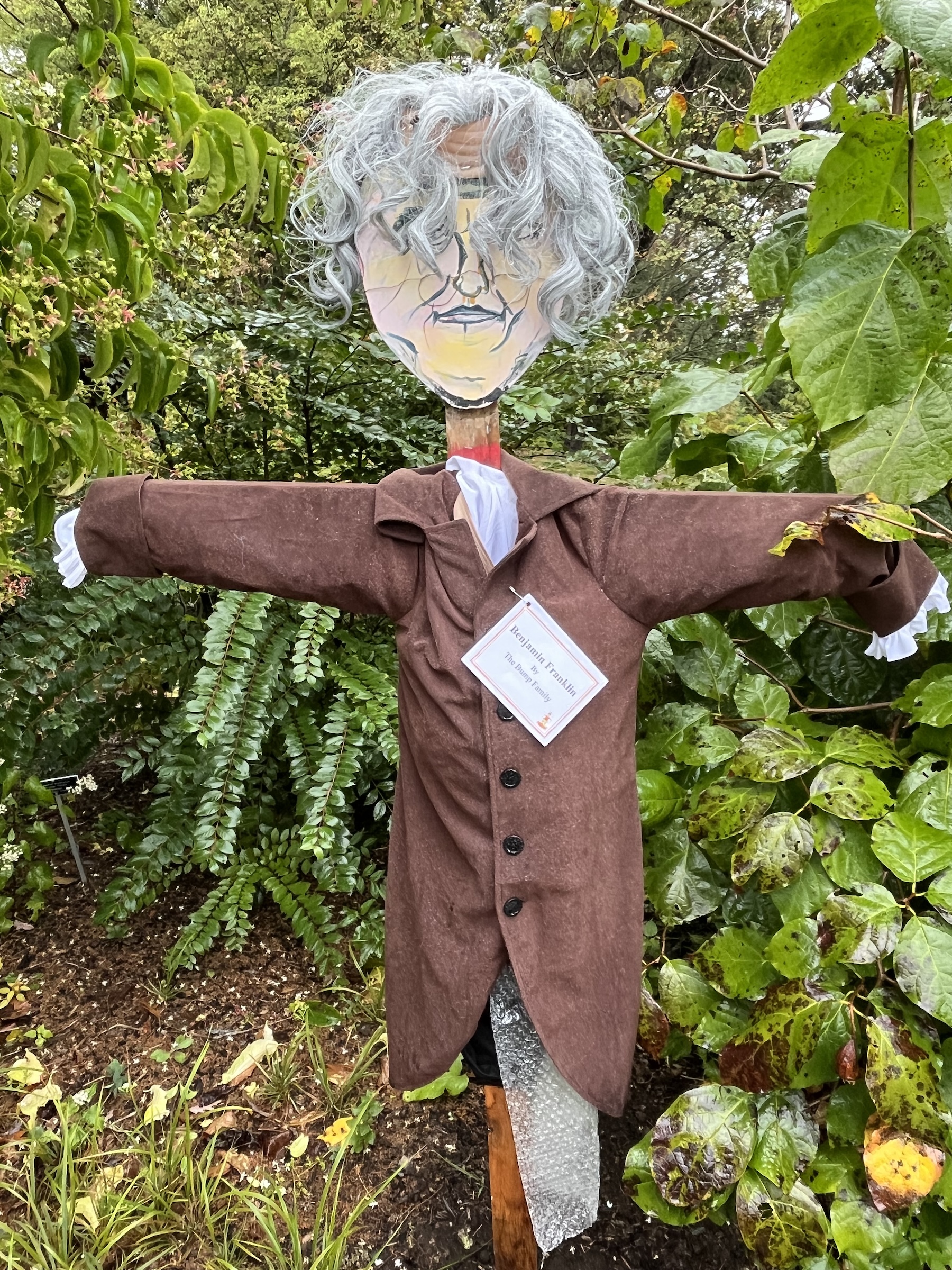
The annual scarecrow exhibit is currently on display in the gardens at the Arboretum. Plan to take a stroll and check them out: from Ben Franklin, to Squirrel Morgan (a history of this colorful character is posted next to his scarecrow), to a Raven and a cat who can’t read the “no pets” sign, you’ll be sure to have an enjoyable visit. Thanks to Lisa Bencivengo for the photos.
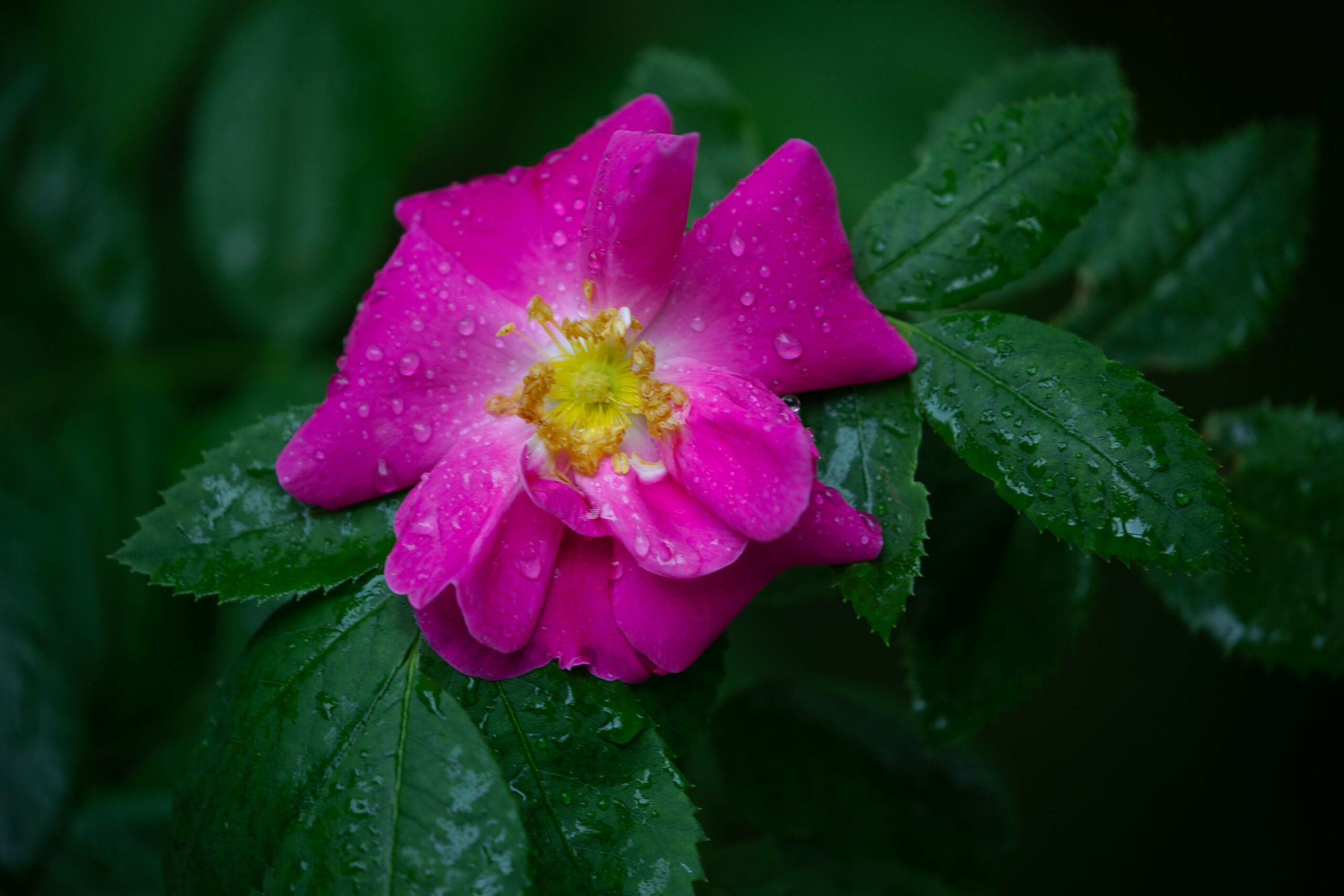
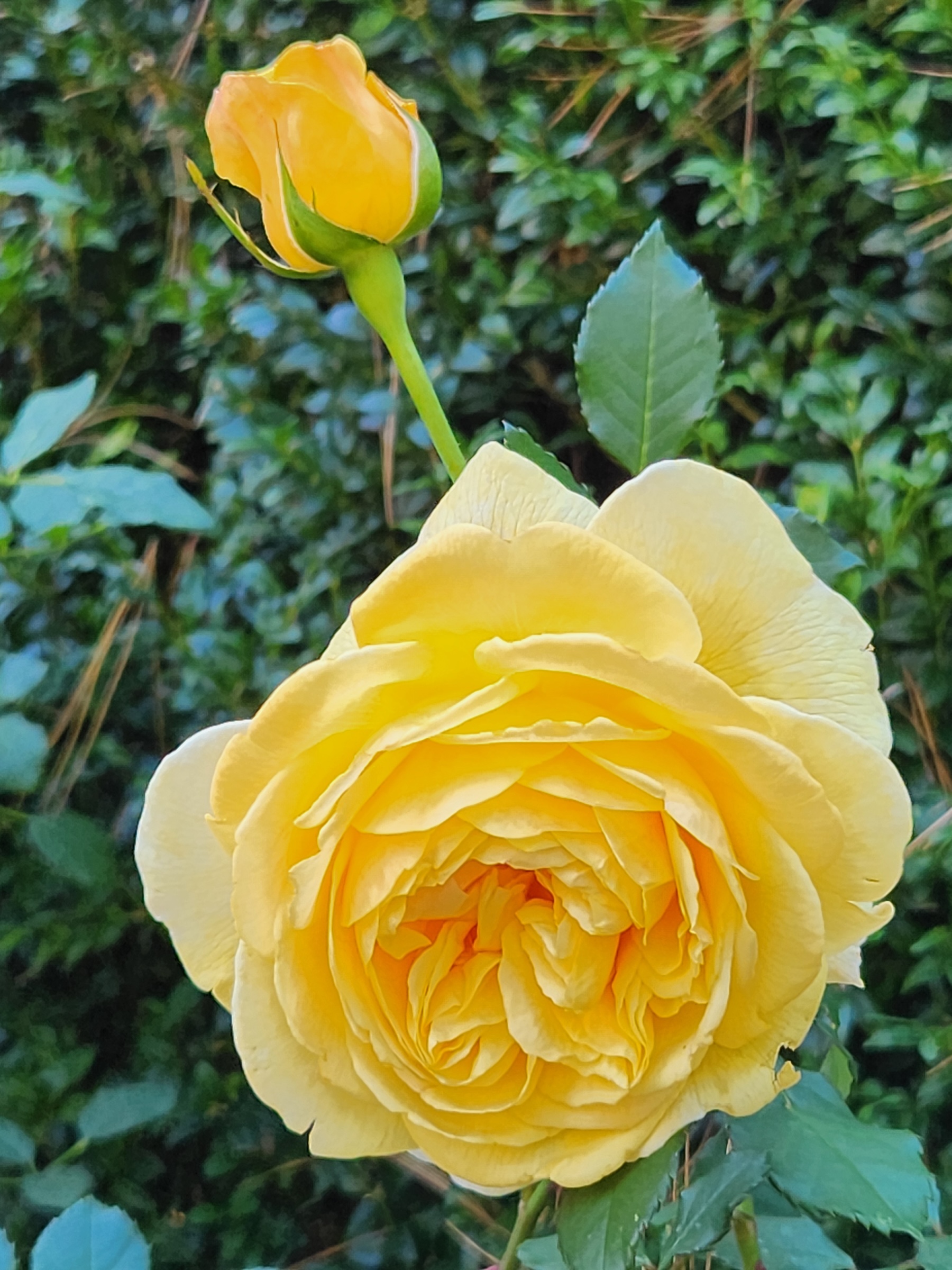
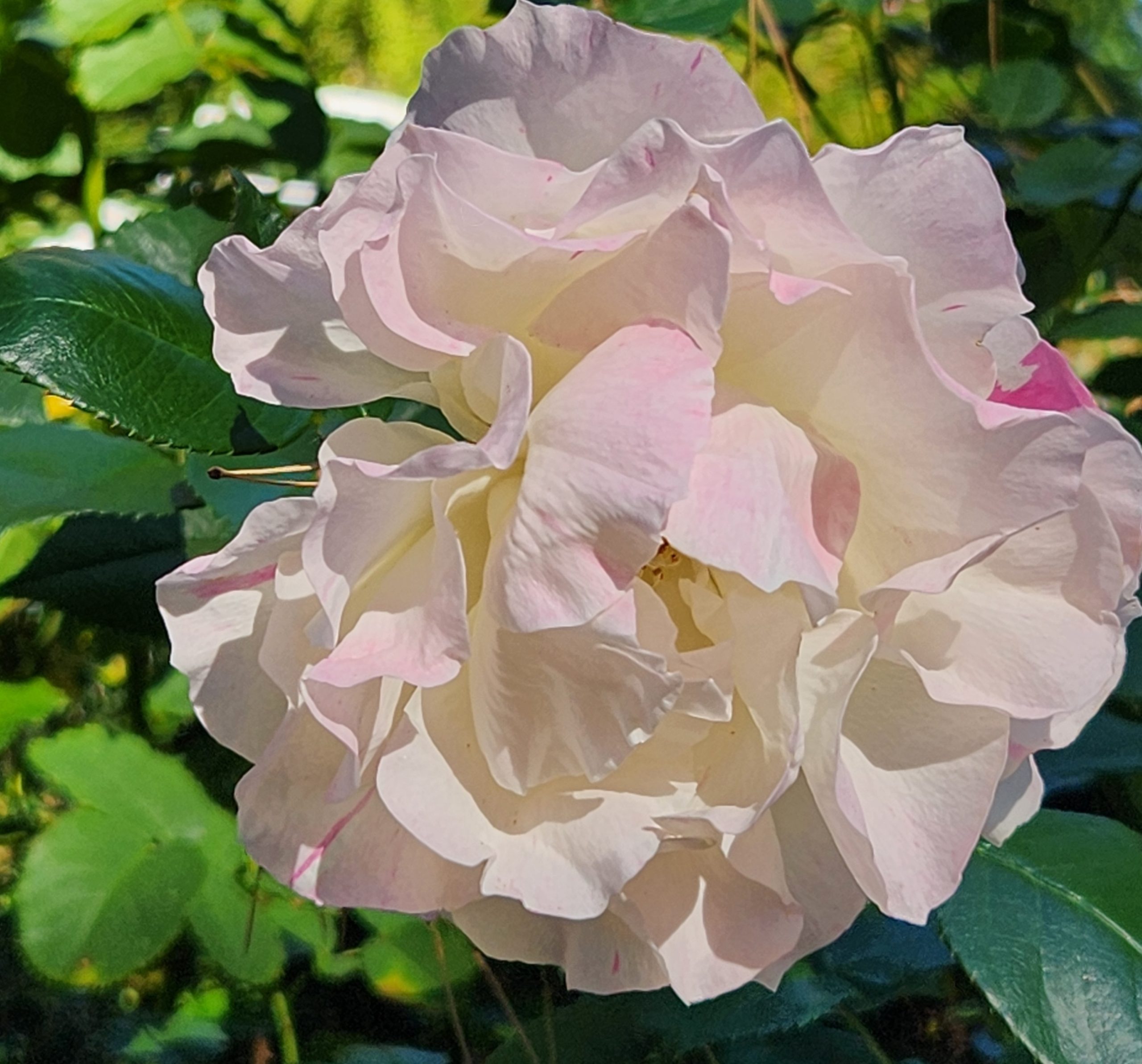
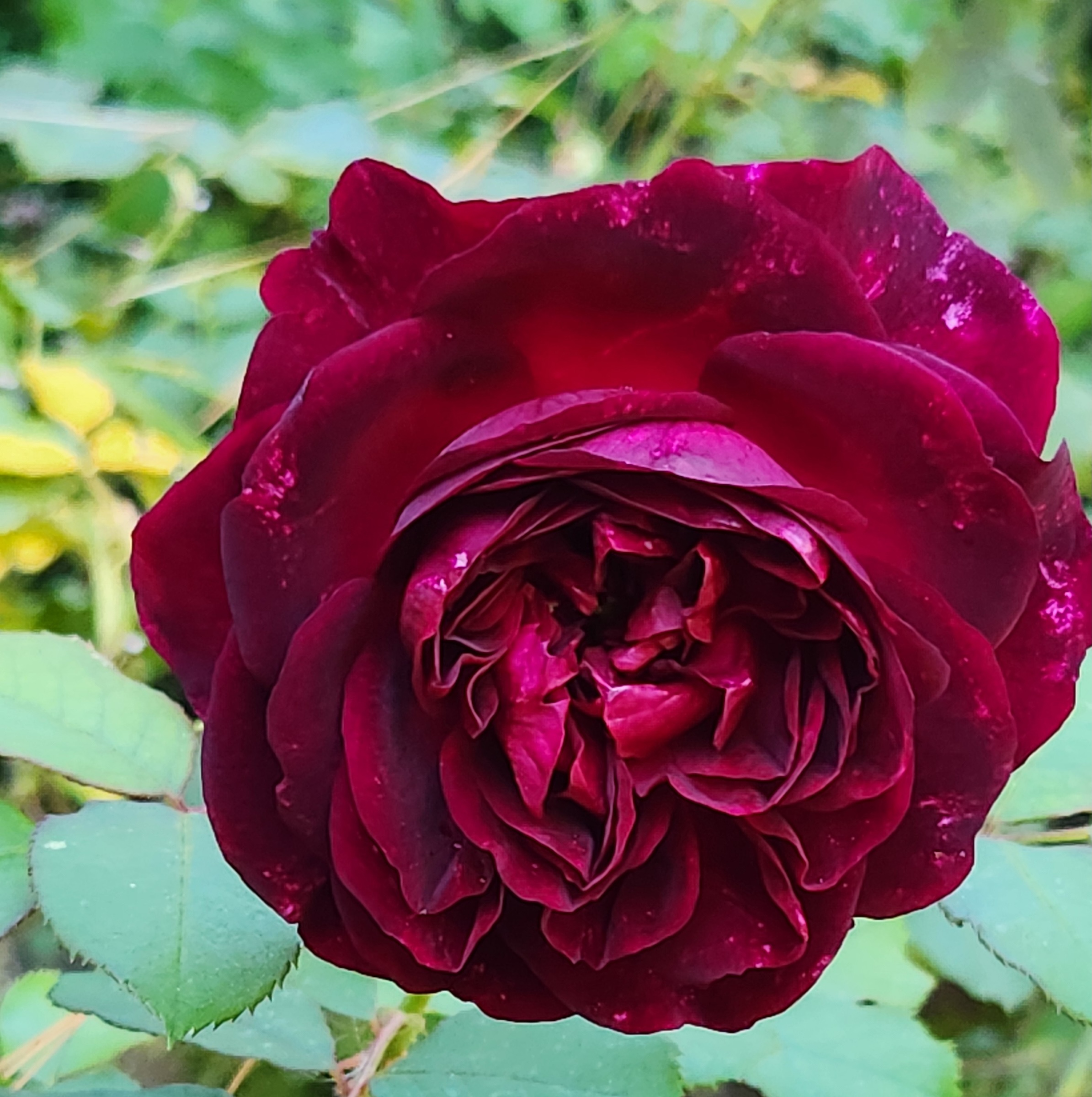
For a different kind of stroll, check out the roses still in bloom in the rose garden. No specific names, but the flowers are exquisite. Heather Emelander shared these lovely photos. Thank you!
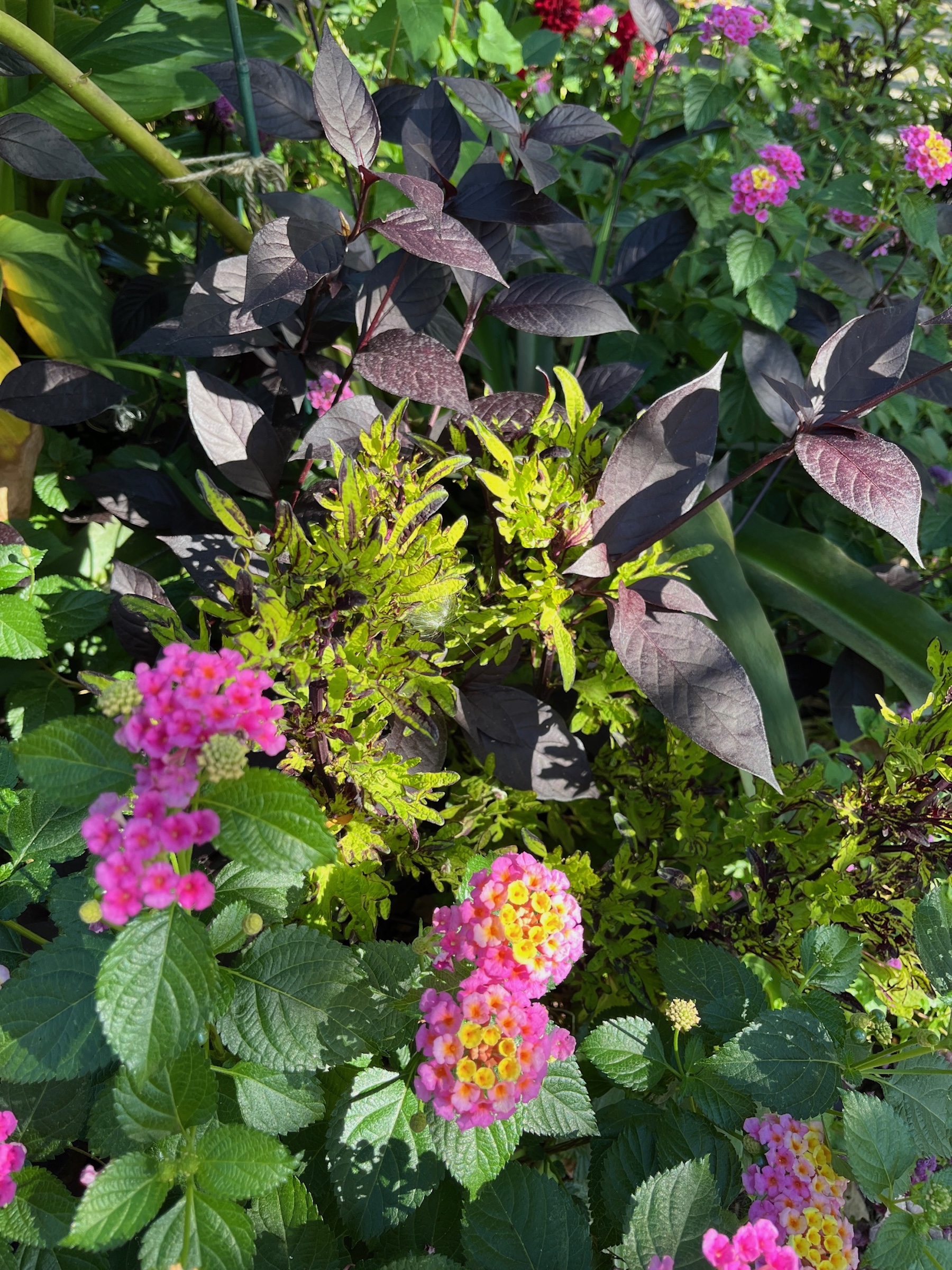
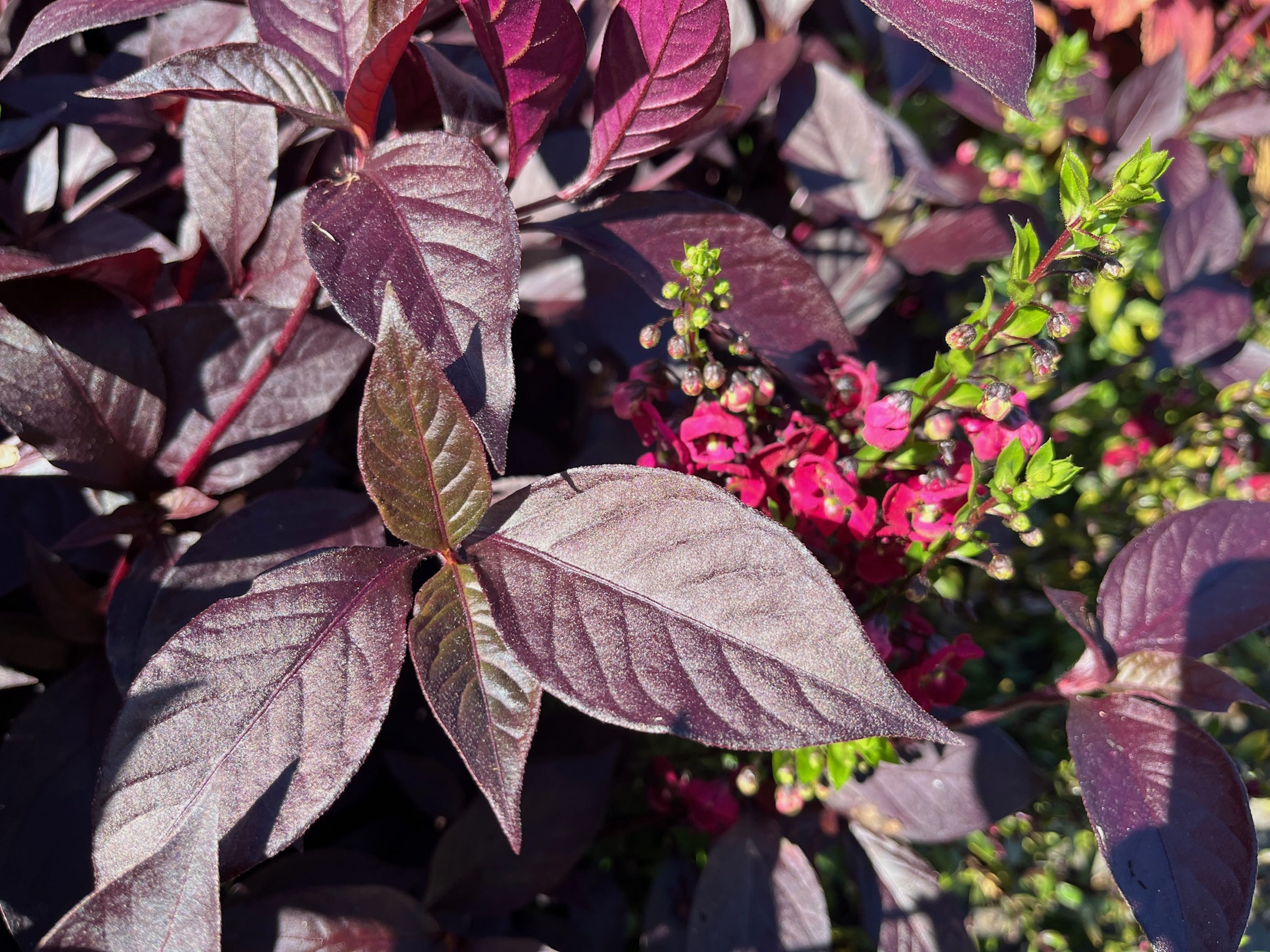
Judy Snow had the opportunity to visit the Arboretum recently and was kind enough to share some of her photographs with us. Could the gardens be getting ready for Halloween with their dark leafed plants?
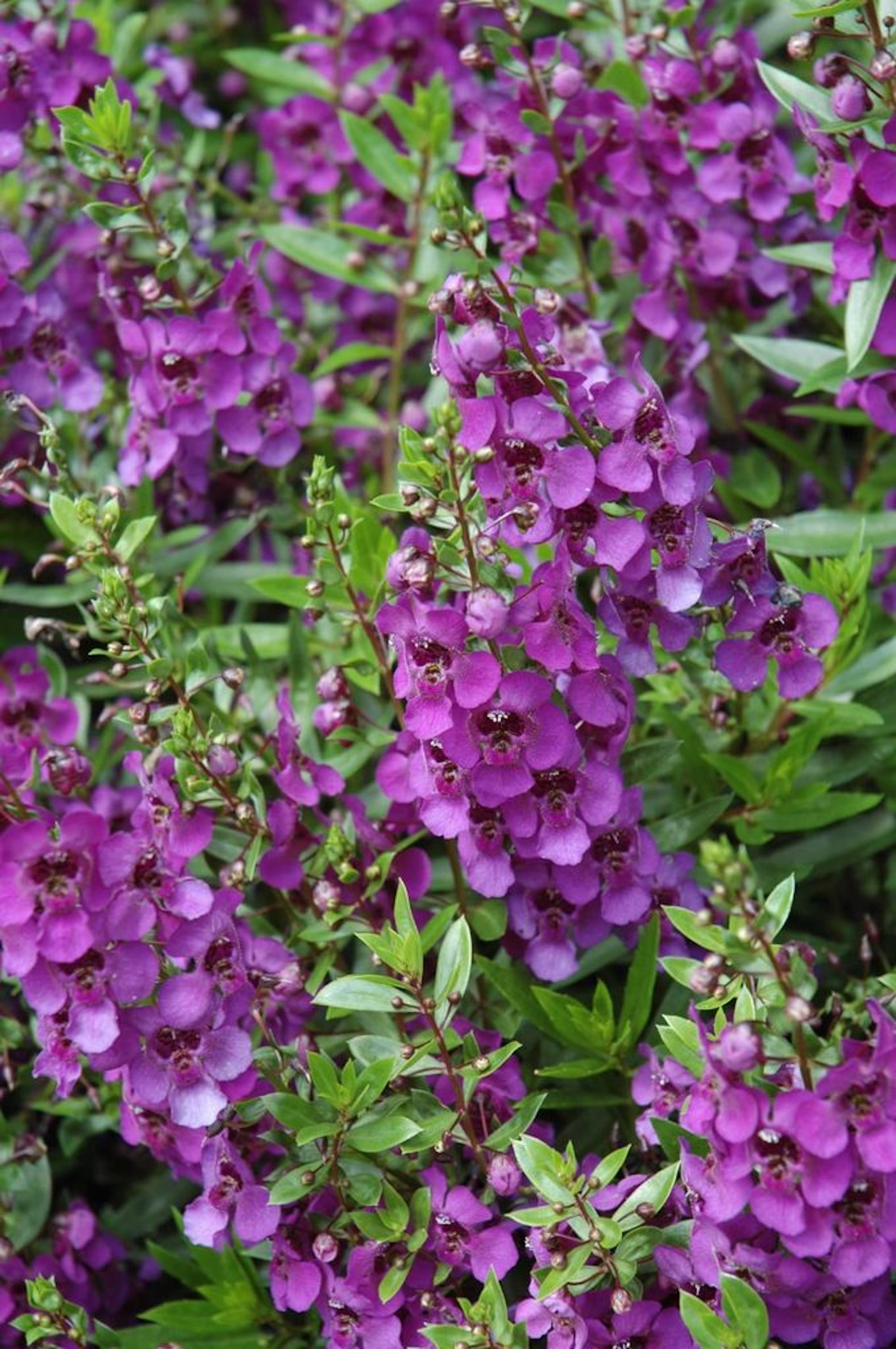
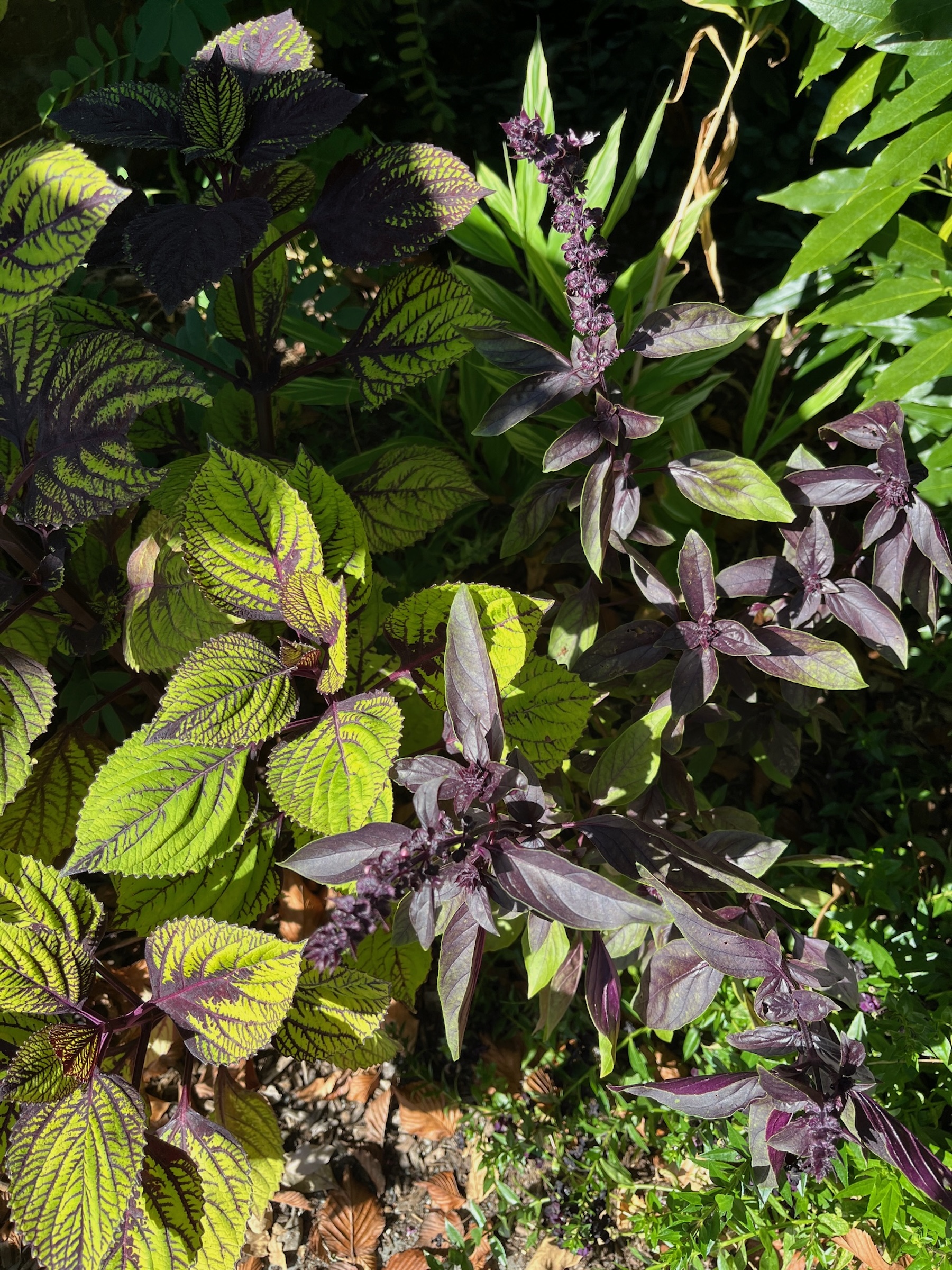
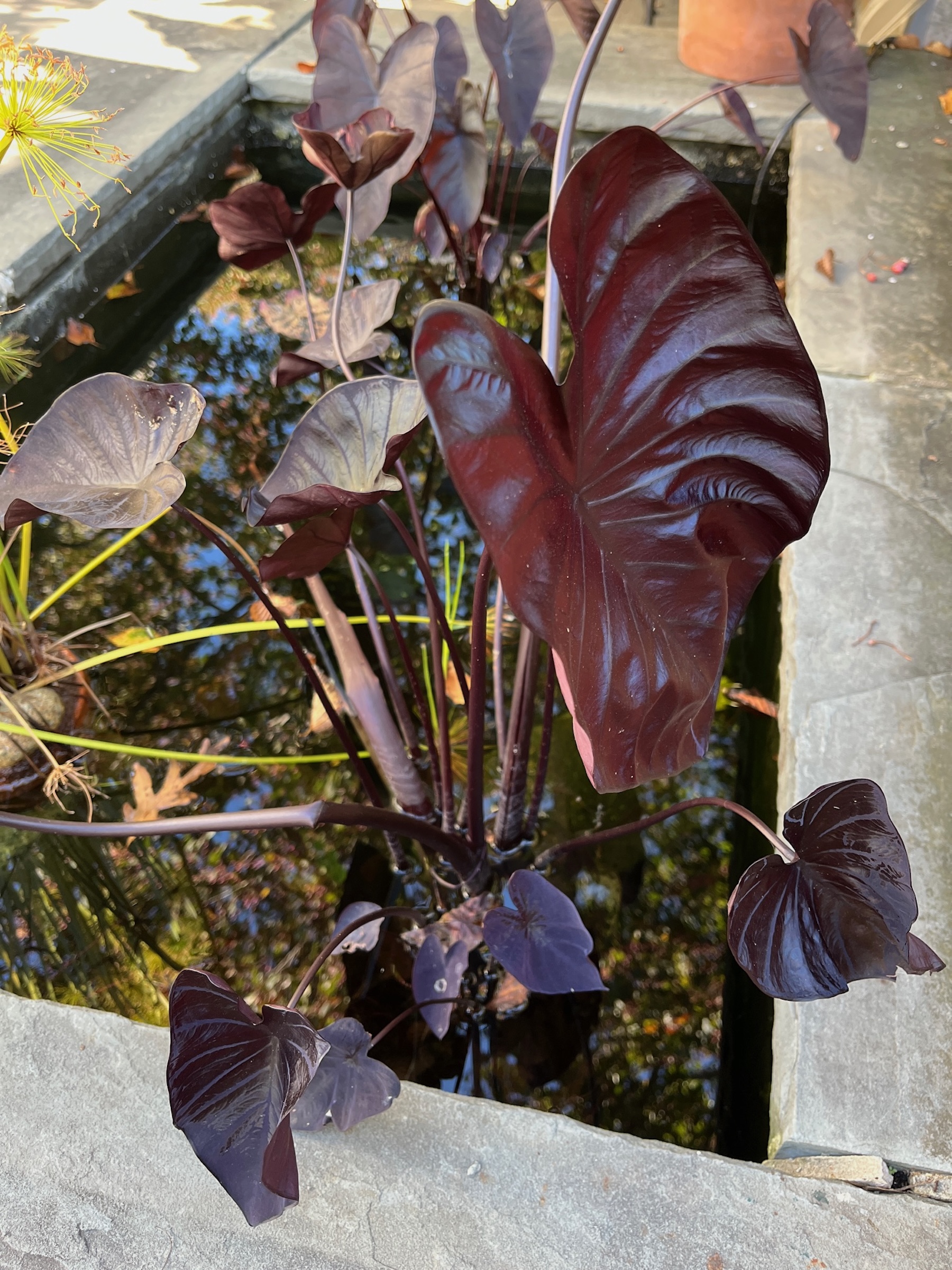
Shiny Colocasia leaves in the pool next to the walk into the Haggerty Education Center; also on the entrance walk, a purple leaf Basil accompanied by Fishnet Stockings Coleus, such a striking combination! In one of the planters by the entrance gardens, a lovely grouping of Alternanthera and Angelonia, with its bright pink flowers for contrast and in the round garden by the parking lot, Alternanthera, Coleus and Lantana create a pretty picture.
The gardens are still lovely, make plans to visit soon.
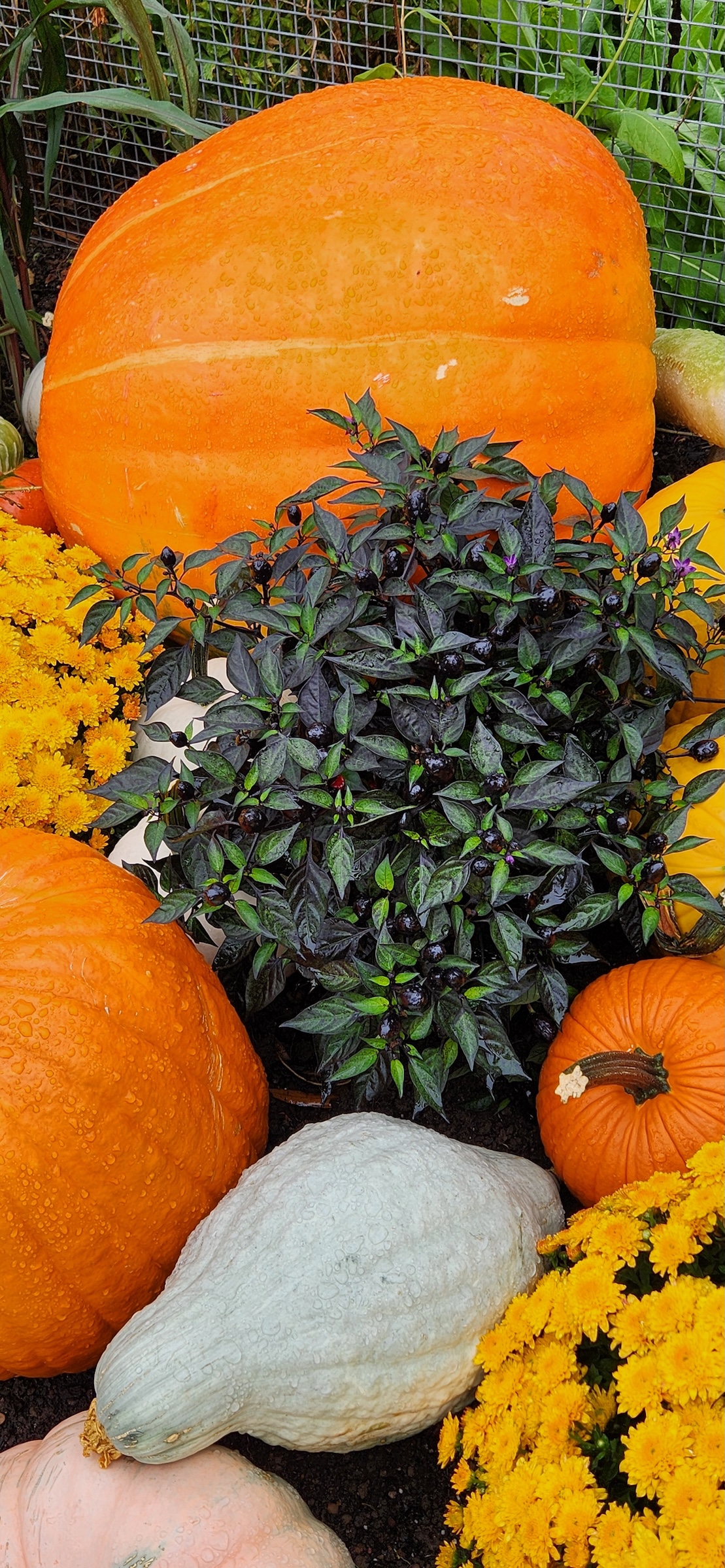
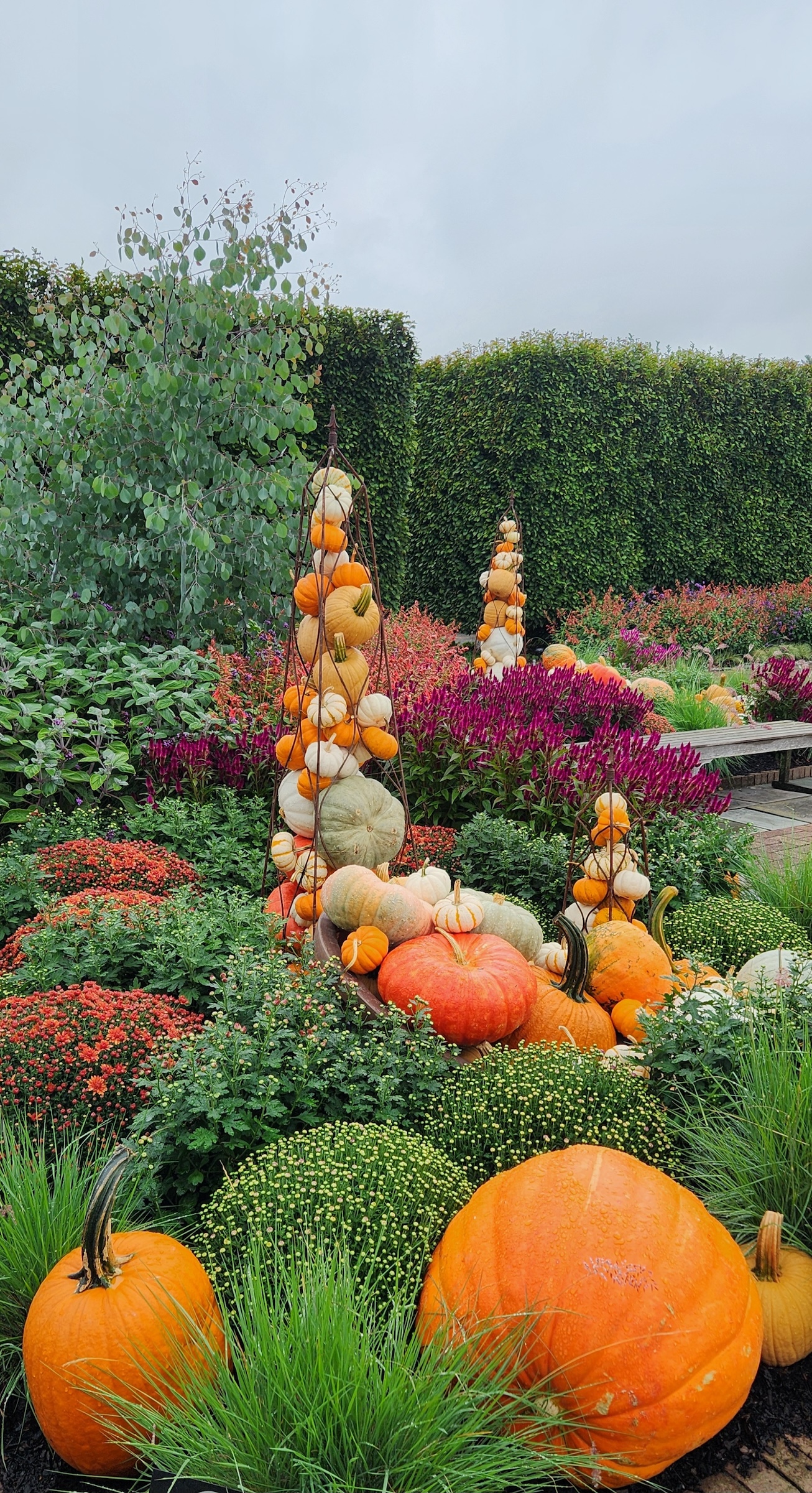
Time to say goodbye to the long days of summer and make the adjustment to the shorter days of fall. Clear sunny days and crisp clear nights lead to gorgeous leaf colors; we decorate with pumpkins in various hues and fragrant chrysanthemums in a variety of bright shades, as seen in the Longwood Gardens arrangements below. We begin to put our gardens to bed for the winter and start looking ahead to Halloween, Thanksgiving and Christmas. The winter months are spent making plans for next year’s garden, pouring through seed catalogs and dreaming of the first green shoots to break ground, crocuses, daffodils, etc. But before that, we’ll have snowdrops, hellebores and witch hazel to look forward to. The garden may be resting, but we are making plans!
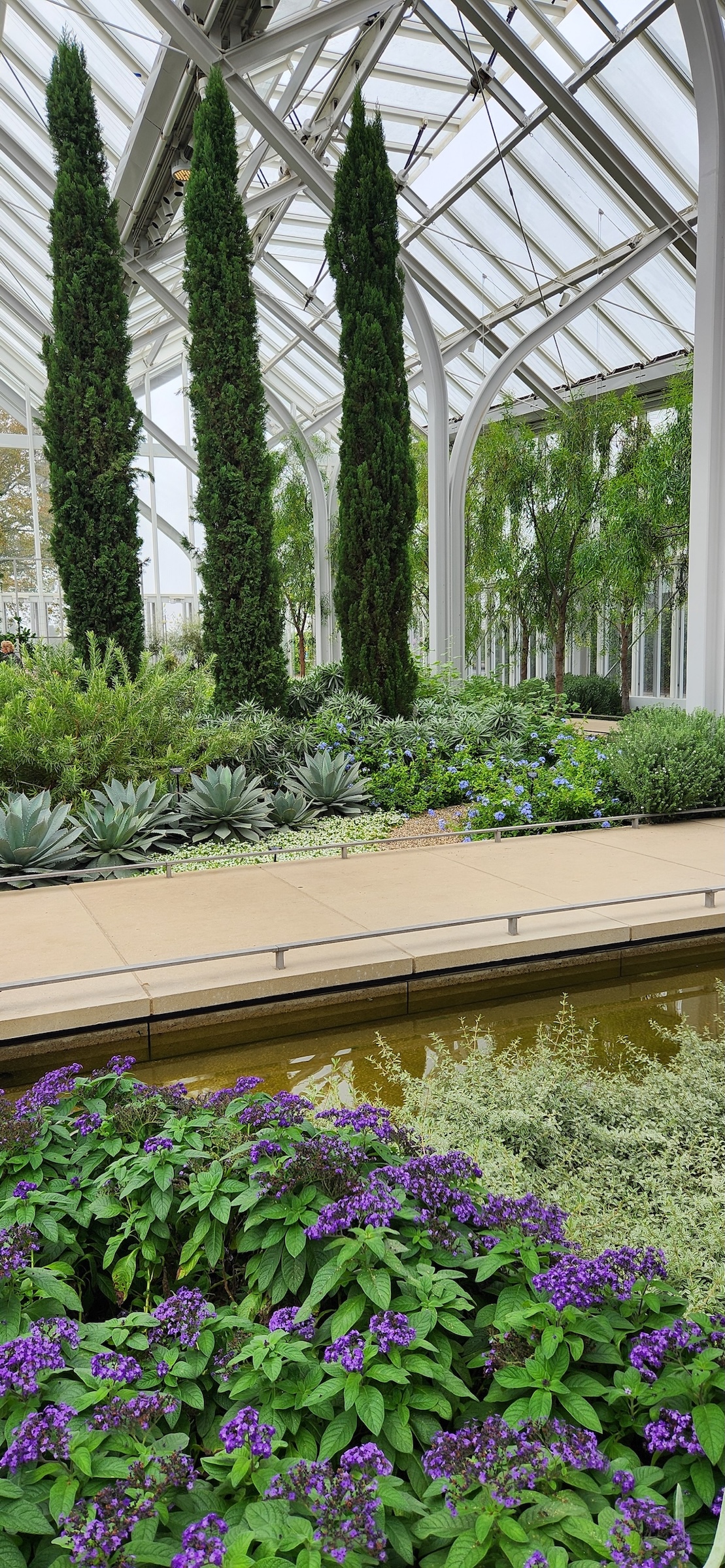
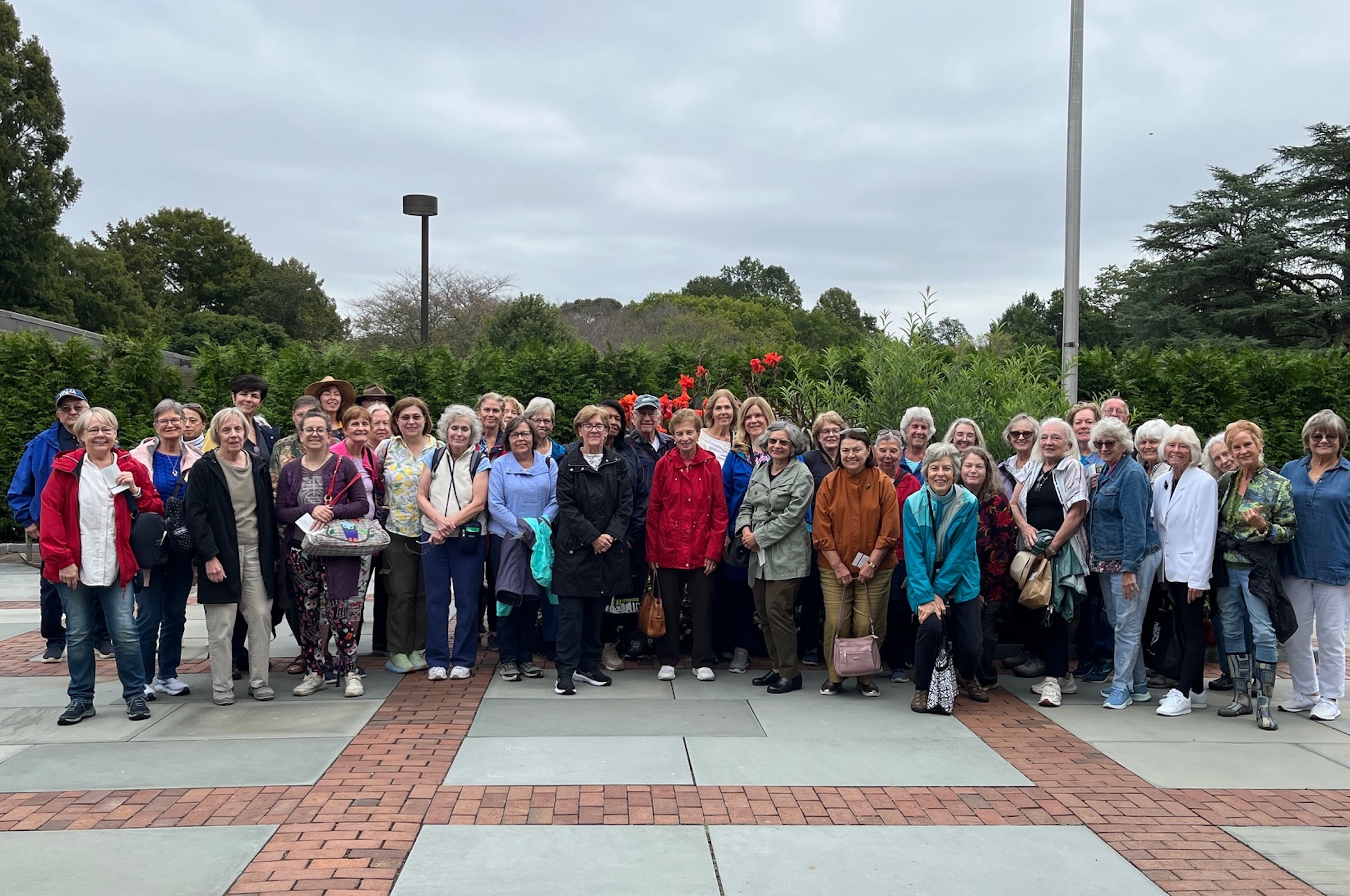
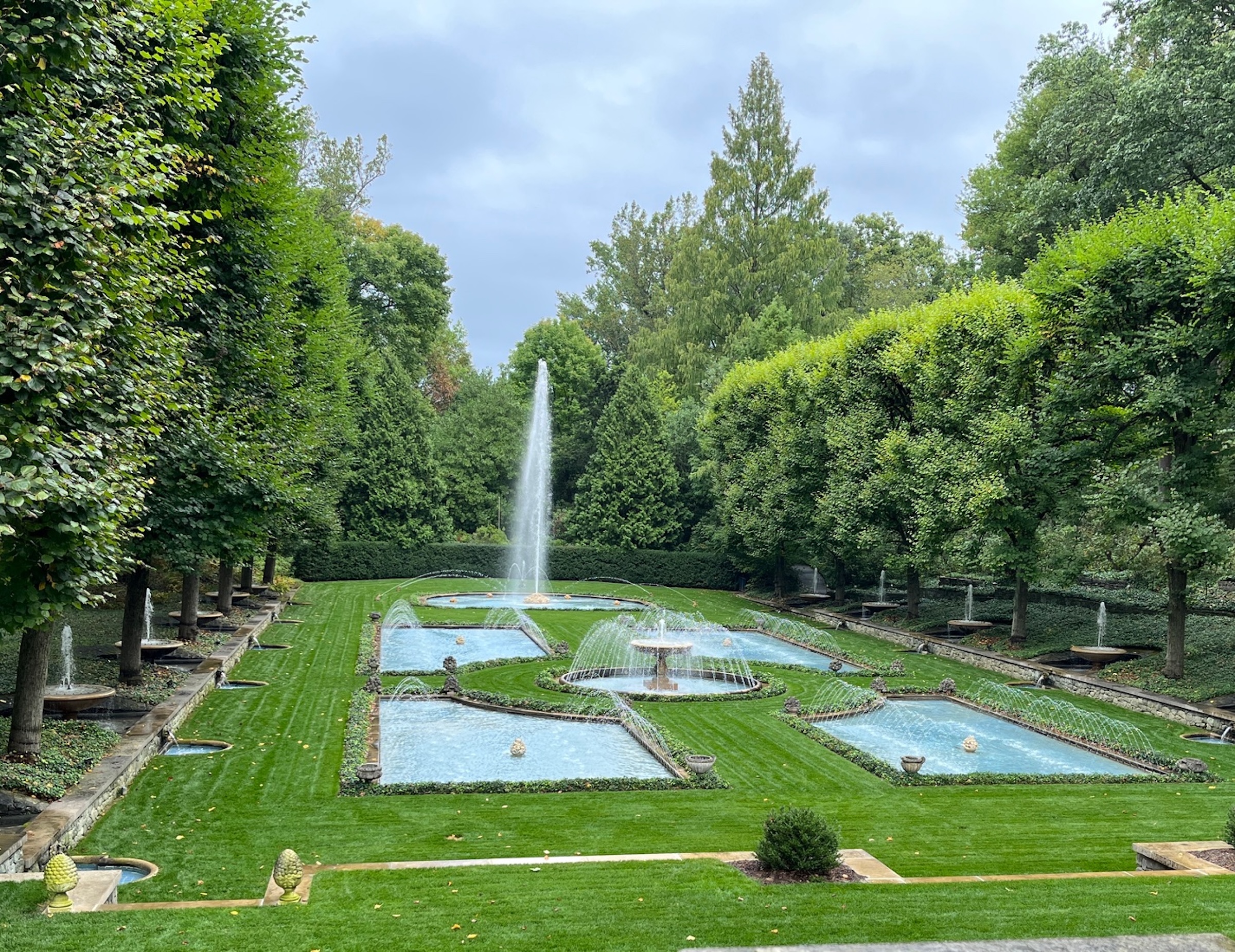
Our bus trip to Longwood Gardens in Kennett Square, PA was last Wednesday. An enthusiastic group of travelers boarded the bus at the Arboretum and by 10:00 AM we were on our way, looking forward to a day visiting the lovely grounds at Longwood Gardens. We had some rain, but didn’t let that “dampen” our spirits; the gardens were at their peak, the fountain shows were lively, the new West Conservatory (an innovative, exuberant masterpiece celebrating the world’s Mediterranean landscapes), the Roberto Burle Marx Cascade Garden, the Bonsai Courtyard and the Idea Garden didn’t disappoint. After some last minute shopping, we boarded the bus, a tired but happy bunch, looking forward to the relaxing trip back to New Jersey.
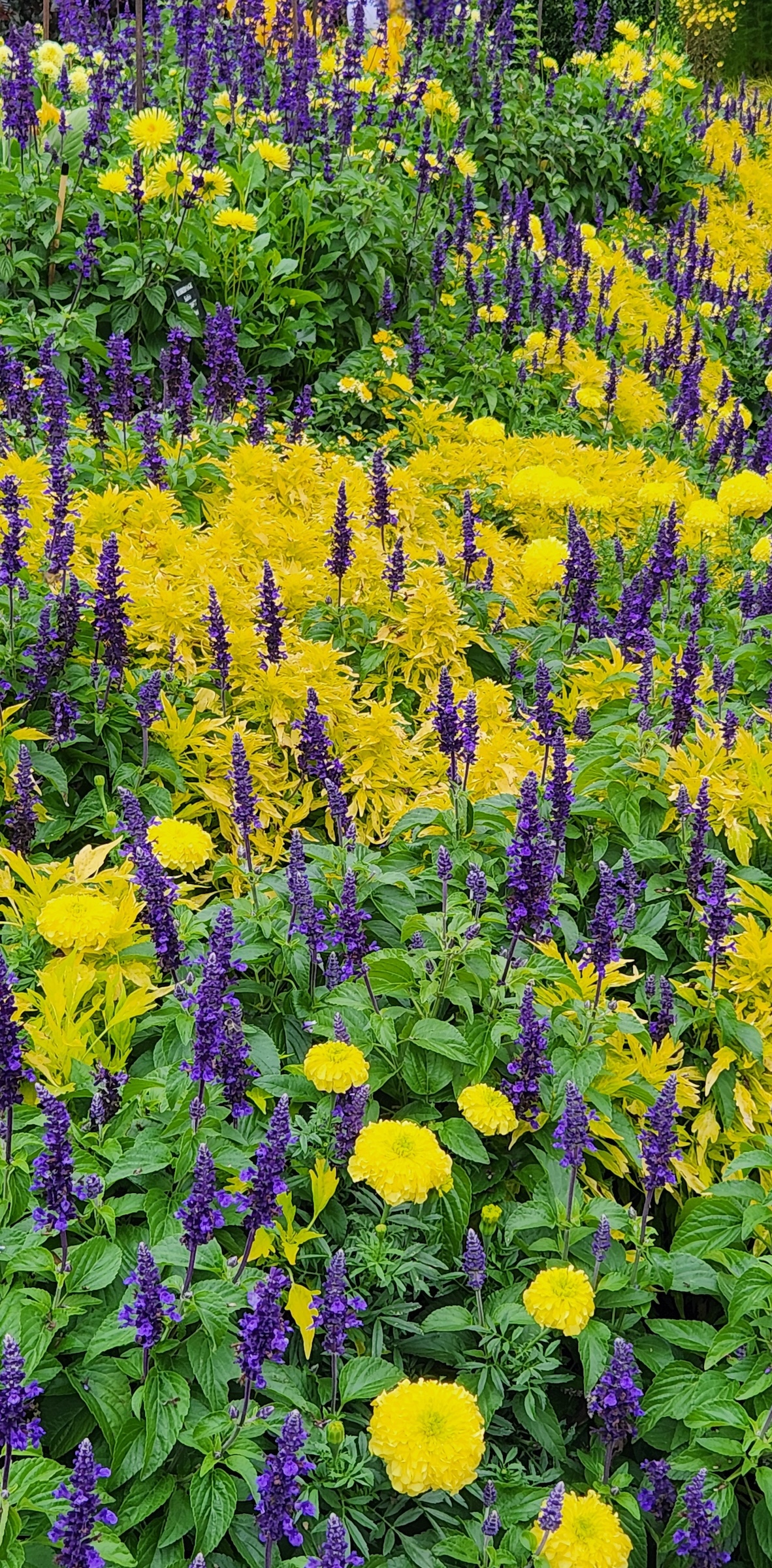
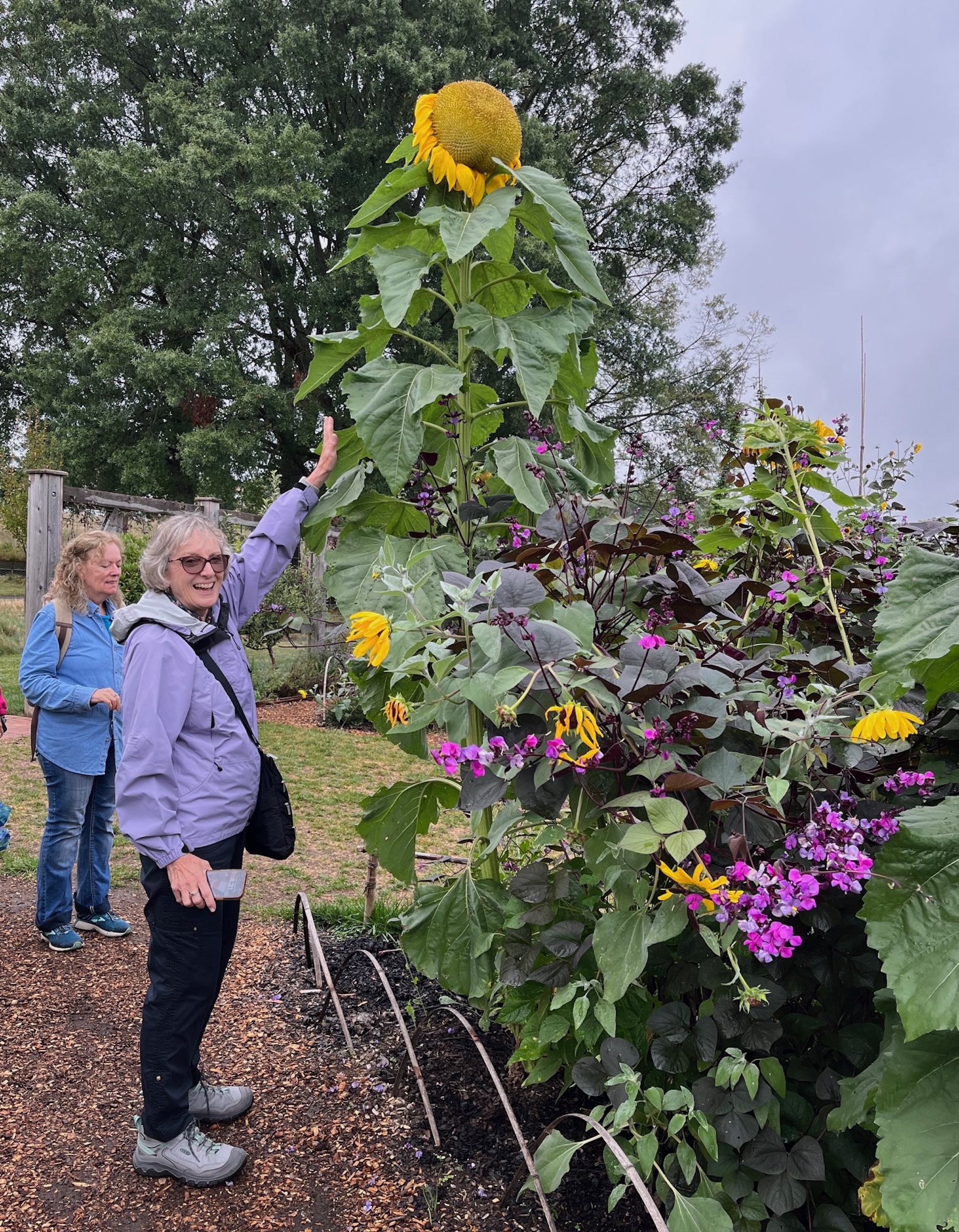
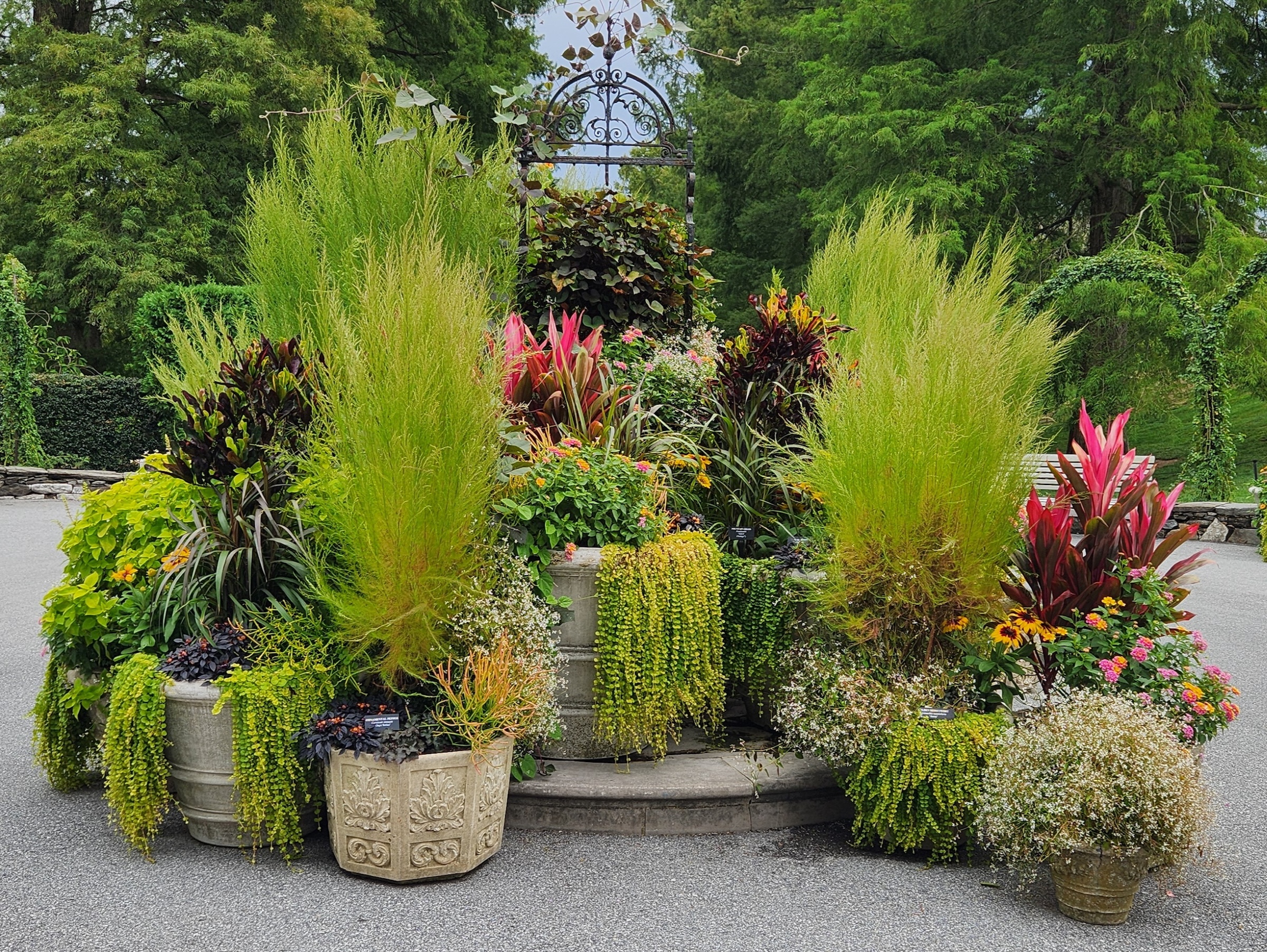
Thanks to Judy Snow for the group photograph, the photo of the Italian Water Garden and a photo of a giant sunflower in the Idea Garden, with a couple of travelers for scale! My photos show part of the New West Conservatory, an elaborate grouping of potted plants, mostly annuals, and a photo of a yellow and purple flower border, including salvia, coleus and marigold.
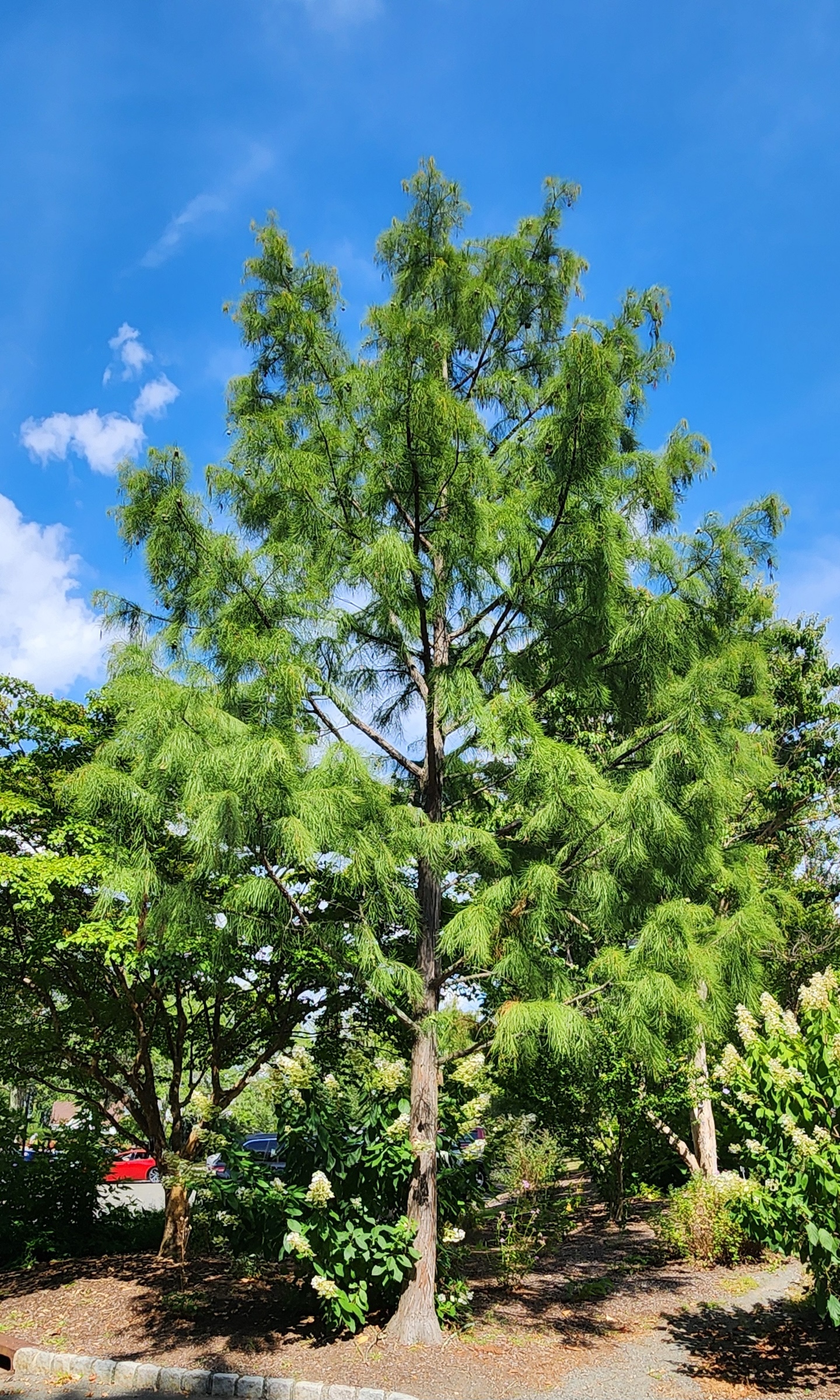
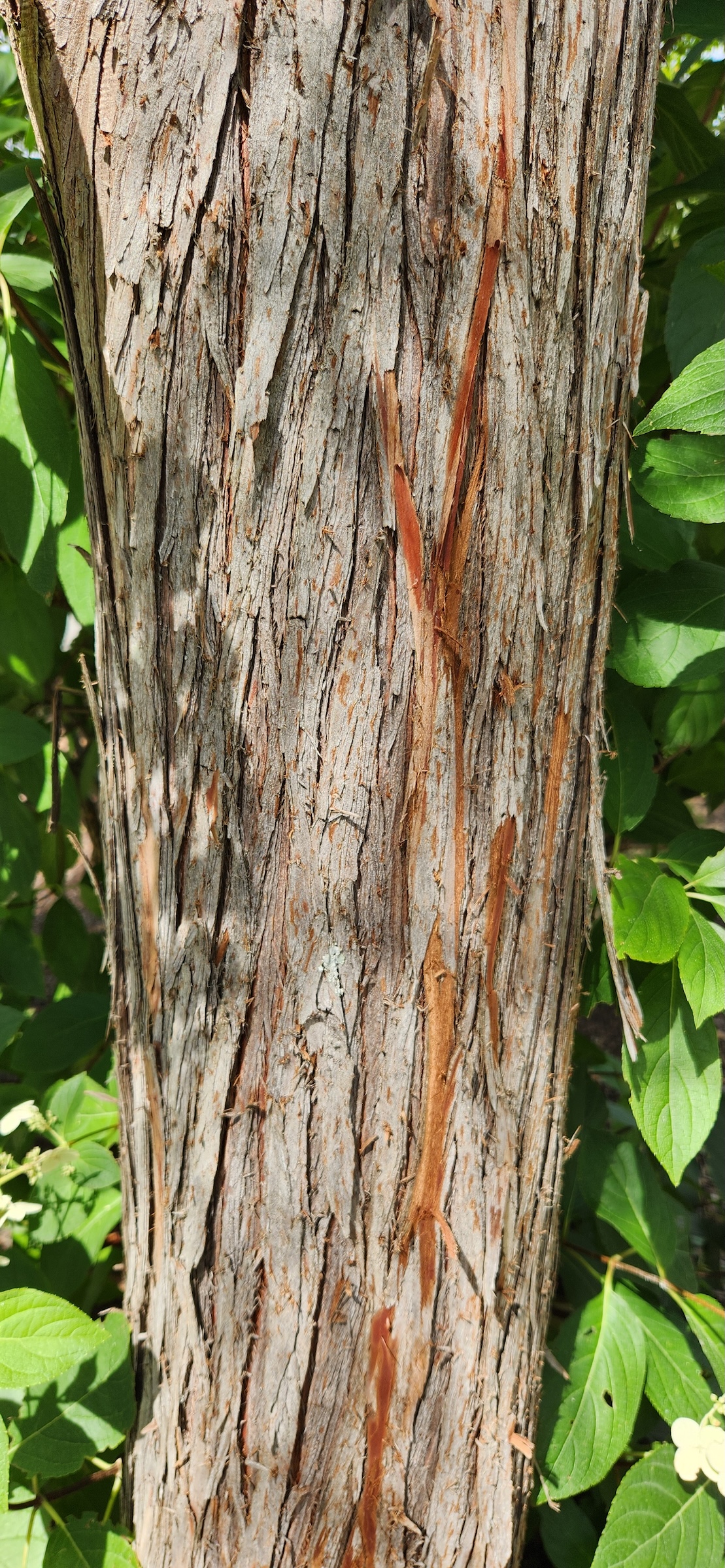
Among the many beautiful trees on the grounds of The Frelinghuysen Arboretum, there is a very nice example of Taxodium ascendens ‘Nutans’ (Pond Cypress) at the end of a planting strip in one of the parking bays. This tree is native to the coastal plain from Virginia to Florida to Louisiana. A deciduous conifer growing to between 30-70 feet, its foliage turns orange brown in fall and its bark is gray/brown to red/brown.
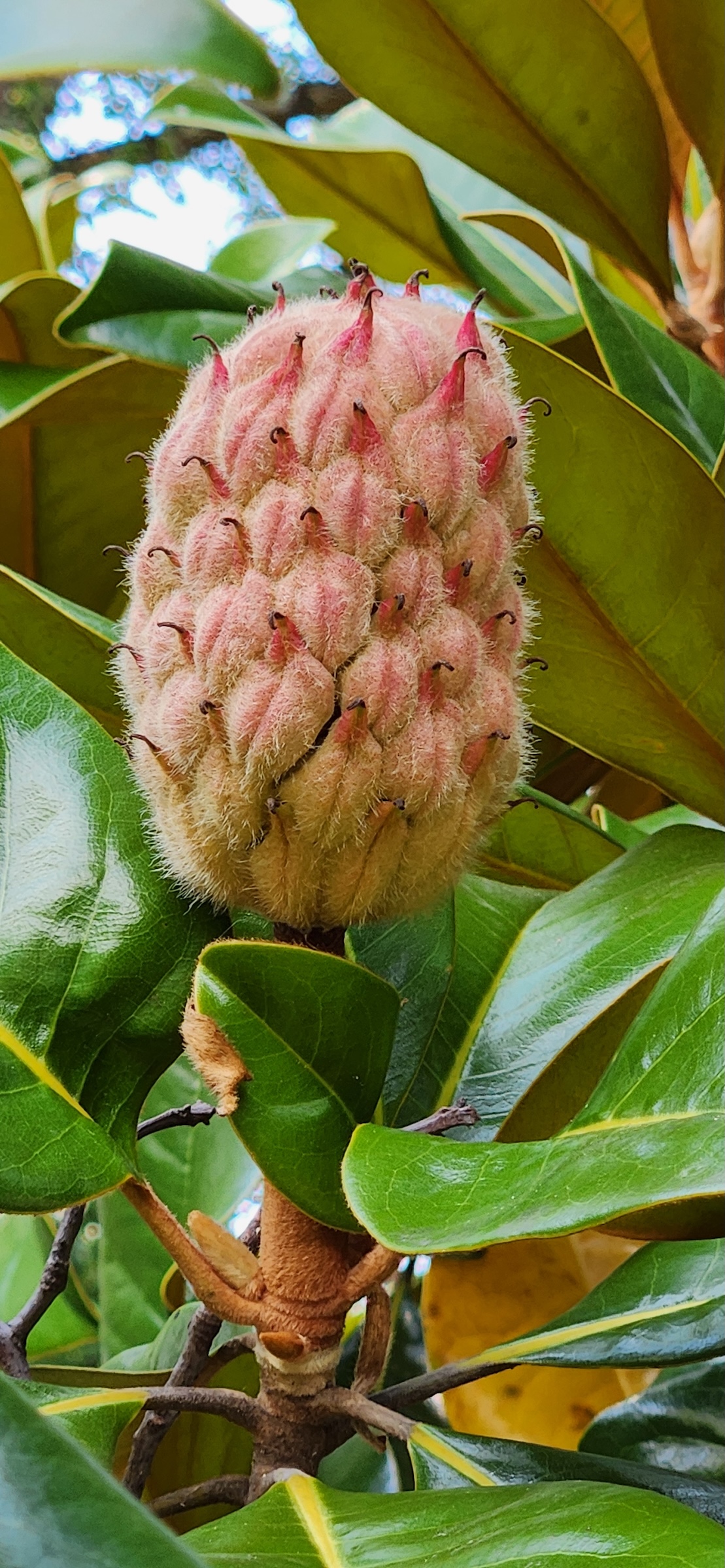
The seed pods on Magnolia grandiflora cv. Victoria (Southern Magnolia) are an architectural marvel resembling pine cones but are actually an aggregate of many smaller follicles, or seed casings. In this photo the follicles have not begun to open exposing the bright red fruits that provide high fat, high energy food for many birds and mammals.
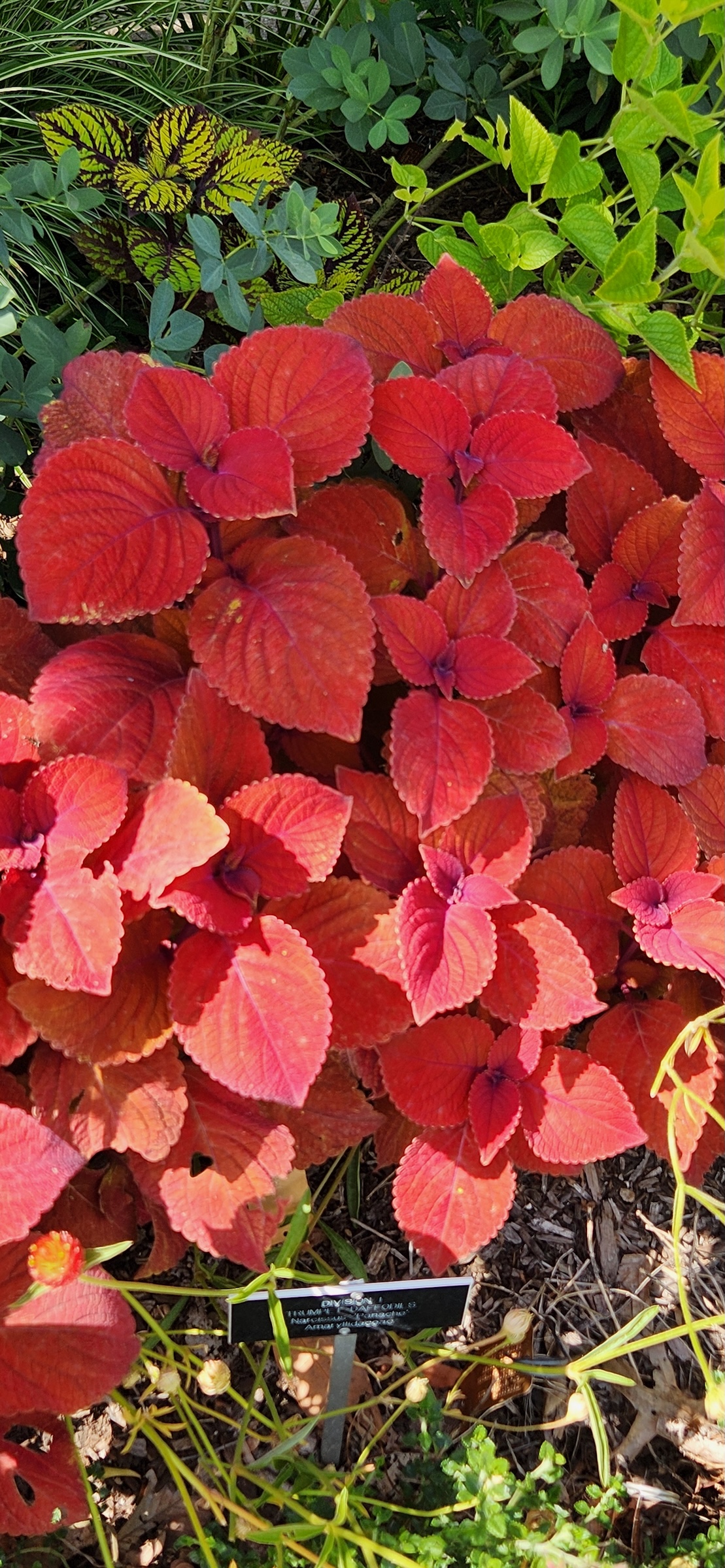
Last, but not least, a bright spot in the garden provided by a large red Coleus (sadly I don’t know this one’s name); note the much smaller Fishnet Stockings Coleus in the upper left hand corner of this photo. Members of the mint family, Coleus plants come in many colors, from deep reds to pinks to chartreuse and forms, from mounded, trailing to upright. We know them as shade lovers, but newer varieties can tolerate full sun.
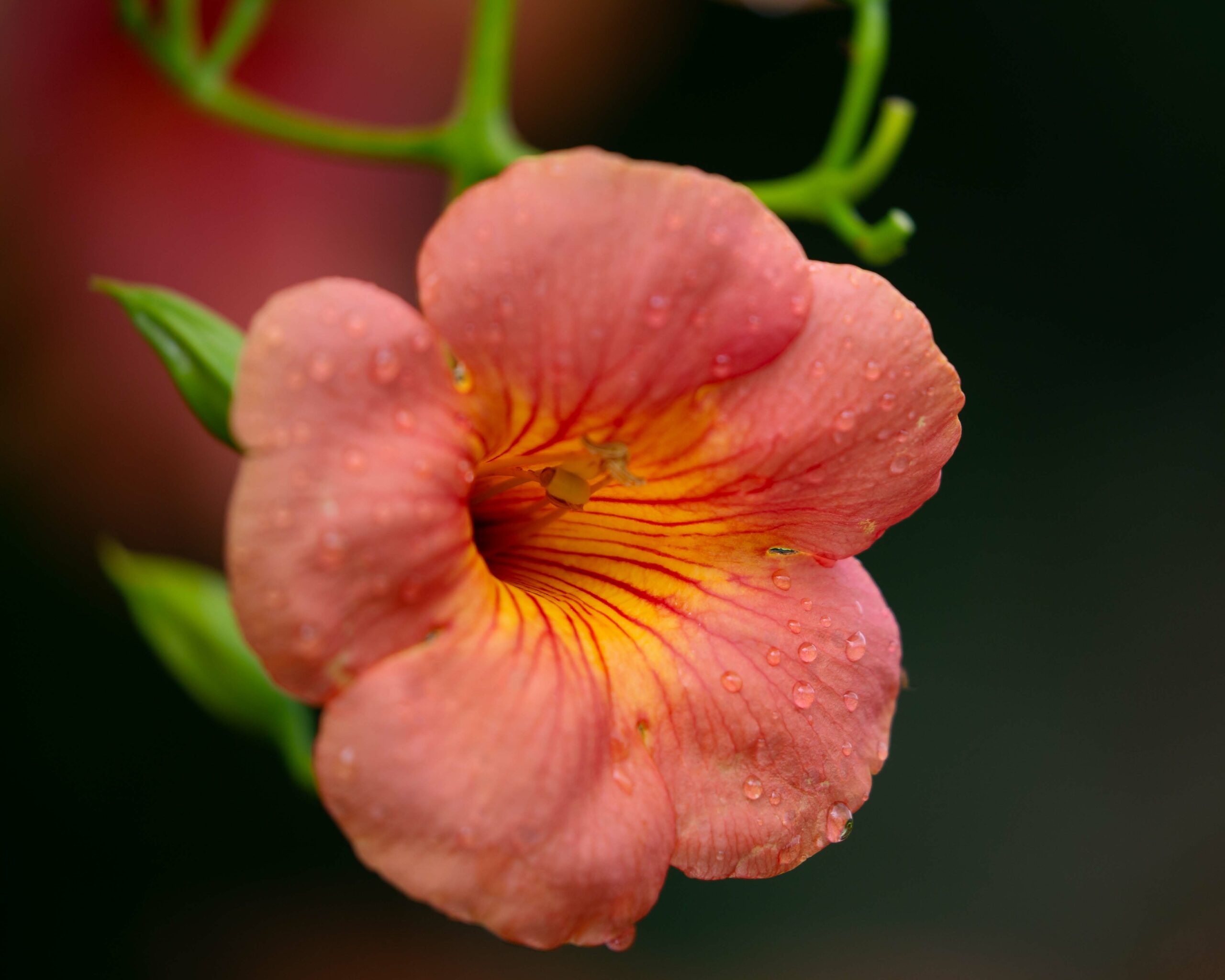
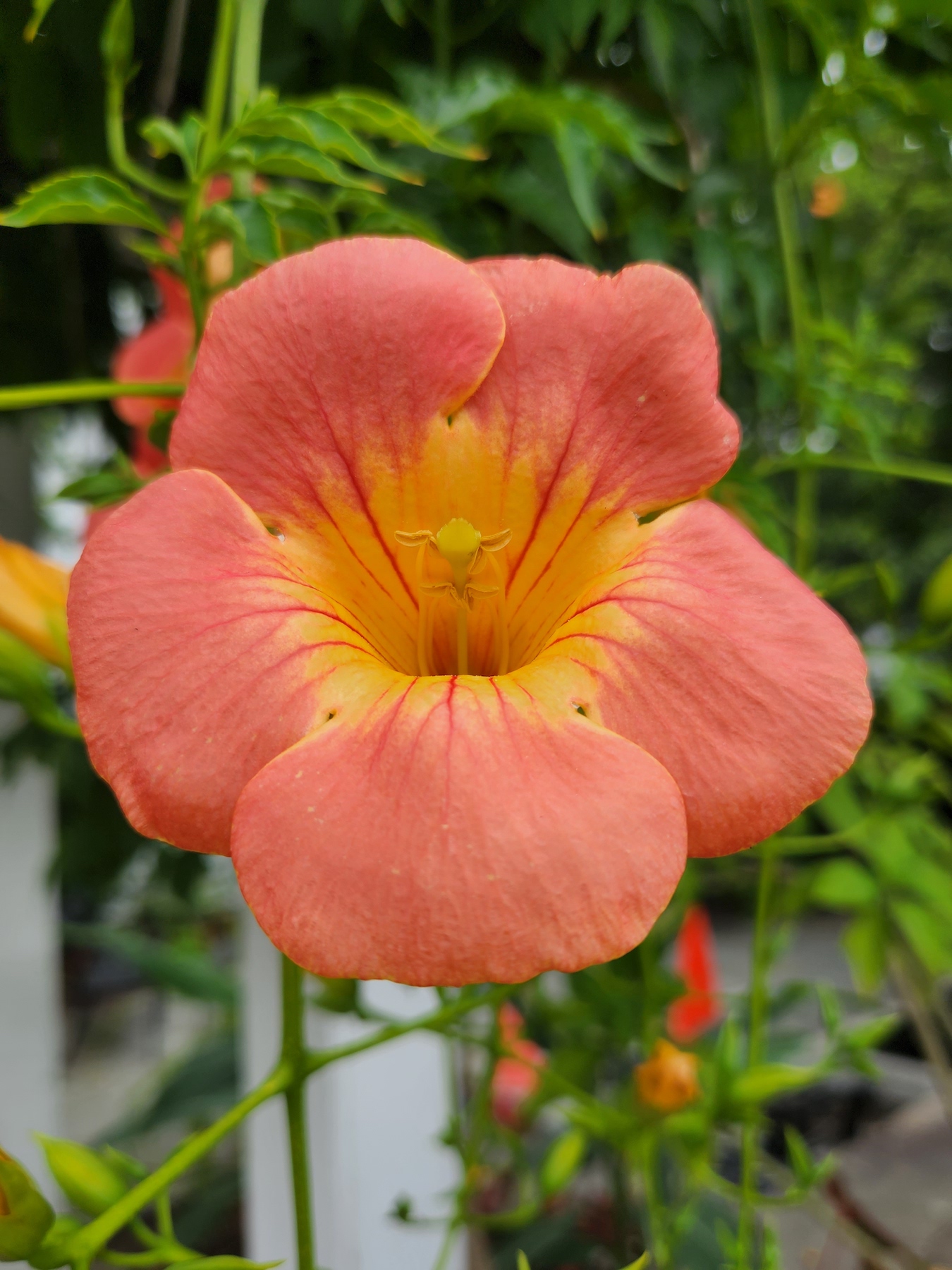
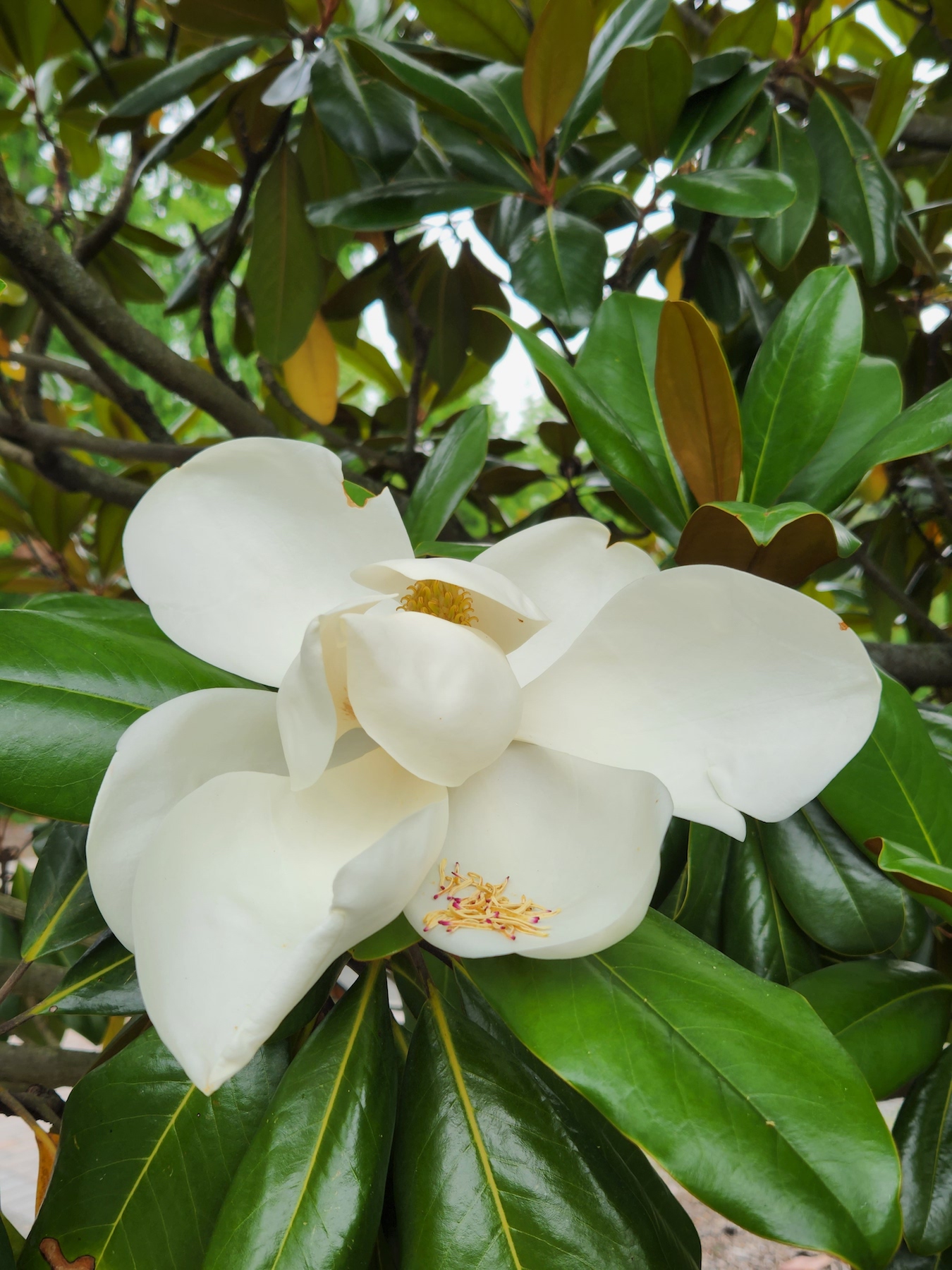
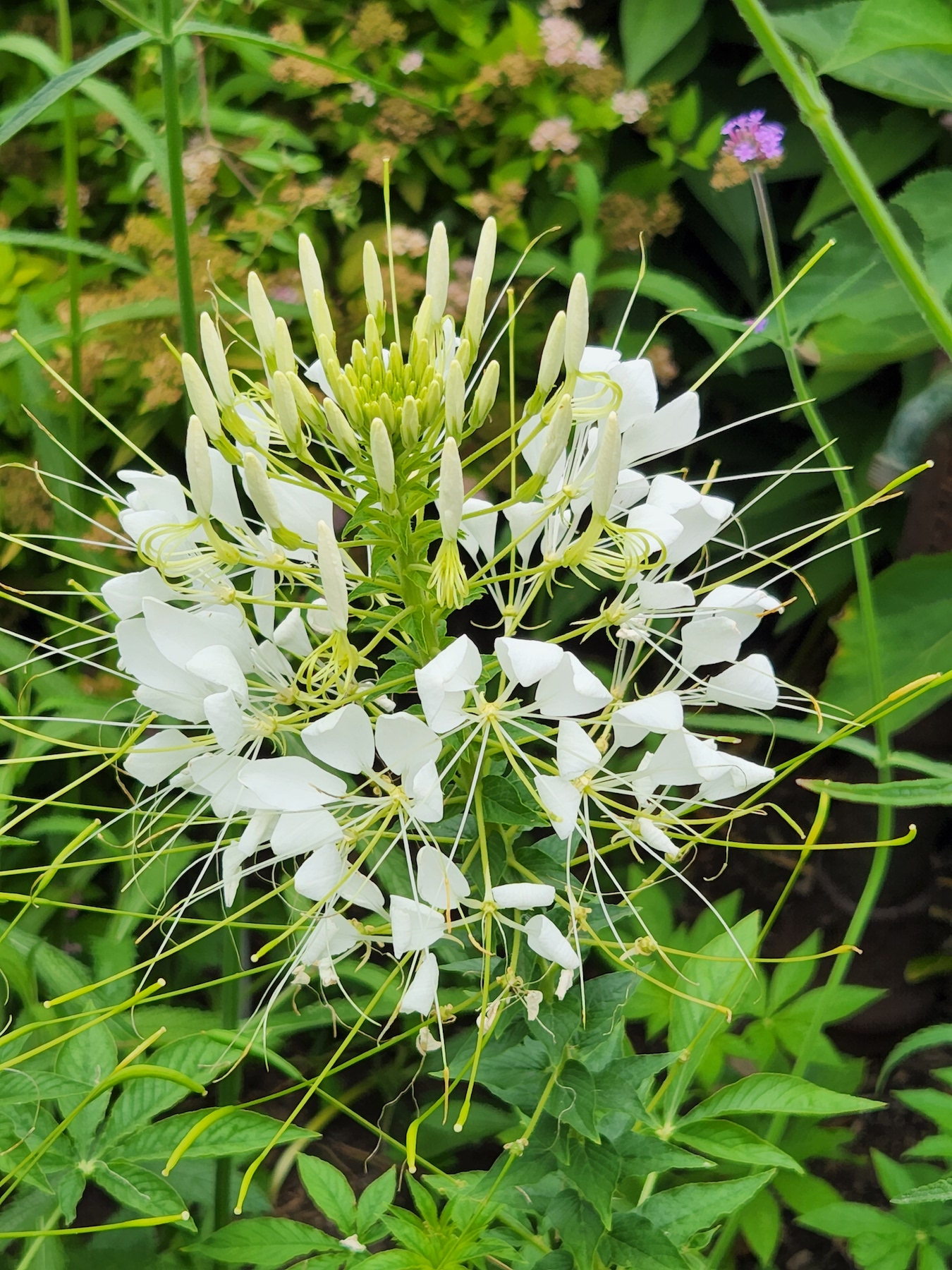
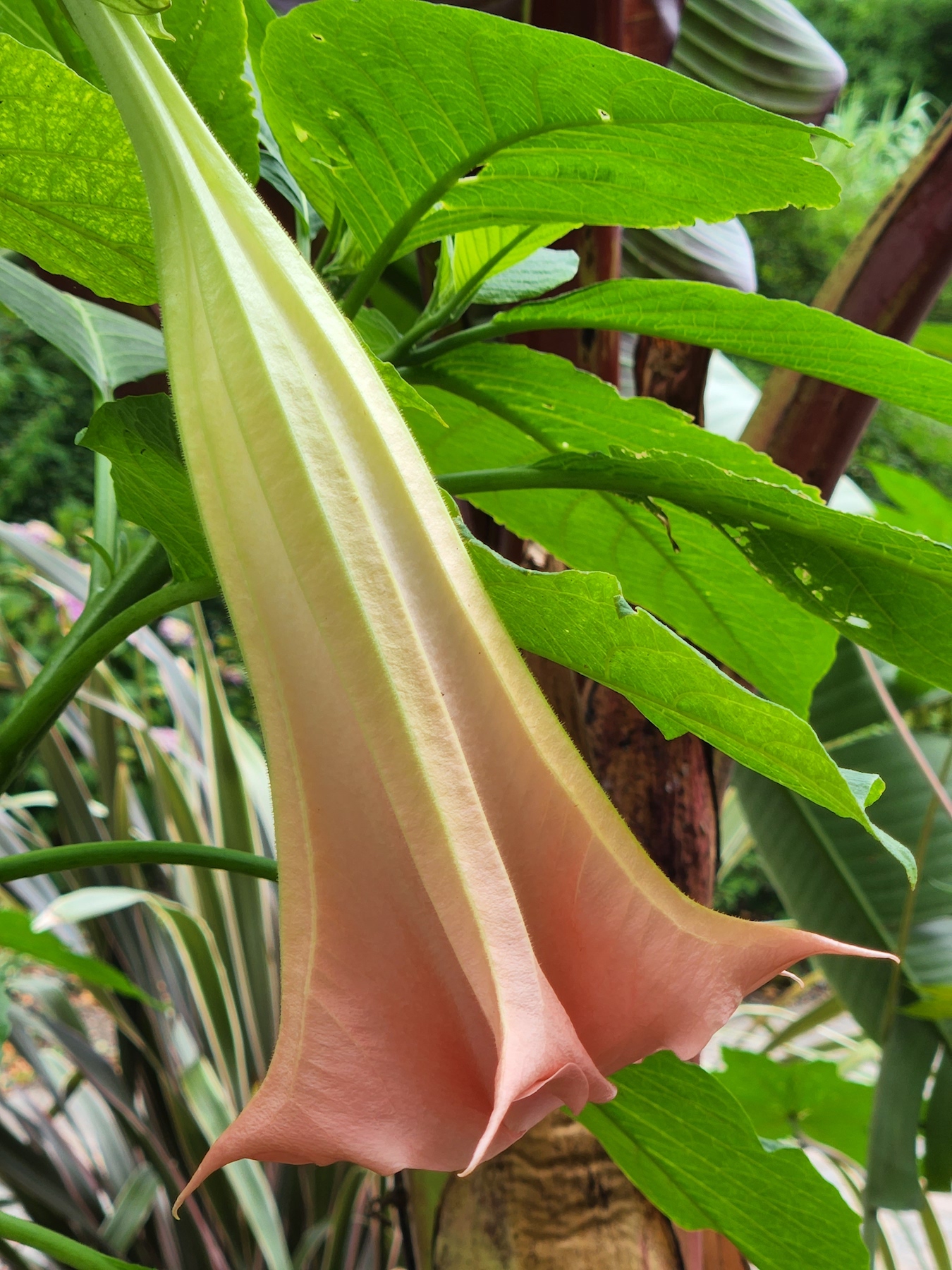
White and pale orange captured my attention today as I strolled through the various gardens at the Arboretum. A huge, very fragrant flower on the Magnolia grandiflora cv. Edith Bogue (Southern Magnolia Cultivar), the large trumpet shaped flower on a Brugmansia (Angel’s Trumpet), the spidery white flower on the annual Cleome hassleriana (Spider Flower) and the light orange flower on the Campsis radicans (Trumpet Creeper Vine) climbing over the arbor leading into the Haggerty Education Center. Plan to visit soon!
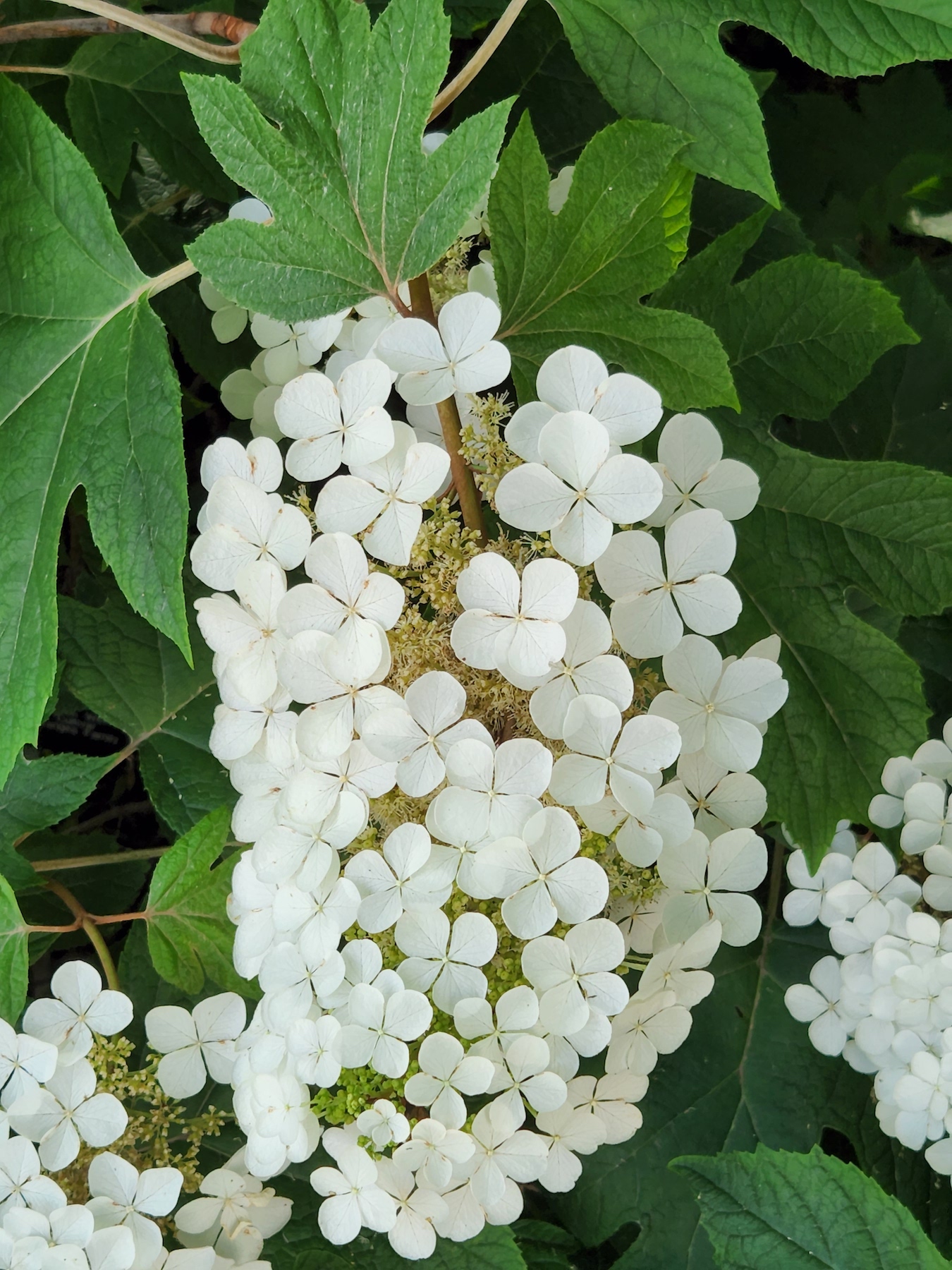
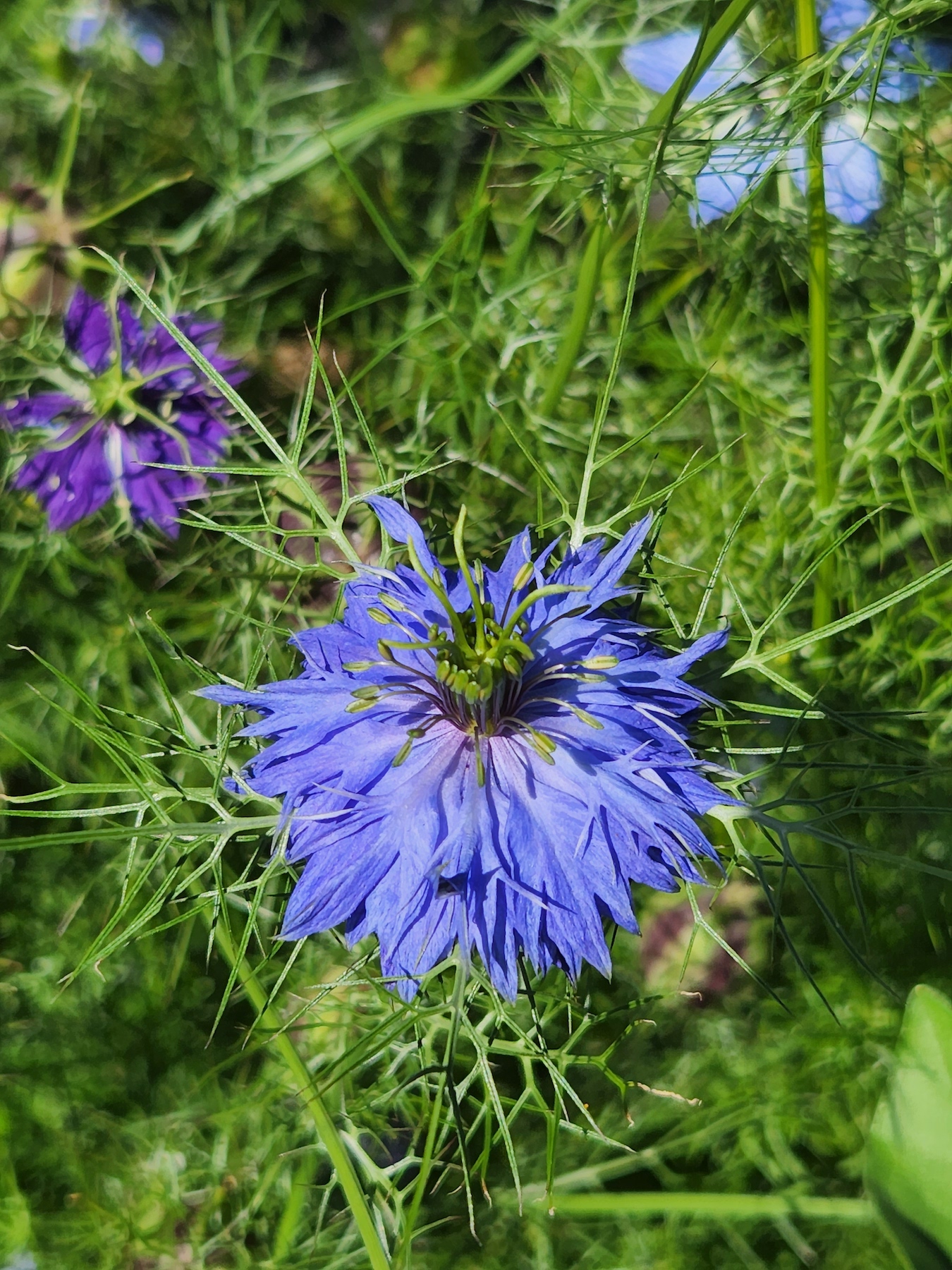
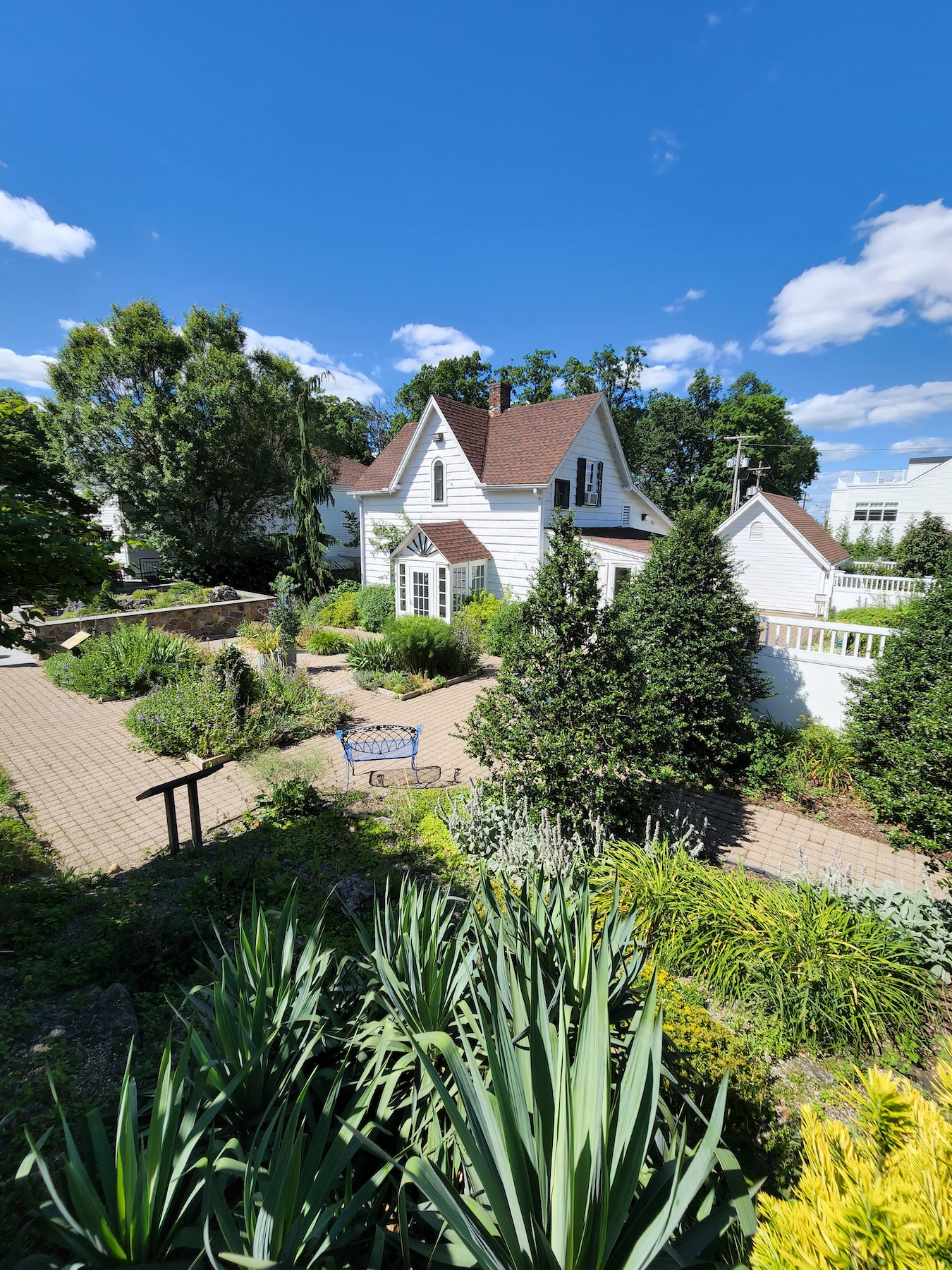
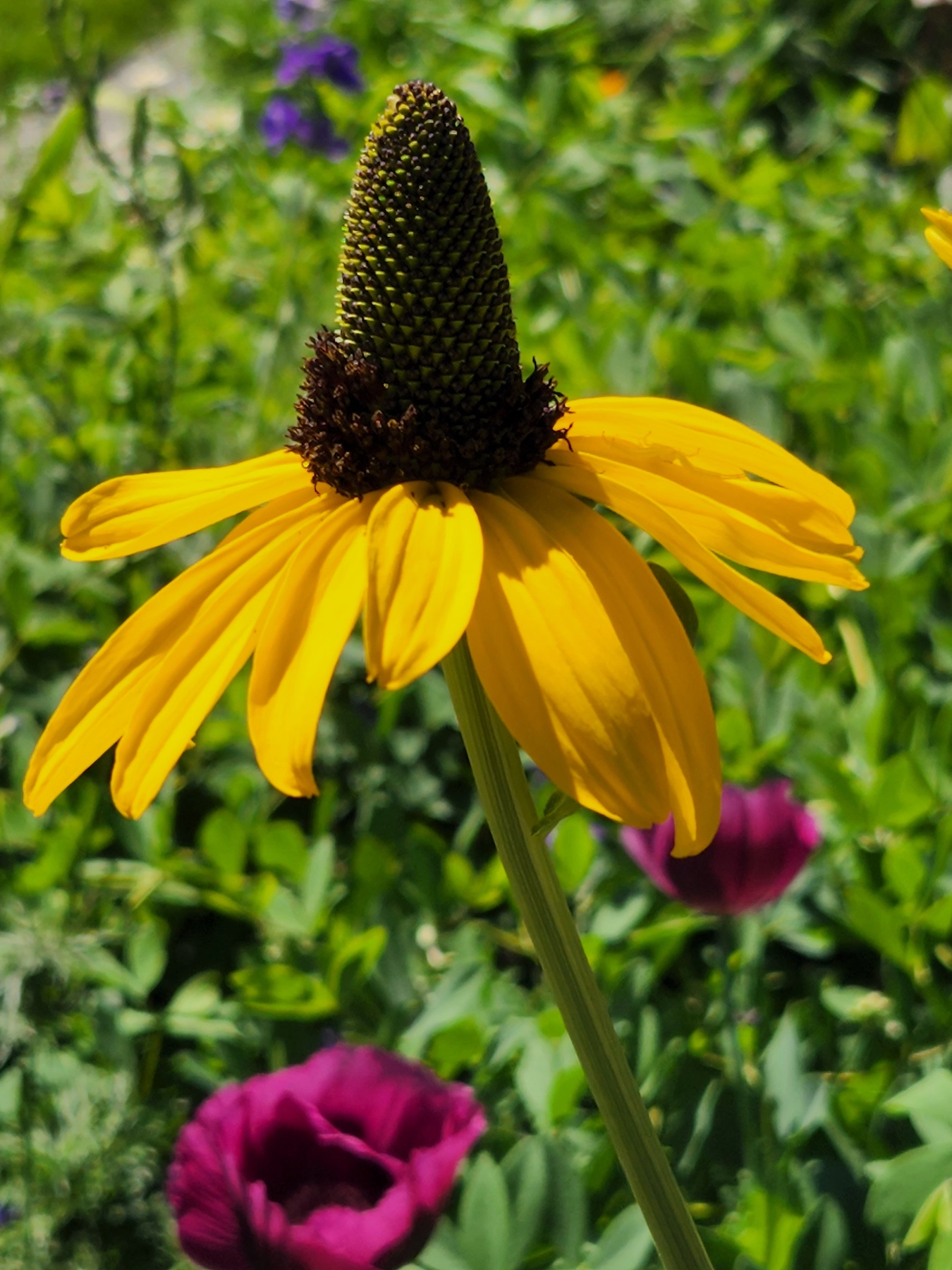
A gorgeous warm, sunny day with clear blue skies and abundant white fluffy clouds floating overhead. The cottage next to the Haggerty Education Center is surrounded by many different plants and flowers. Some of the flowers blooming today: a lacy, light blue Nigella damascena (Love-in-a-Mist), an Oakleaf Hydrangea, a spike of Stachys cv. Summer Romance (Betony) being visited by a pollen covered bee, and a bright yellow Coneflower (Echinacea).